
Bad breath, called halitosis, is common and often temporary. Persistent bad breath, though, can point to something that deserves attention.
Most bad breath starts in the mouth
For most people, the cause is bacteria in the mouth. They break down food and dead cells and release smelly sulfur compounds. The back of the tongue is a common source.
Other causes in the mouth include:
- Gum disease, which can cause a persistent bad taste and odor. See gum disease treatment.
- Cavities and broken fillings that trap food and bacteria
- Dry mouth, because saliva normally cleans the mouth. Read about saliva and dry mouth.
- Dentures that are not cleaned well
- Tobacco
Foods and habits
Garlic, onions, coffee and alcohol can affect your breath for hours. Skipping meals can also cause a morning-breath-like odor. These effects are temporary.
When it may be related to health
Sometimes persistent bad breath is connected to conditions outside the mouth, such as sinus or throat infections, tonsil problems, acid reflux, or certain medical conditions. This is not common compared to causes in the mouth, but if your dentist does not find a dental cause, they may suggest you talk with your doctor.
What you can do
- Brush twice a day and clean between your teeth daily
- Gently brush or scrape your tongue
- Drink water, and chew sugar-free gum if your mouth is dry
- Clean dentures and other appliances every day
- Avoid tobacco
- Keep your regular cleanings and exams
Mouthwash can hide odor for a short time, but it does not solve the cause. If you use one, choose an alcohol-free product if your mouth is dry.
When to see your dentist
- Bad breath that lasts for more than a couple of weeks despite good care
- A bad taste, bleeding gums or loose teeth
- Pain or swelling in the mouth
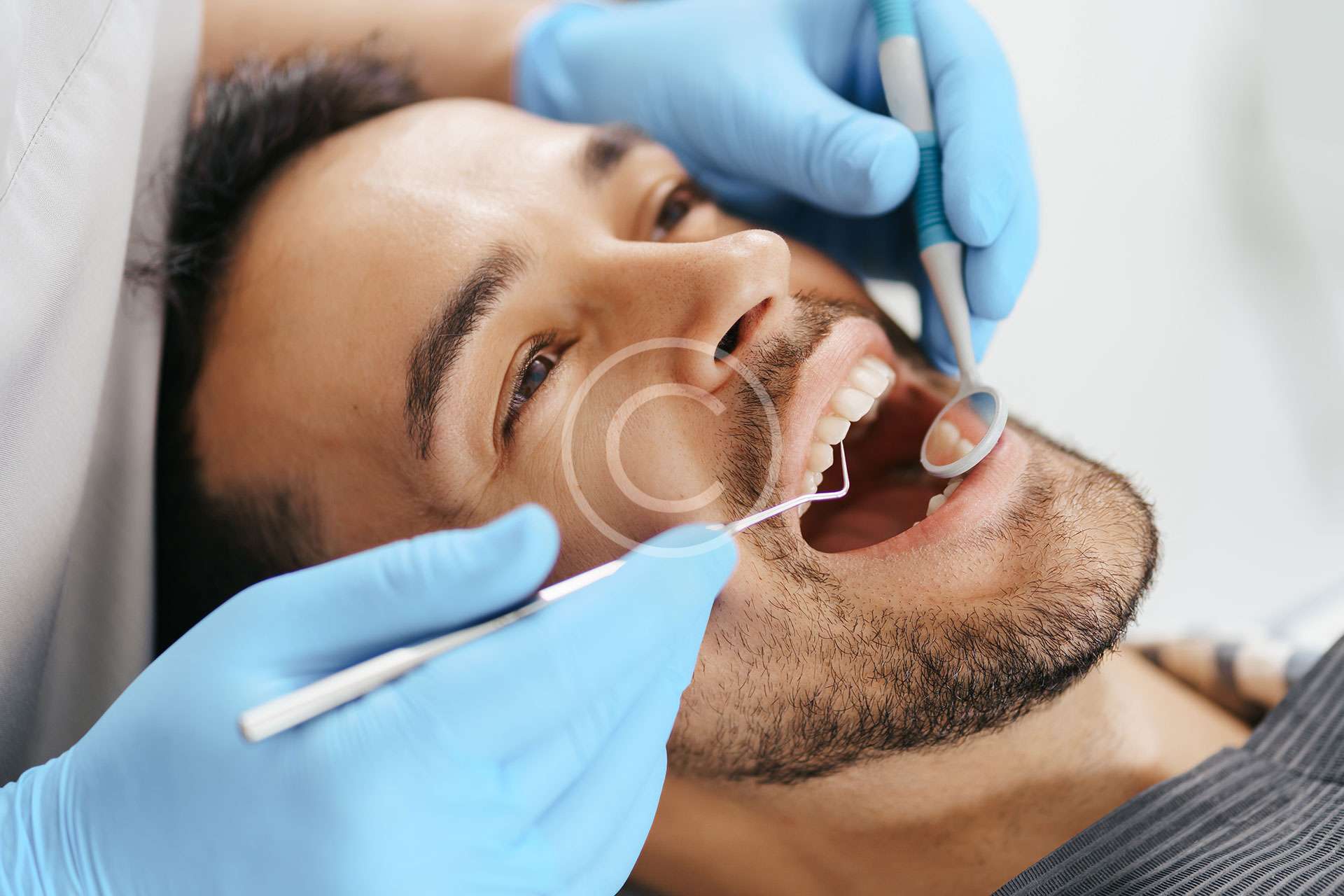
Your dentist can look for the cause and treat it.
Start with a checkup
A professional cleaning and exam can find problems that cause odor. Learn what to expect on our cleaning and exam page, or read bleeding gums and gum disease.
This article is general information and does not replace an exam or personal advice from your dentist.
Have questions about your own teeth? Request an appointment or call (747) 339-7016.