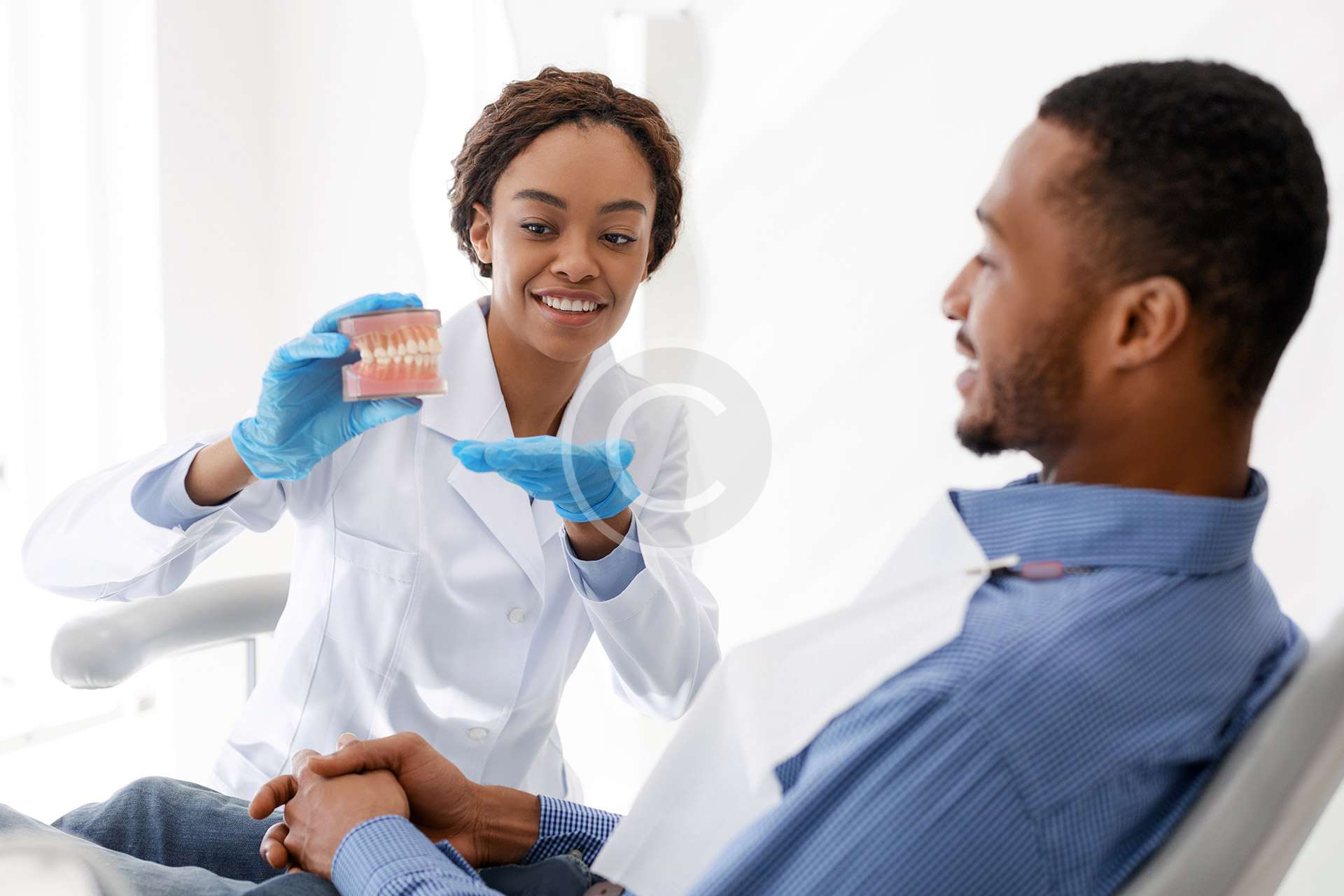


It is easy to think of dental care as being about appearance. In fact your mouth is part of your body, and its health affects how you eat, speak, sleep and feel.
1. Comfort and function
Tooth pain, sensitivity and infection can make eating difficult and disrupt sleep and concentration. Healthy teeth let you chew a wide variety of foods, which supports good nutrition.
2. Gum disease is common, and often painless
Many adults have some degree of gum disease, and in its early stages it may cause only bleeding when you brush. Left untreated, it can damage the bone that supports your teeth. Read what causes bleeding gums and learn about our gum disease treatment.
3. Tooth loss affects more than appearance
Missing teeth can make chewing and speaking harder. Over time the jawbone under a missing tooth can shrink, and nearby teeth can shift. See what happens when you wait to replace a missing tooth.
4. The mouth and the body are connected
Research has found associations between gum disease and conditions such as diabetes and heart disease. This does not mean that gum disease causes these conditions, but it is one reason healthcare providers encourage good oral health. Our article on gum health, diabetes and heart health explains the connection.
5. Early treatment is simpler
A small cavity is easier to treat than a large one, and early gum disease is easier to manage than advanced gum disease. Regular exams and X-rays help find problems before they cause pain.
6. Confidence
Healthy, comfortable teeth help many people feel more at ease when they smile and speak. Cosmetic treatments are also available if you want to change how your teeth look. See cosmetic dentistry.
7. Children build lifelong habits
Early dental visits and good habits at home help children learn that dental care is routine, not scary. See kids dentistry.
Small steps that help
- Brush twice a day with fluoride toothpaste
- Clean between your teeth daily
- Limit sugary snacks and drinks
- Avoid tobacco
- Keep regular checkups
If it has been a while since your last visit, there is no need to feel embarrassed. Read what to bring to your first visit and when you are ready, request an appointment.
This article is general information and does not replace an exam or personal advice from your dentist.
Have questions about your own teeth? Request an appointment or call (747) 339-7016.