
"How long will my veneers actually last?" is one of those questions where patients want a single clean number, and I understand why. But the honest answer is that it depends on a handful of real factors, not a fixed expiration date. Let me walk you through what actually determines how long veneers hold up.
The General Range You'll Hear
Porcelain veneers are generally considered a longer-term cosmetic option, with many patients getting well over a decade of use from them when properly cared for. That said, this is a general range, not a guarantee, since individual results depend on daily habits, oral hygiene, and how well the underlying teeth and gums are maintained over time.
What Actually Affects Longevity
A few factors make a real difference in how long veneers last for any given patient:
- Oral hygiene habits. Consistent brushing and flossing protect both the veneer and the natural tooth structure underneath it.
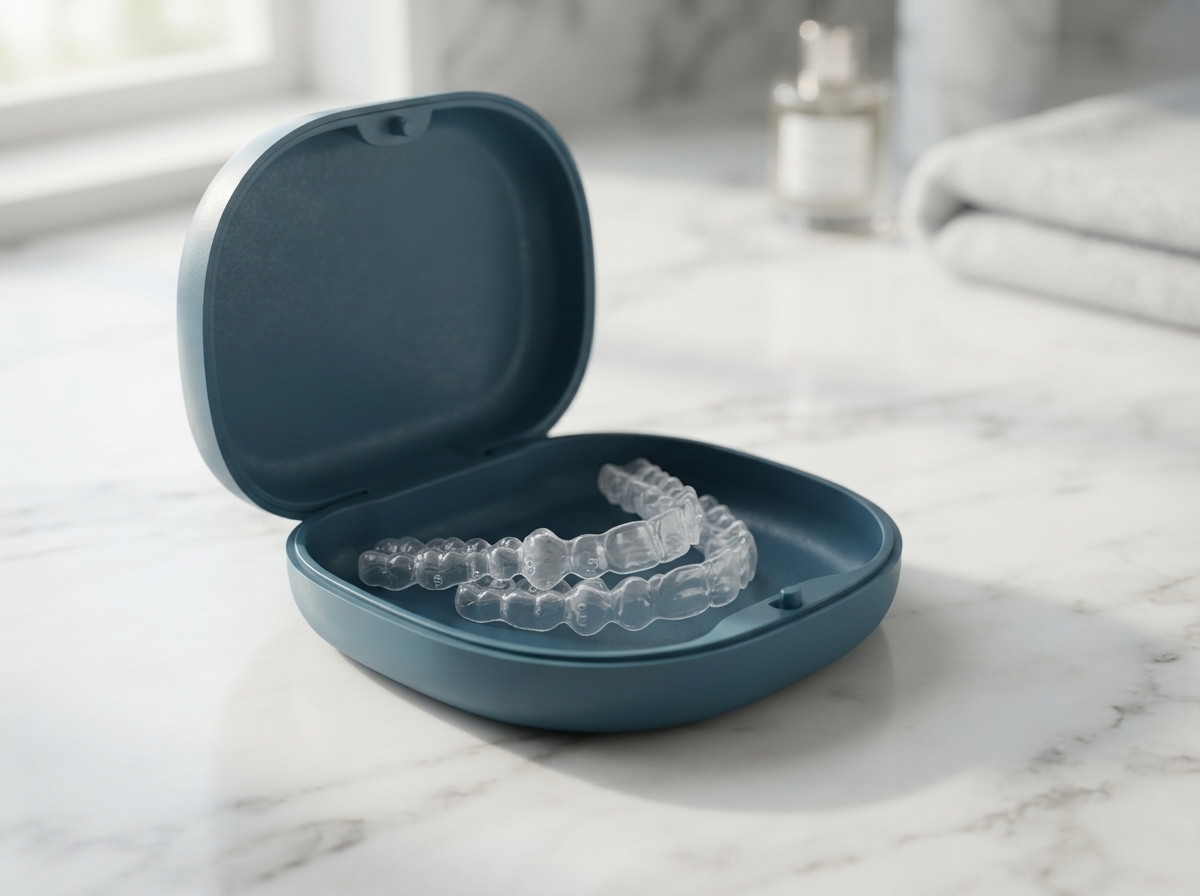
- Teeth grinding or clenching. This can put excess pressure on veneers over time. If grinding is a concern, a night guard may be worth discussing.
- Diet and habits. Biting into extremely hard foods, chewing ice, or using teeth as tools can chip or damage veneers.
- Regular dental checkups. Routine visits allow your dental team to catch small issues before they become bigger problems.
What Wear and Tear Actually Looks Like
Veneers do not typically fail suddenly out of nowhere. More often, patients notice small changes over the years, slight edge wear, a minor shift in how the veneer fits with the gum line, or the natural tooth underneath changing slightly with age. This is exactly why regular dental visits matter even after veneers are placed, small adjustments are far easier to manage early.
Can Veneers Be Replaced Down the Road?
Yes. When veneers do eventually need replacement, the process is generally similar to the original treatment. This is a normal part of long-term cosmetic dental care, not a sign that anything went wrong originally.
How to Actually Extend the Life of Your Veneers
The single biggest thing patients can control is consistency, showing up for regular checkups, maintaining good oral hygiene, and being mindful of habits like grinding or using teeth on hard objects. Veneers are an investment, and treating them that way pays off over the years.
Frequently Asked Questions
Do veneers need to be replaced on a set schedule?
No fixed schedule applies to every patient. Replacement is based on individual wear and condition, which your dental team will monitor during regular visits.
Can grinding my teeth at night really damage veneers?
Yes, ongoing pressure from grinding can affect veneers over time. If this is a concern, ask your dental team about protective options like a night guard.
Will my veneers change color over time?
Porcelain veneers are generally resistant to staining, though the natural teeth around them can change slightly, which is worth monitoring at regular checkups.
What should I do if I notice a chip or change in my veneer?
Contact your dental team promptly rather than waiting, since early evaluation typically leads to simpler solutions.
Protecting Your Investment Long Term
Veneers can be a durable, long-lasting cosmetic option, but like most things worth having, they hold up best with consistent care and attention over the years.
Have questions about veneers or how to care for them? Schedule a consultation with our North Hollywood team today.