
Patients ask me this constantly: "What's actually the difference between implants, bridges, and dentures, and how do I know which one is right for me?" It is a fair question, and honestly, the answer depends less on which option is objectively "best" and more on your specific mouth, lifestyle, and goals. Let me break it down the way I would in an actual consultation.
Dental Implants: The Long-Term Standalone Option
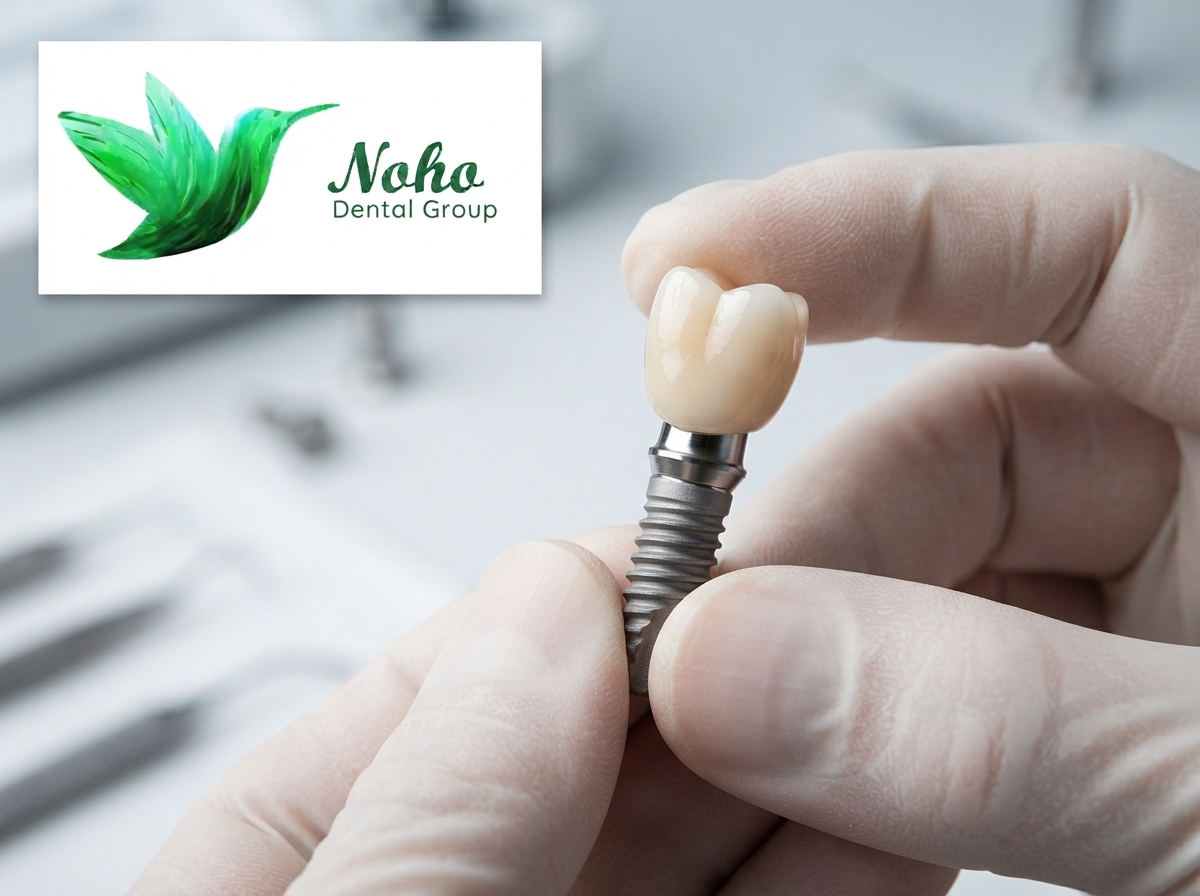
Dental implants replace both the root and the visible part of a missing tooth. A titanium post is placed in the jawbone, and a custom crown is attached on top. Because they stand independently, implants do not rely on neighboring teeth for support, which is one of the biggest differences compared to a bridge.
Implants tend to appeal to patients who want a solution that functions and feels closest to a natural tooth, and who are comfortable with a process that typically takes a few months from start to finish, since the implant needs time to properly integrate with the bone.
Dental Bridges: A Faster, Tooth-Supported Option
A bridge fills the gap using the teeth on either side as anchors, essentially "bridging" the space with a false tooth in between. Bridges are generally quicker to complete than implants and do not require a surgical procedure, which appeals to some patients.
The tradeoff is that a bridge relies on the health and strength of the surrounding teeth, and it does not address any bone loss happening underneath the missing tooth's original location, since nothing is placed into the jawbone itself.
Dentures: A Broader Solution for Multiple Missing Teeth
Dentures are typically considered when a patient is missing several or all of their teeth, rather than just one. They are removable and rest on the gums, offering a non-surgical way to restore a fuller smile and basic chewing function. Fit and comfort can vary from patient to patient, and some individuals eventually explore implant-supported options to improve stability.
So Which One Is Actually Right for You?
Here is the honest truth: it depends on how many teeth you are replacing, the health of your gums and jawbone, your budget, and frankly, your own preferences about surgery versus a non-surgical route. There is no universally "correct" answer, only the option that fits your specific situation best after a real evaluation.
Frequently Asked Questions
Which option lasts the longest?
Implants are generally designed for long-term use, though longevity for any option depends on individual oral health, hygiene, and regular dental care.
Is one option significantly more expensive than the others?
Costs vary depending on your specific case, number of teeth involved, and any additional procedures needed. This is best discussed directly during a consultation.
Can I switch from a bridge or denture to implants later?
In many cases, yes, though it depends on your current oral health and bone condition at that point. It is worth discussing during an evaluation.
Do I need to decide today which option I want?
Not at all. Our job during a consultation is to walk through the pros and considerations of each so you can make a decision you feel confident about, on your own timeline.
Let's Figure Out Your Best Fit
None of these options is one-size-fits-all, and the right choice really does come down to your specific mouth and goals. The fastest way to get clarity is a real conversation, not more time spent guessing online.
Not sure which tooth replacement option is right for you? Schedule a consultation with our North Hollywood team and let's figure it out together.