
"You may need a bone graft." For many people, those words sound alarming, and they often come right in the middle of a conversation about dental implants. It helps to remember that bone grafting is a common, well-established part of implant dentistry, not a sign that something has gone wrong. Here is a plain-English explanation of what a bone graft for dental implants is, why it might be recommended and what it involves.
Why Implants Need Bone
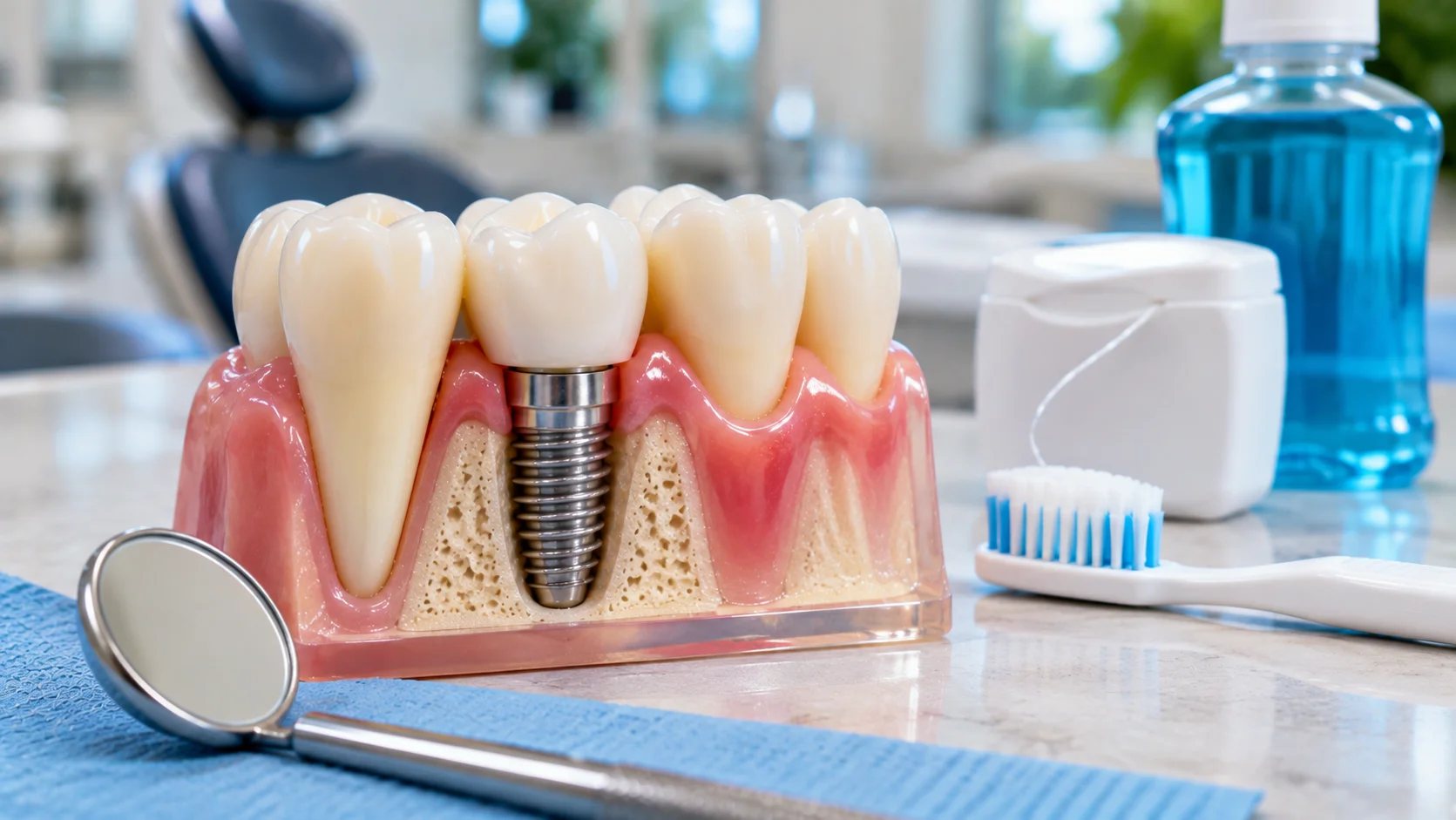
A dental implant is a small post placed in your jawbone, where it acts like the root of a tooth. For it to work well, it needs enough healthy bone around it, in both height and width. Think of planting a fence post. If the soil around it is thin or crumbly, the post will not be stable.
Why Bone Gets Lost
Bone in your jaw stays strong partly because your teeth stimulate it when you chew. When a tooth is lost, the bone in that area can slowly shrink. Other causes include:
- Gum disease that has damaged the supporting bone
- An infection or injury
- Wearing a denture for many years
- Natural changes over time
The longer a tooth has been missing, the more bone loss there may be, though every person is different.
What a Bone Graft Does
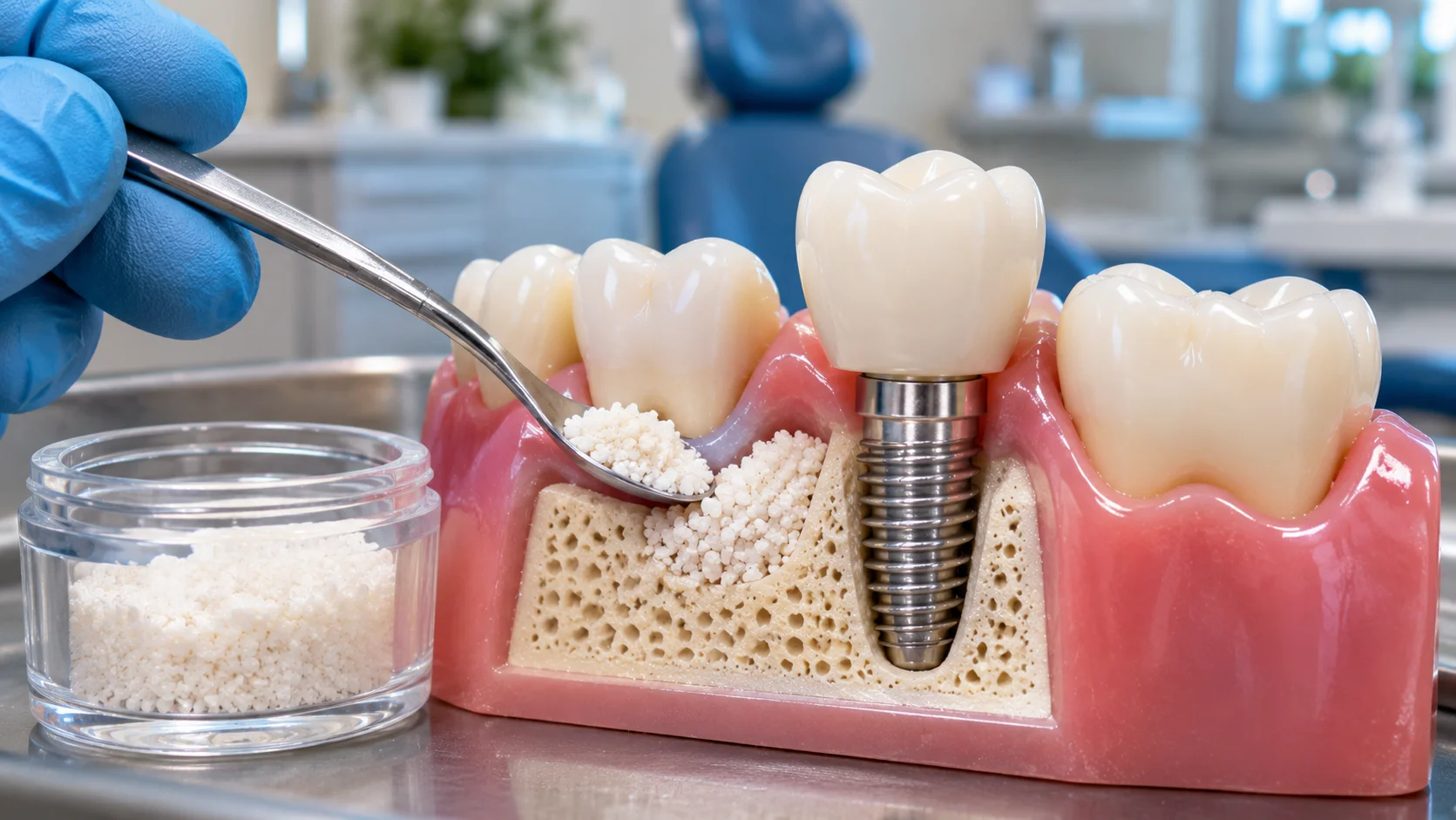
A bone graft adds material to the area so your body can build new bone there. Over time, the graft integrates with your own bone, creating a stronger base for an implant. Graft material may come from different sources, including your own bone, donated human bone or synthetic substitutes. Your dentist will explain which is appropriate for you and why.
Types of Bone Grafting You Might Hear About
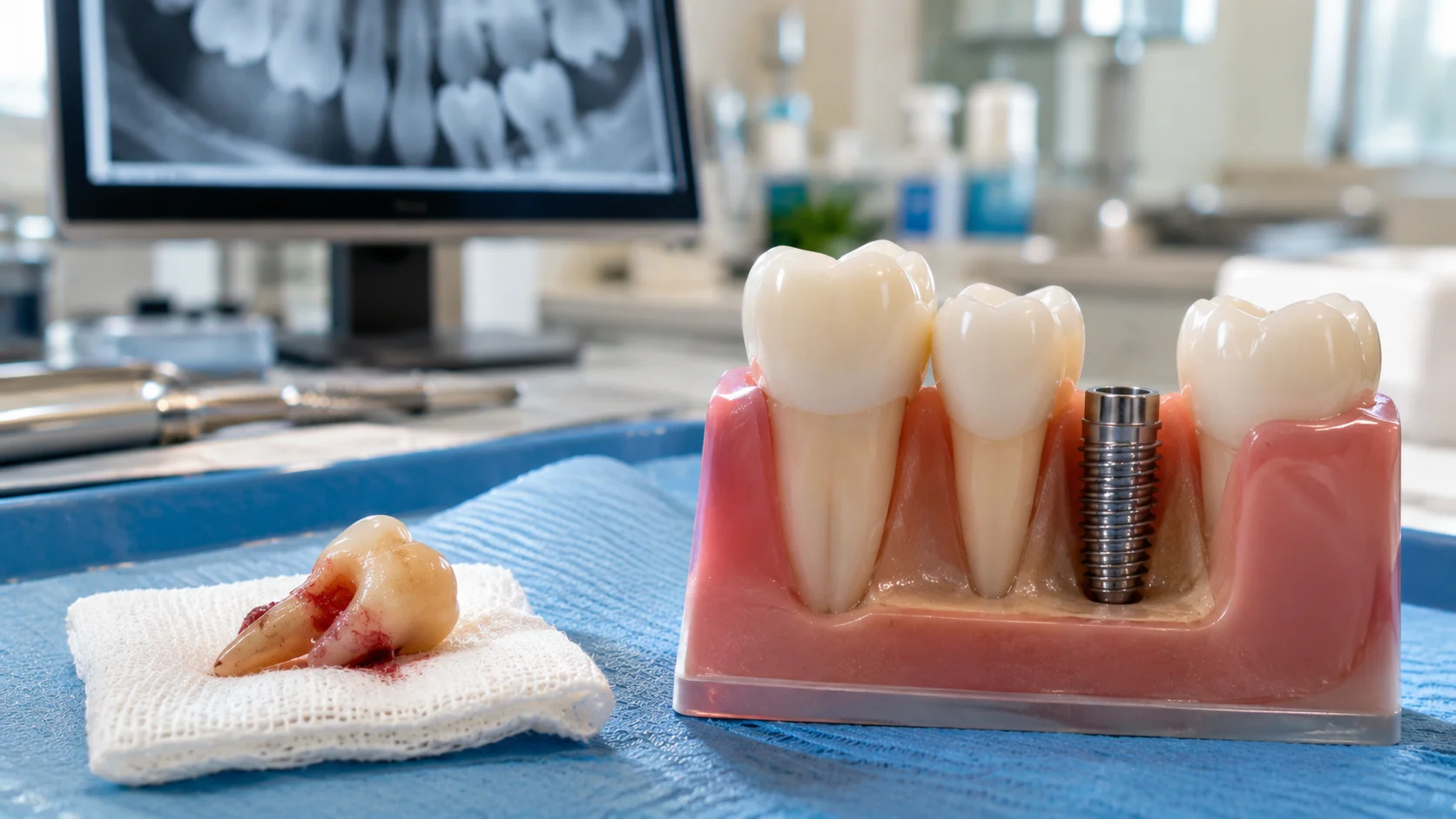
- Socket preservation: placed right after a tooth is removed to help maintain the bone. See our guide to tooth extraction before a dental implant.
- Ridge augmentation: rebuilds the width or height of the jawbone where it has narrowed.
- Sinus lift: raises the sinus floor in the upper back jaw to make room for an implant.
Who Might Need One?
Not everyone does. Many people have enough bone for an implant without any grafting. We use an exam and imaging to look at the bone, so we are not guessing. If you have been missing a tooth for years or have a history of gum disease, a graft is more likely to come up in conversation.
What the Procedure Is Like
Bone grafting is done with numbing, and many patients describe the experience as manageable. The area is prepared, the material is placed, and the gum is closed over it. Some soreness and swelling are common afterward. Your dentist will give you instructions for the days that follow.
How Long Does Healing Take?
The graft needs time to blend with your natural bone, and that varies. It can range from a few months to longer depending on the type of graft and the area. Your dentist will check your progress before placing the implant. Sometimes the graft and implant can be placed at the same visit, and in other cases they are separate steps. We will explain which plan applies to you.
Why Gum Health Matters Here Too
A graft is more likely to do well in a healthy mouth. If you have active gum disease, we usually treat it first. That is covered in why gum health comes first with dental implants.
Does It Change the Cost and Timeline?
Yes, it can add time and cost to the plan, which is why we talk about it early. Our article on what affects dental implant cost explains how these pieces fit together.
Tips for a Smoother Recovery
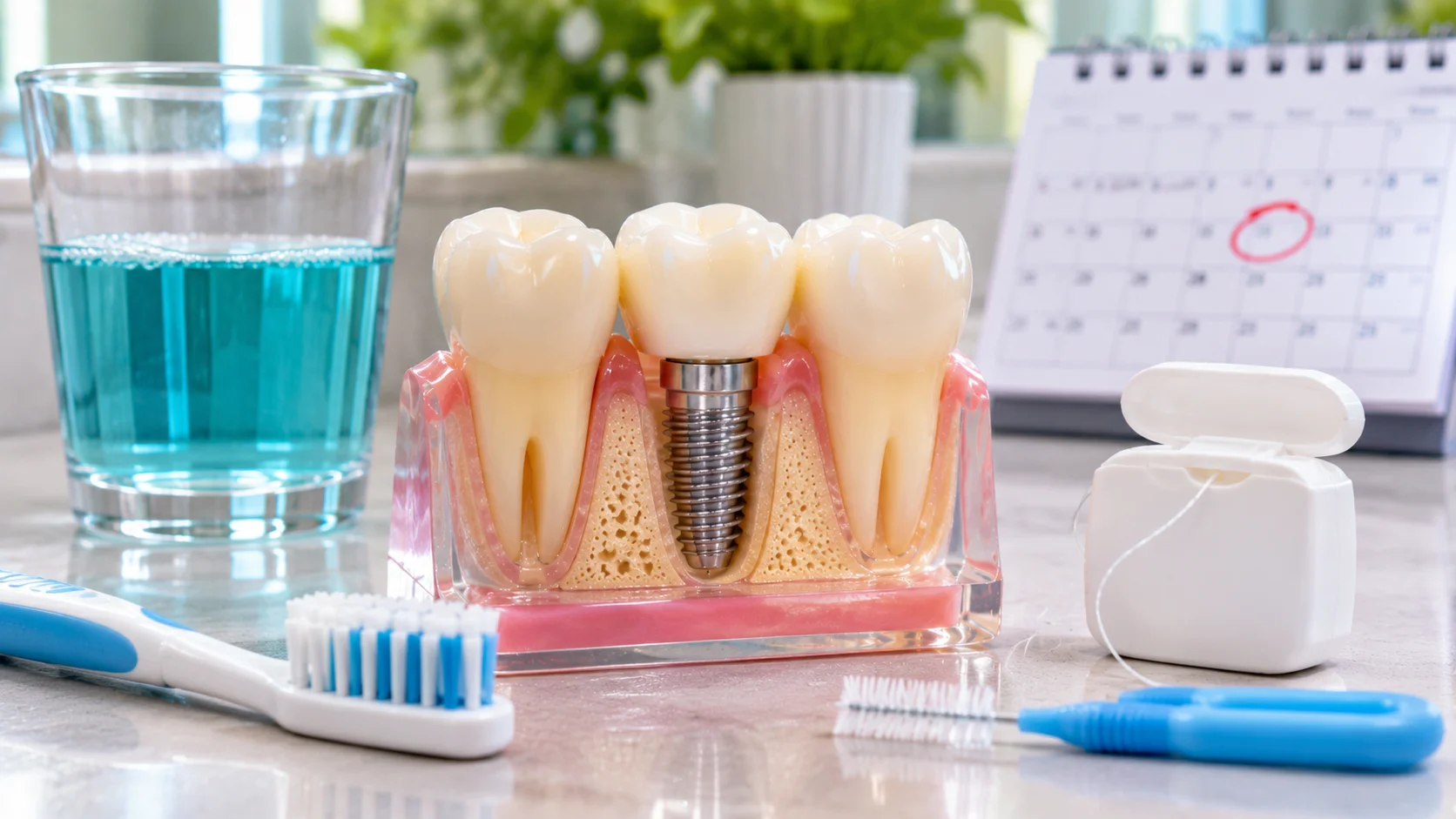
If you have a graft, follow your dentist's instructions closely. Stick to soft foods for the recommended time, avoid smoking, keep the area clean as directed and attend follow-up visits so we can monitor healing. Rest and plenty of water help, too. Gentle care in the first couple of weeks matters more than almost anything else. Call us if you notice increasing pain, swelling or anything that does not feel right.
Frequently Asked Questions
Is a bone graft painful?
You are numbed during the procedure. Afterward, soreness is common and usually manageable. Follow your dentist's instructions, and call if pain is severe or worsening.
Can I get implants without a graft?
Many people can. It depends on how much healthy bone you have.
Will the graft always work?
No procedure comes with a guarantee. Success depends on factors including your health, habits and aftercare, which is why we monitor healing.
Find Out What Your Bone Needs
The only way to know whether you need a graft is an exam with imaging. Patients from North Hollywood, Sun Valley and Van Nuys are welcome to come in. Our dental implants page outlines what we offer.
NOHO Dental Group
11126 Chandler Blvd, North Hollywood, CA 91601
Phone: (747) 339-7016
View our location on Google Maps
Request an appointment online