
A dental implant replaces the root of a missing tooth, but the gum and bone around it still need the same care as your natural teeth. Good habits help protect the area for the long term.
Clean your implant every day
An implant crown cannot decay, but the gum tissue around it can become inflamed when plaque builds up. Brush twice a day with a soft-bristled toothbrush and a non-abrasive toothpaste, and spend extra time where the crown meets the gum.
Clean between your teeth once a day. Floss designed for implants, interdental brushes or a water flosser can all work. Ask your dentist or hygienist which tool and technique fit the shape of your implant.
Keep your regular cleanings and exams
Implants are checked at routine visits. Your dentist examines the gums, measures the tissue around the implant when needed, and may take X-rays to look at the bone. Professional cleanings use instruments made for implants so the surface is not scratched. Our guide to implant maintenance explains what to expect at these visits.
Protect the implant from habits that cause harm
- Smoking and tobacco can slow healing and raise the risk of gum problems around implants.
- Teeth grinding puts extra force on the crown and the implant. If you grind at night, ask about a night guard.
- Hard objects such as ice, pen caps or fingernails can chip or loosen a crown.
- Skipping gum treatment matters, because gum disease can affect the bone that holds the implant.
Know the warning signs
Call your dentist if you notice any of these around an implant:
- Bleeding, redness or swelling of the gums
- A bad taste or pus near the implant
- Pain when you bite or chew
- A crown or implant that feels loose
- Gums that are pulling away from the crown
Gum inflammation around an implant, called peri-implant mucositis, is often reversible when it is found early. If it is left untreated it can progress to bone loss around the implant, which is harder to treat.
If you are still healing
The first weeks after surgery have their own rules about cleaning and eating. Follow the instructions you were given, and read how long recovery takes and what to eat after implant surgery.
Implant care at NoHo Dental Group
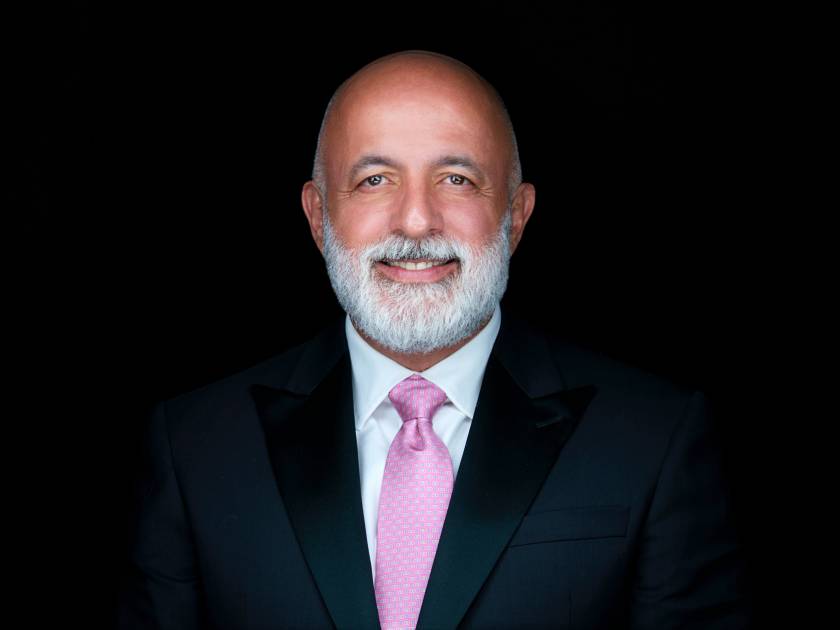
Dr. Bijan Afar, our periodontist and implant specialist, plans and places implants, and they are restored in the same office. You can learn about the process on our dental implants page, or about gum health on our gum disease treatment page.
This article is general information and does not replace an exam or personal advice from your dentist.
Have questions about your own teeth? Request an appointment or call (747) 339-7016.