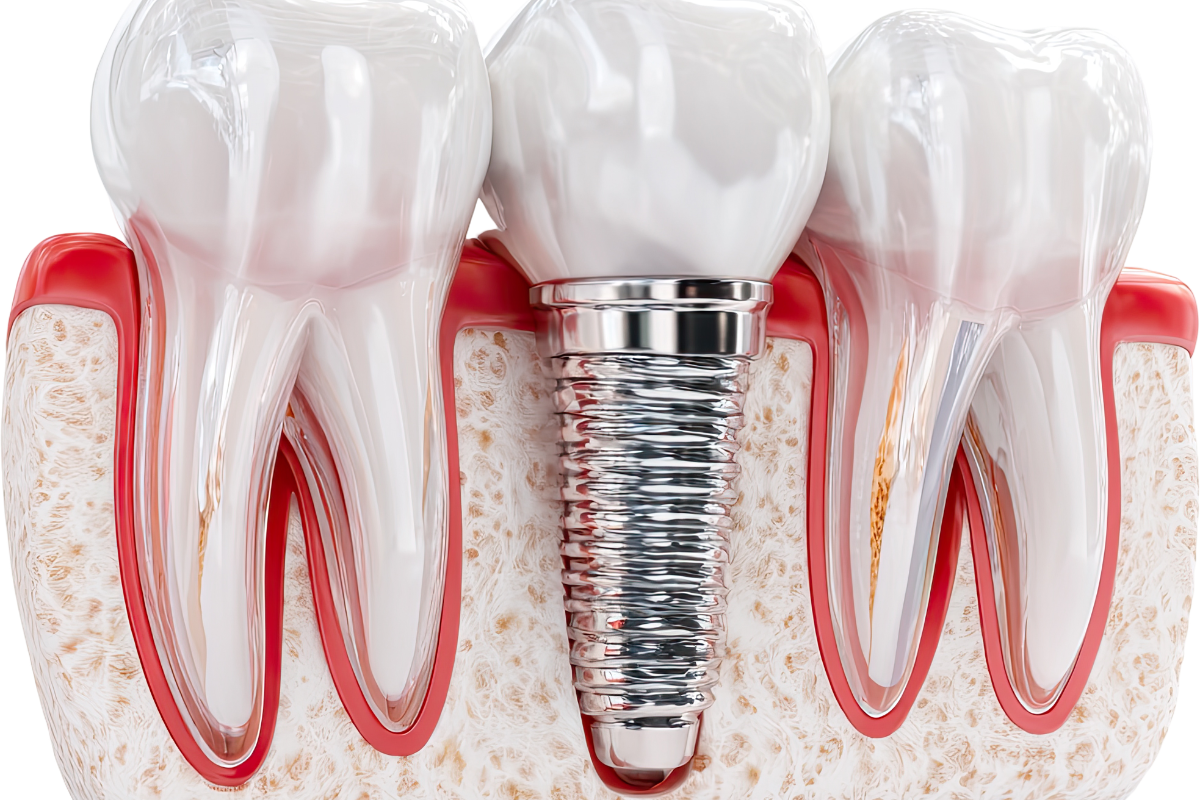
Deciding to replace missing teeth with dental implants is one of the most rewarding investments you can make for your health, confidence, and long-term quality of life. Implants look, feel, and function just like natural teeth, stopping jawbone loss and restoring complete bite strength. However, because implant placement involves a minor surgical procedure to anchor a biocompatible titanium post into the jawbone, prospective patients frequently ask: How long does recovery actually take, and what should I expect along the way? The short answer is that initial tissue healing happens remarkably fast—often within just a few days to a week. However, complete biological recovery involves a deeper process where the implant fuses with your natural jawbone over several months. If you are planning your treatment in North Hollywood, here are 5 essential facts you need to know about the recovery timeline before restoring your smile.
- Initial Soft Tissue Healing Takes Only 3 to 7 Days Many patients assume that getting a dental implant involves weeks of severe discomfort or missed work. In reality, modern implant surgery is precise, gentle, and minimally invasive. What to Expect During Week One:
- Days 1 to 3: You may experience mild swelling, slight bruising along the gumline, and minor soreness. This discomfort is typically mild and easily managed with over-the-counter pain relievers or prescribed medication.
- Days 4 to 7: Soft tissue (gum) healing progresses rapidly. Swelling subsides, soreness fades, and most patients comfortably return to their normal work and daily routines within 24 to 48 hours after the procedure.
- Sutures: If non-dissolvable sutures were used, your care team will remove them in a quick, painless follow-up visit about 7 to 10 days post-procedure.
- Biological Osseointegration Takes 3 to 6 Months While your gums will feel completely normal within a week or two, the most important phase of recovery takes place beneath the surface. This phase is called osseointegration—the biological process in which your living jawbone cells grow tightly into the surface of the titanium implant post. Why Bone Fusion Cannot Be Rushed: Osseointegration turns the titanium post into a permanent artificial tooth root capable of handling heavy chewing forces. Depending on your individual bone density, general health, and whether the implant was placed in the upper or lower jaw, this internal fusion takes between 3 to 6 months. During this healing window, you won't feel the biological fusion taking place—your mouth will feel completely comfortable as the implant securely bonds to your jaw.
- You Never Have to Go Without a Tooth During Recovery A common concern among patients—especially those replacing a front tooth—is walking around with a visible gap during the 3-to-6-month osseointegration period. Rest assured, you will never have to leave the office with an open space in your smile. Your clinical team will provide a temporary restoration (such as a temporary crown, flipper, or prosthetic bridge) to wear throughout the healing phase. This temporary tooth restores your appearance, protects the healing implant site, and allows you to speak and smile with total confidence while the internal bone integration finishes.
- Soft Diet Modifications Protect the Early Healing Phase To ensure your implant fuses successfully without disturbance, modifying your diet during the initial healing stages is critical. Experiencing heavy biting pressure on a newly placed implant before osseointegration is complete can shift the titanium post and interrupt healing. Recovery Nutrition Guidelines:
- First 24 to 48 Hours: Stick to cool, smooth foods like smoothies (no straws!), yogurt, applesauce, lukewarm soups, and ice cream.
- Weeks 1 to 2: Transition to soft foods that require minimal chewing, such as scrambled eggs, pasta, mashed potatoes, soft fish, and cooked vegetables.
- Foods to Avoid Initially: Steer clear of hard, crunchy, sticky, or tough foods (like nuts, chips, hard candy, and tough meats) directly over the implant site until your doctor clears you for normal chewing.
- Daily Oral Hygiene and Habits Directly Dictate Recovery Speed How well you care for your mouth during recovery plays a massive role in preventing complications like peri-implantitis (an inflammatory gum infection around the implant site). Essential Recovery Care Rules:
- Keep the Area Clean: Gently rinse with warm salt water starting 24 hours after surgery to keep the tissue clean and soothe inflammation. Brush surrounding teeth normally, taking extra care around the surgical site.
- Avoid Straws and Spitting: The suction created by drinking through a straw or spitting forcefully can dislodge the early blood clot, disrupting natural healing.
- Skip Tobacco and Smoking: Smoking or using tobacco significantly restricts blood flow to oral tissues, drastically slowing recovery and dramatically increasing the statistical risk of implant failure.
- Keep Routine Follow-Up Appointments: Brief check-in visits allow your doctor to evaluate gum tissue progress and confirm bone integration using low-radiation digital imaging before attaching your final custom crown. Real-World Everyday Scenarios: Managing Recovery with Ease
Scenario A: Returning to Work in North Hollywood
You schedule your implant placement for a Friday morning. Thanks to gentle numbing techniques and precise digital planning, your appointment goes smoothly. You rest over the weekend, manage minor soreness with over-the-counter medication, and comfortably return to your office routine in the NoHo Arts District on Monday morning feeling great.
Scenario B: Restoring a Front Tooth Comfortably
You need to replace a damaged front incisor, but worry about your appearance during client meetings. Your care team places the titanium post and immediately fits a custom temporary crown. You leave the office with a complete smile, follow a soft food diet for a couple of weeks, and transition seamlessly to your permanent porcelain crown once bone fusion is complete.
Frequently Asked Questions About Implant Recovery
Q1: Is dental implant recovery more painful than a tooth extraction? A: Most patients are pleasantly surprised to find that implant recovery involves noticeably less discomfort than a standard tooth extraction. Because an implant is placed into a precise, prepared bone without tearing surrounding tissue, post-procedure soreness is minimal and resolves quickly. Q2: When can I resume exercise and strenuous physical activity after implant surgery? A: It is best to avoid heavy exercise, heavy lifting, or intense cardio for the first 3 to 5 days after surgery. Elevated blood pressure from intense workouts can trigger throbbing or bleeding at the surgical site. Light walking is fine, and you can gradually return to your workout routine as you feel comfortable. Q3: What happens after the implant is fully healed in the jawbone? A: Once your doctor confirms complete osseointegration using digital imaging, a small connector piece called an abutment is placed on top of the implant. Your custom porcelain crown is then crafted and permanently secured onto the abutment, completing your permanent, natural-looking tooth replacement. Q4: Can age affect how long implant recovery takes? A: Age itself does not slow down osseointegration or healing! Healthy adults in their 70s or 80s recover just as quickly and successfully as young adults in their 20s. General systemic health, lifestyle habits, and maintaining good oral hygiene are far more important than age.
Experience Smooth, Gentle Implant Care at NoHo Dental Group
If you are considering replacing missing teeth with permanent dental implants, our compassionate multi-specialty team at NoHo Dental Group is here to guide you through every step of a smooth, stress-free recovery. Located centrally on Chandler Blvd, our modern practice serves families across North Hollywood, Valley Village, and Burbank with precision technology and personalized care. Why San Fernando Valley Residents Choose Us:
- Comprehensive Multi-Specialty Services: From foundational cleaning & exam visits, kids dentistry, and orthodontics to advanced root canal therapy, jaw pain & TMJ relief, sleep apnea appliances, custom tooth veneers, and permanent dental implants, we handle all your family's oral health needs under one roof.
- State-of-the-Art Digital Diagnostics: We utilize 3D intraoral optical scanners, low-radiation digital x-rays, and high-definition intraoral cameras to plan your implant placement with surgical precision, ensuring faster recovery times.
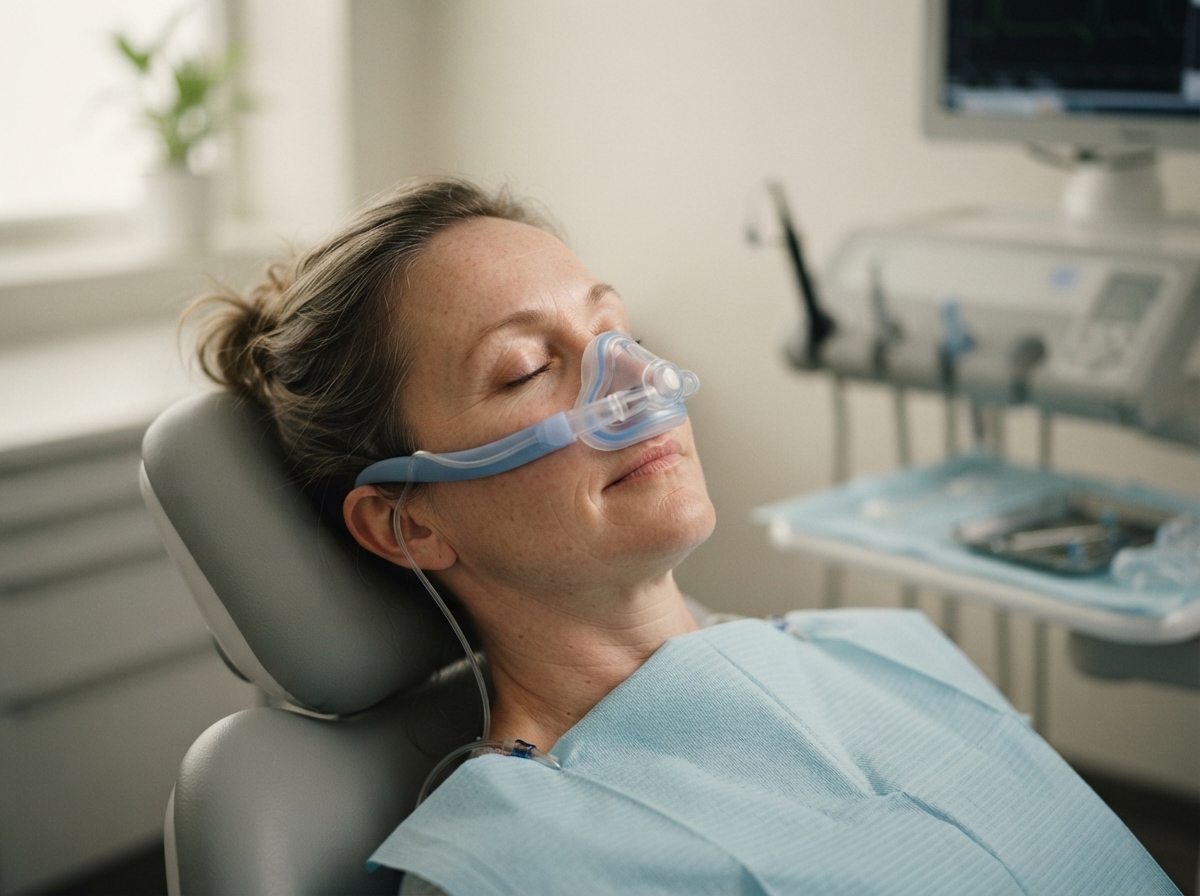
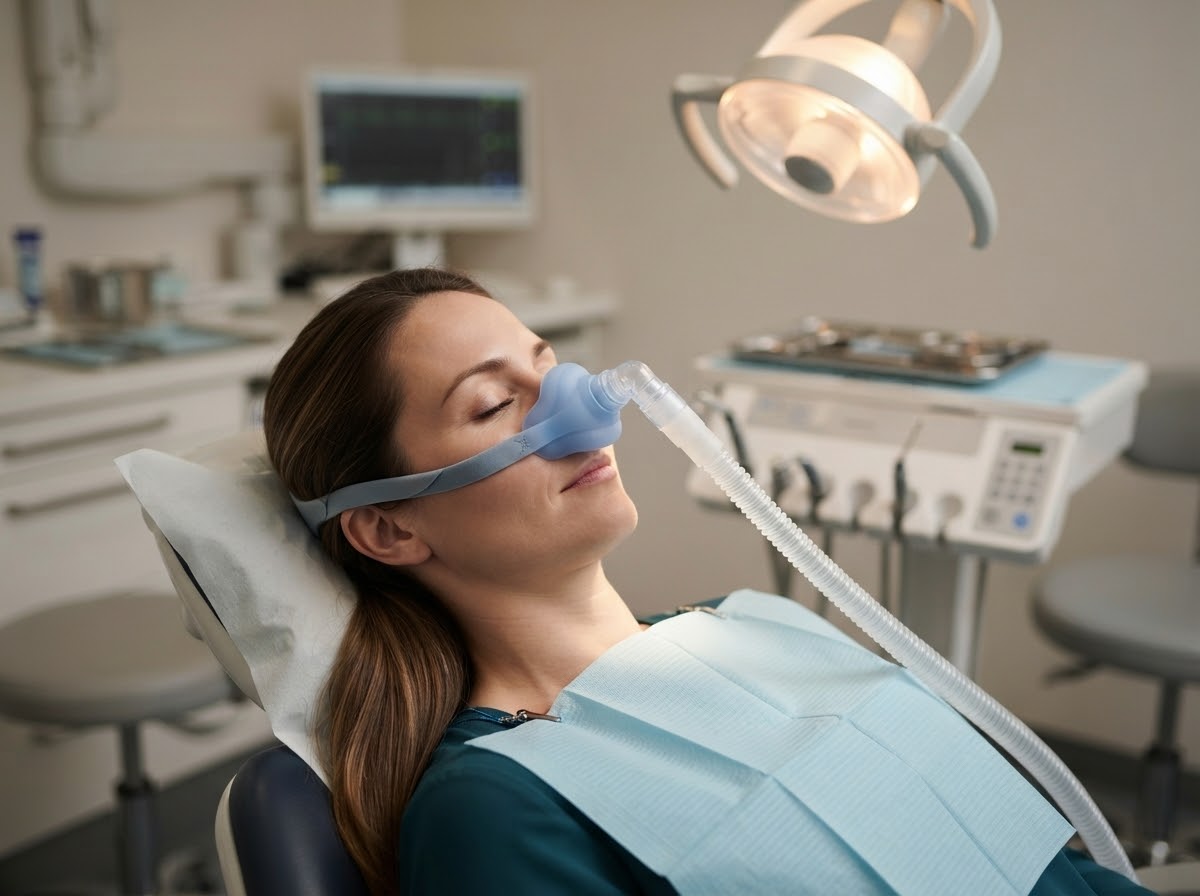
- Gentle, Stress-Free Atmosphere: We specialize in caring for nervous or anxious patients, offering gentle numbing techniques, clear communication, and a relaxing, judgment-free environment.
- Aesthetic & Restorative Excellence: Enhance your smile with clinical teeth whitening, clear aligner technology, or full cosmetic smile makeovers tailored to your natural facial proportions. Take the first step toward a complete, healthy smile. Contact our friendly North Hollywood team today to schedule your personalized implant consultation!
Contact Information
- Practice Name: NoHo Dental Group
- Phone Number: (747) 339-7016
- Address: 11126 Chandler Blvd, North Hollywood, CA 91601
- Website: nohodentalgroup.com