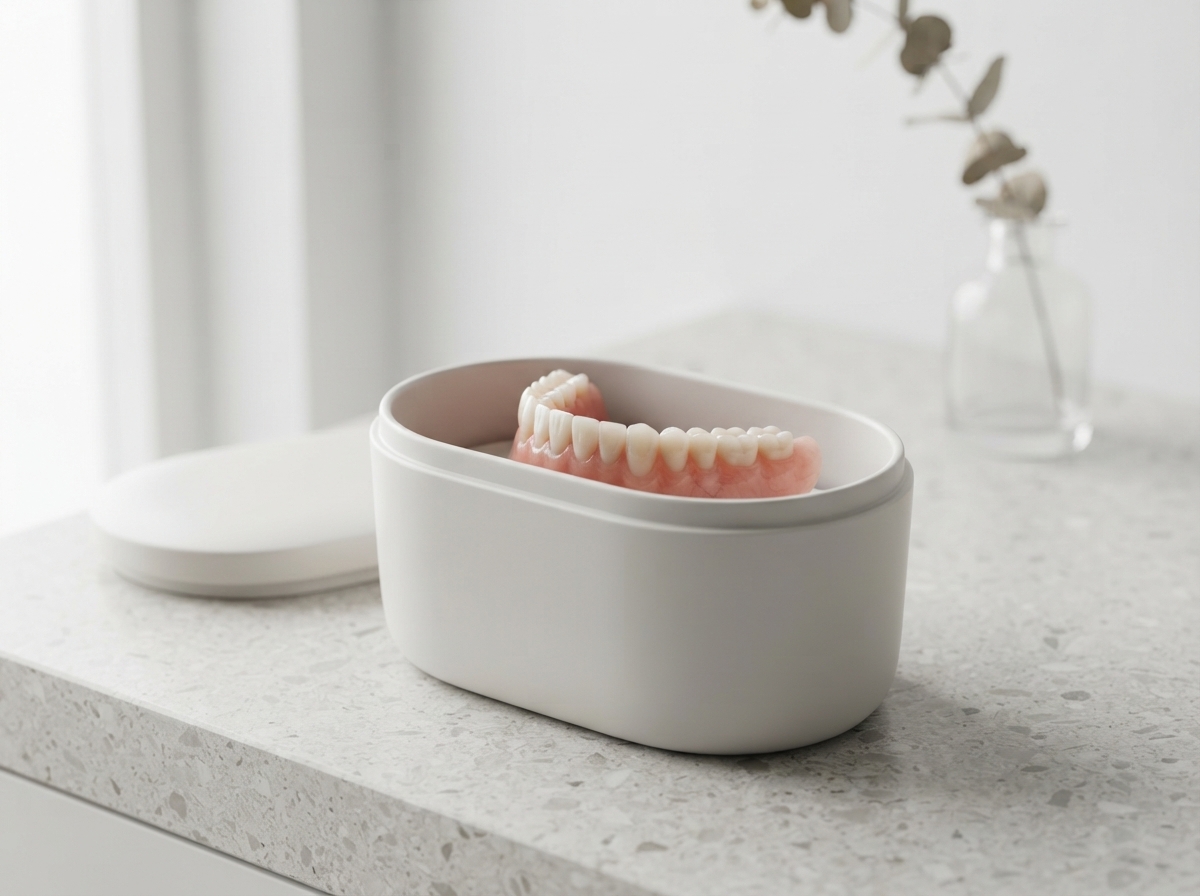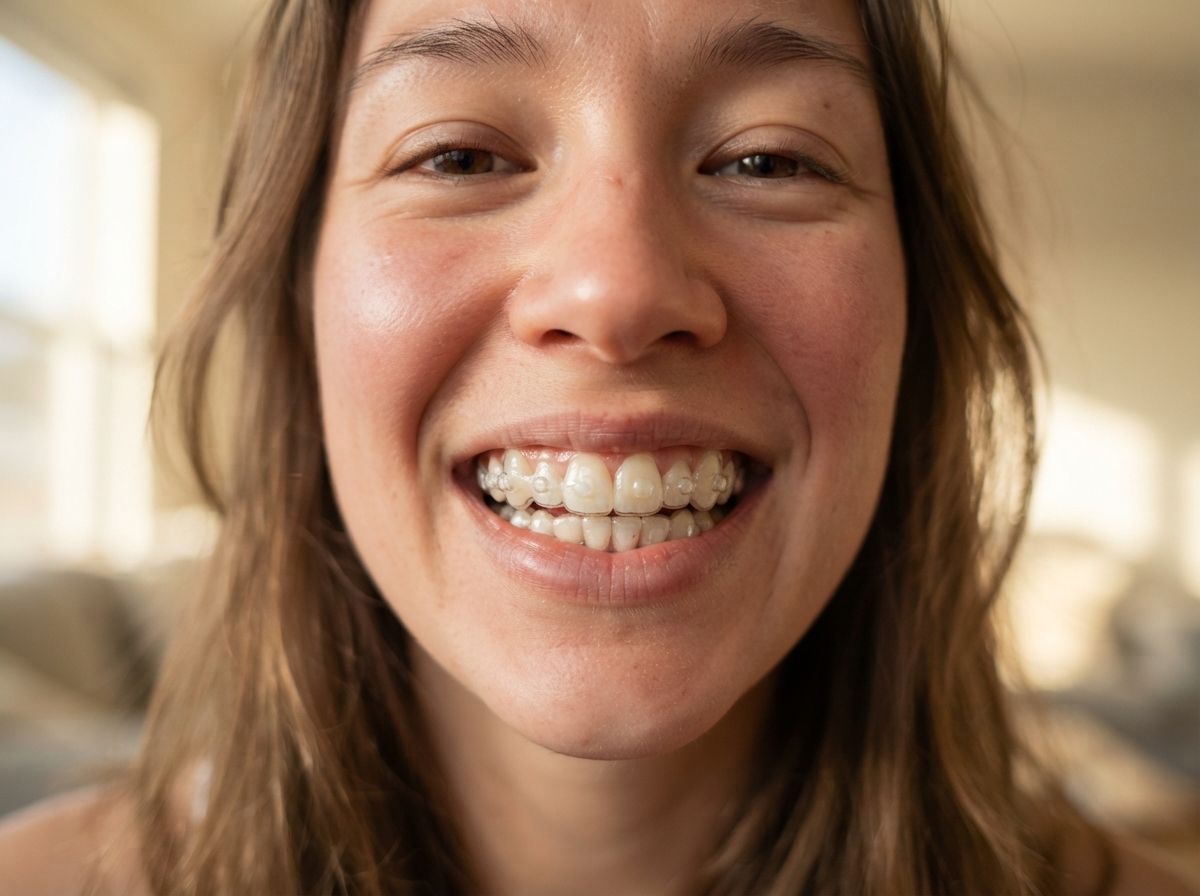


After braces or aligners, retainers hold your teeth in their new positions. Teeth naturally tend to drift, so retainers matter for years. The main choice is between a permanent retainer and a removable one.
Why teeth shift back
The bone, gums and fibers around your teeth need time to settle after orthodontic treatment. Without a retainer, teeth can move back toward their old positions. Normal aging and habits such as teeth grinding can also change tooth position over time.
Permanent (fixed) retainers
A permanent retainer is a thin wire bonded to the back of the front teeth, usually the lower ones.
Benefits
- It works all day, with nothing to remember or lose
- It is hidden behind the teeth
- It can be a good option for teeth that tend to shift
Drawbacks
- Cleaning takes more effort, because plaque and tartar collect along the wire
- The wire or glue can break or come loose and needs repair
- Floss needs a threader or a special tool to pass under the wire
- It can irritate the tongue for some people at first
Removable retainers
Removable retainers are clear plastic trays or wire-and-acrylic appliances that you take out.
Benefits
- They are easy to clean, and brushing and flossing are not affected
- They are usually simple to replace
- They can double as a night guard in some cases
Drawbacks
- They only work if you wear them as directed
- They can be lost or broken
- They can warp if left in heat
How to decide
The right choice depends on which teeth moved the most, whether you grind your teeth, how well you clean around a wire, and how reliably you will wear a removable one. Many people use a combination: a fixed retainer on the lower front teeth and a removable one on top.
Caring for your retainer
- Clean removable retainers daily with a soft brush and mild soap, not hot water
- Keep them in a case when they are not in your mouth
- See your dentist for regular cleanings to check the fixed wire
- Call the office if a wire breaks or comes loose, rather than waiting
Plan for the long term
Ask your orthodontist how long to wear your retainer, and replace it when it no longer fits well. See our orthodontics page and learn about braces and what to expect.
This article is general information and does not replace an exam or personal advice from your dentist.
Have questions about your own teeth? Request an appointment or call (747) 339-7016.