
I get asked some version of this question constantly: "What actually is sedation dentistry?" The term gets thrown around a lot in marketing, sometimes in ways that make it sound more dramatic, or more universal, than it actually is. So let me give you a plain, honest explanation of what this really means and how we think about it.
The Basic Idea
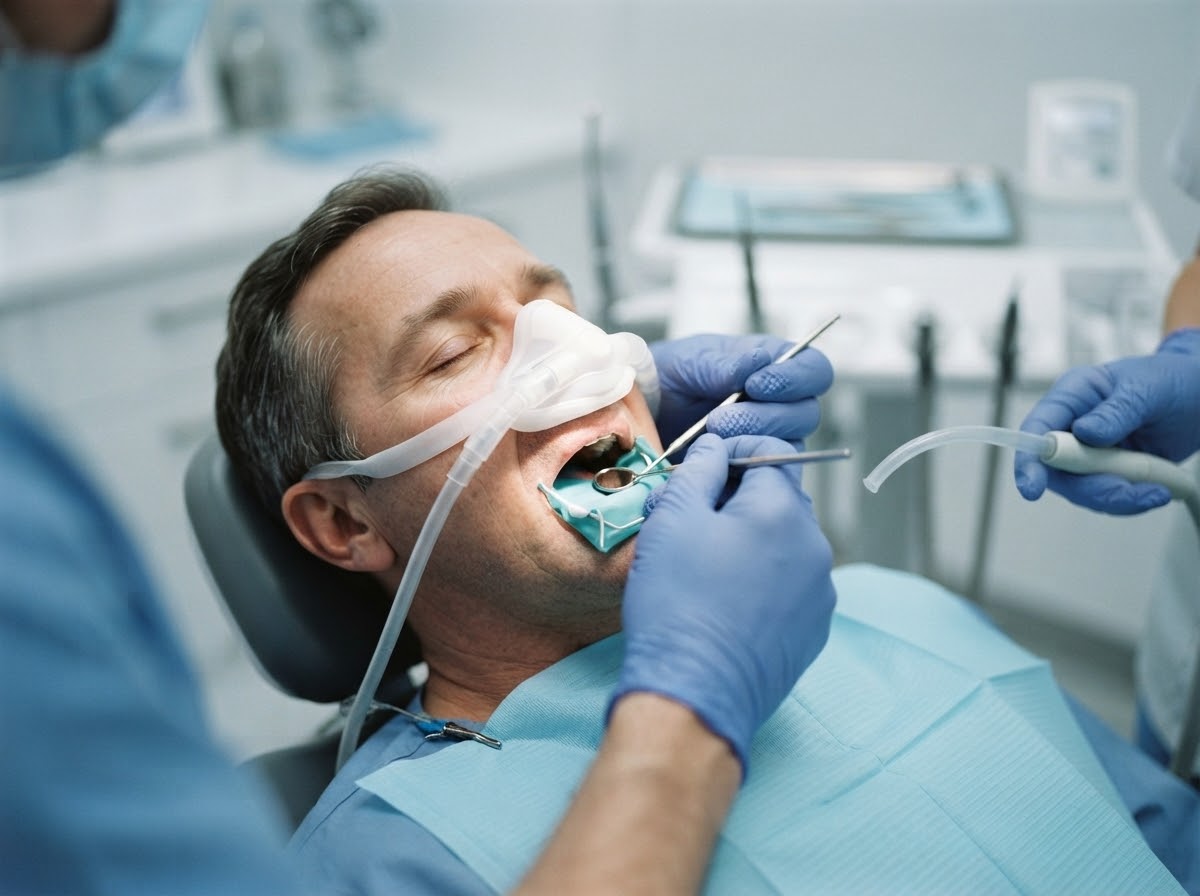
Sedation dentistry broadly refers to approaches that may help patients feel calmer and more comfortable during dental treatment. The goal is not to make every patient unconscious or heavily sedated, it is to reduce anxiety and discomfort to a level that makes treatment manageable and far less stressful.
It's Not a Single, Universal Approach
One of the biggest misconceptions is that "sedation dentistry" means one specific thing applied the same way to every patient. In reality, what might help one anxious patient feel comfortable could be completely different from what another patient needs. This is exactly why comfort and sedation options are discussed individually, based on your health history, your specific anxiety triggers, and the treatment being performed.
Who Tends to Ask About This
Patients who bring up sedation or comfort options come from a wide range of backgrounds, some have had genuinely traumatic dental experiences in the past, others simply find the sounds or sensations of dental work uncomfortable, and some have a strong gag reflex or sensory sensitivity that makes typical visits more difficult. None of these reasons need to be dramatic to be valid.
What a Conversation About This Actually Looks Like
If you bring up anxiety or discomfort during a visit, we start by understanding your specific concerns and reviewing your health history, since certain health conditions and medications can affect which options may be appropriate for you. From there, we discuss what approach might genuinely help for your situation and the specific treatment planned.
What This Is Not
Sedation dentistry is not a substitute for addressing dental issues or a way to avoid necessary care indefinitely. It is also not guaranteed to be completely risk-free or appropriate for every patient, which is why an honest health history review always comes first, before any recommendations are made.
Why This Matters Beyond Just Comfort
When anxiety is addressed properly, patients tend to be far more consistent with ongoing dental care, catching issues earlier rather than avoiding visits until something becomes urgent. In that sense, comfort-focused care is not just about the experience itself, it supports better long-term oral health too.
Frequently Asked Questions
Does sedation dentistry mean I'll be unconscious during treatment?
Not necessarily. The specific approach depends on your individual needs and the treatment being performed, and your dental team can explain what might be appropriate for your situation.
Is sedation dentistry safe for everyone?
Appropriateness depends on individual health history, medications, and other factors, which is why a thorough review always happens before any recommendation is made.
Will my dental team ask about my medical history before discussing options?
Yes, this is an essential step, since certain health conditions and medications can affect which comfort options may be suitable for you.
Can I just ask questions without committing to anything?
Absolutely. Bringing up anxiety or asking about comfort options is simply a conversation, not a commitment to any specific approach.
Start the Conversation
If dental anxiety has been a barrier for you, understanding what sedation dentistry actually involves is a good first step toward a more comfortable experience.
Curious what comfort options might be appropriate for you? Schedule a consultation with our North Hollywood team to talk it through.