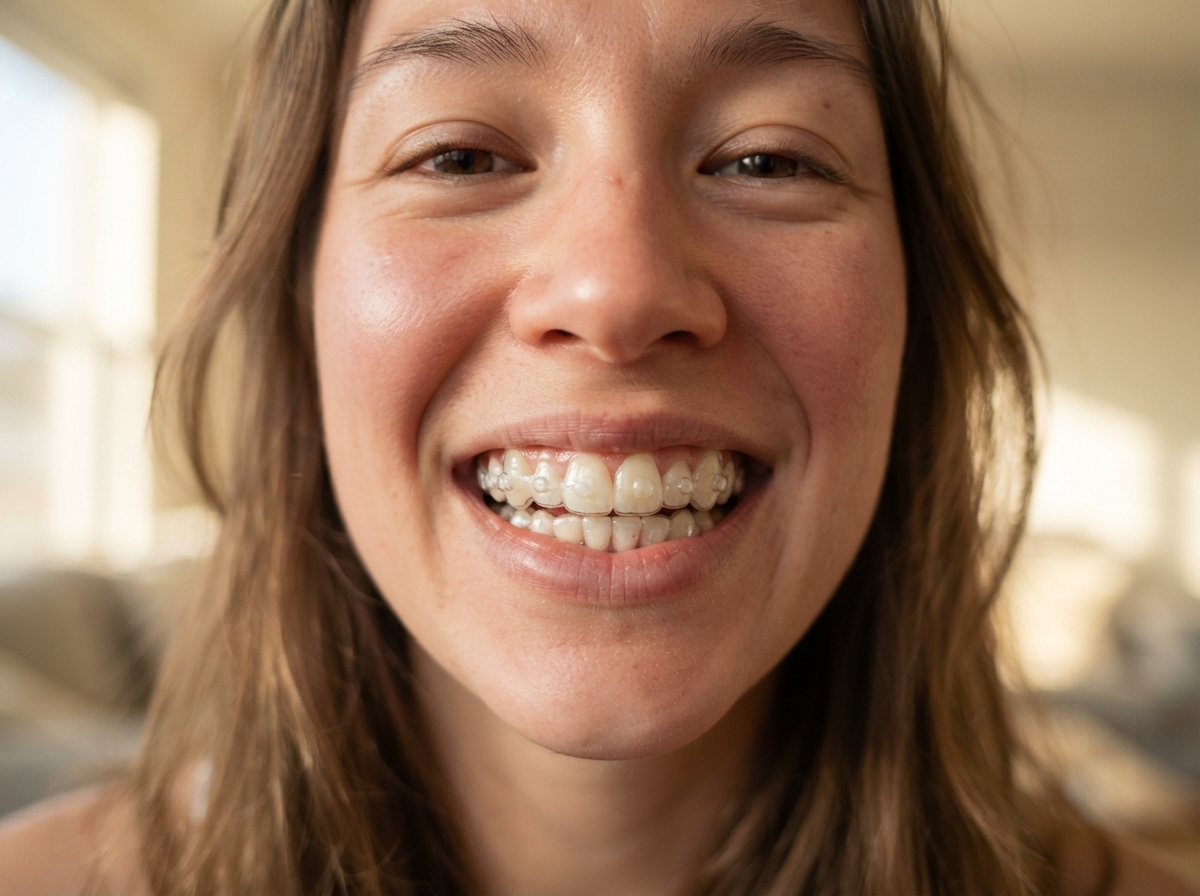
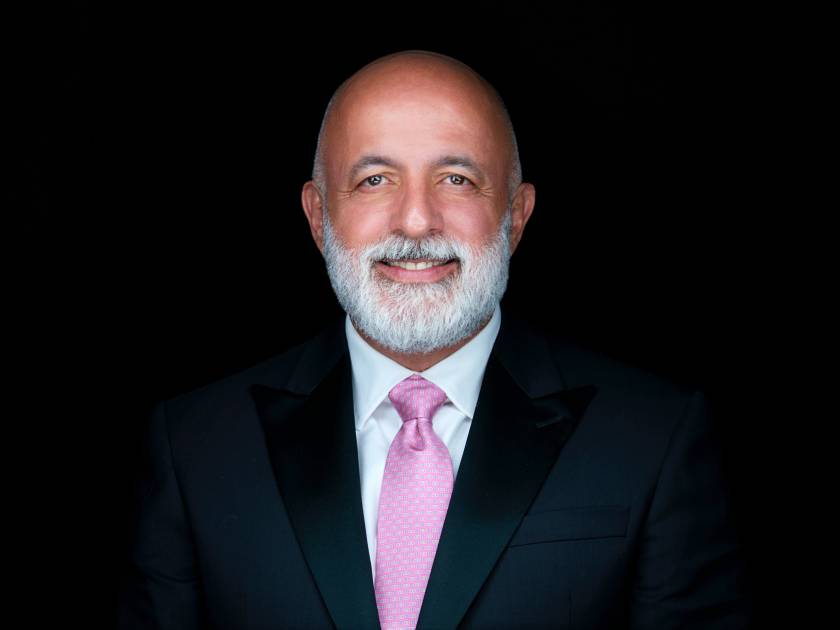
There is still a pretty persistent assumption floating around that braces are just for teenagers, and that showing up as an adult asking an orthodontist about traditional braces is somehow unusual. It is not. Adult patients make up a real and growing share of the orthodontic cases we see, and the reasons tend to be more common than people expect.
Why Adults End Up Needing Braces
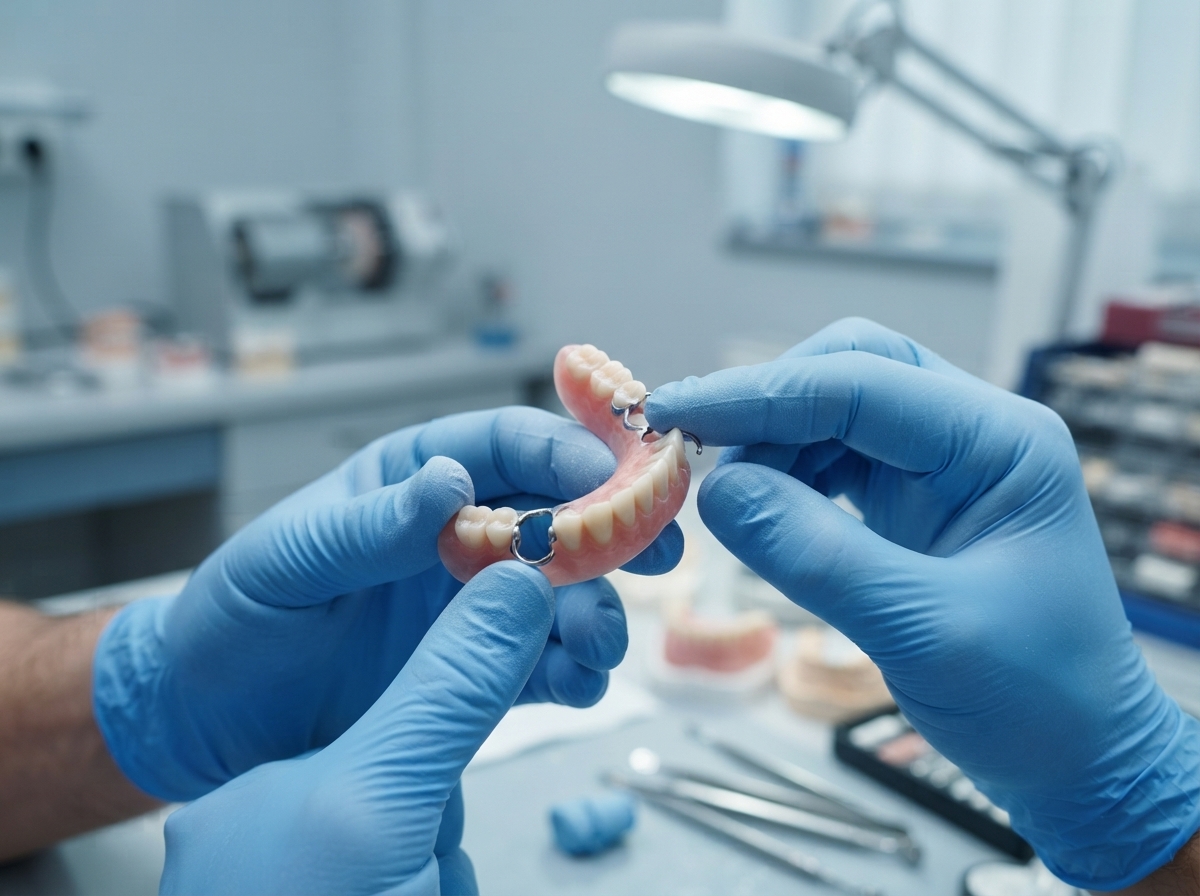
A few scenarios come up again and again. Some adults never had orthodontic treatment as a teenager and have simply lived with crowding or spacing for years. Others had braces decades ago, wore their retainer inconsistently, and have watched their teeth gradually shift back over time. And some adults develop new bite issues as a result of tooth loss, grinding, or natural changes that happen with age.
Why Traditional Braces, Not Just Invisalign, for Some Adults
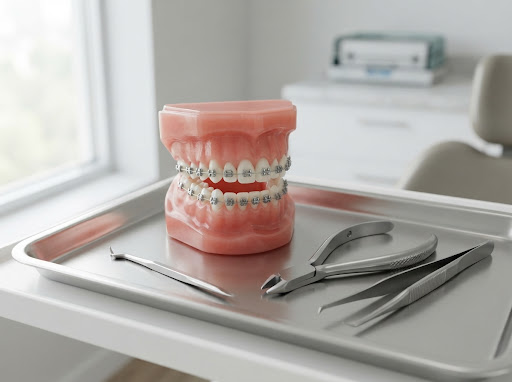
While Invisalign is a popular option for adults who want a more discreet treatment, traditional braces remain the better fit for certain more complex bite issues, since the fixed brackets and wires can achieve precise movements that removable aligners sometimes cannot accomplish as effectively on their own.
This is not a step backward, it is simply matching the right tool to the right job based on what your specific bite actually needs.
What's Different About the Adult Experience
Adult patients often approach treatment differently than teenagers. There is usually a clearer sense of why treatment matters, fewer compliance issues around things like avoiding certain foods, and often a stronger motivation to see treatment through to completion. Many adult patients tell us the social hesitation they expected simply does not materialize the way they feared, especially once treatment is underway and they can already see progress.
Addressing the Social Hesitation Directly
It is normal to feel a little self-conscious about starting braces as an adult. What we hear consistently from patients, though, is that this hesitation fades quickly once treatment begins, especially as friends, family, and coworkers tend to be far less focused on it than patients initially assume.
What the Process Actually Looks Like
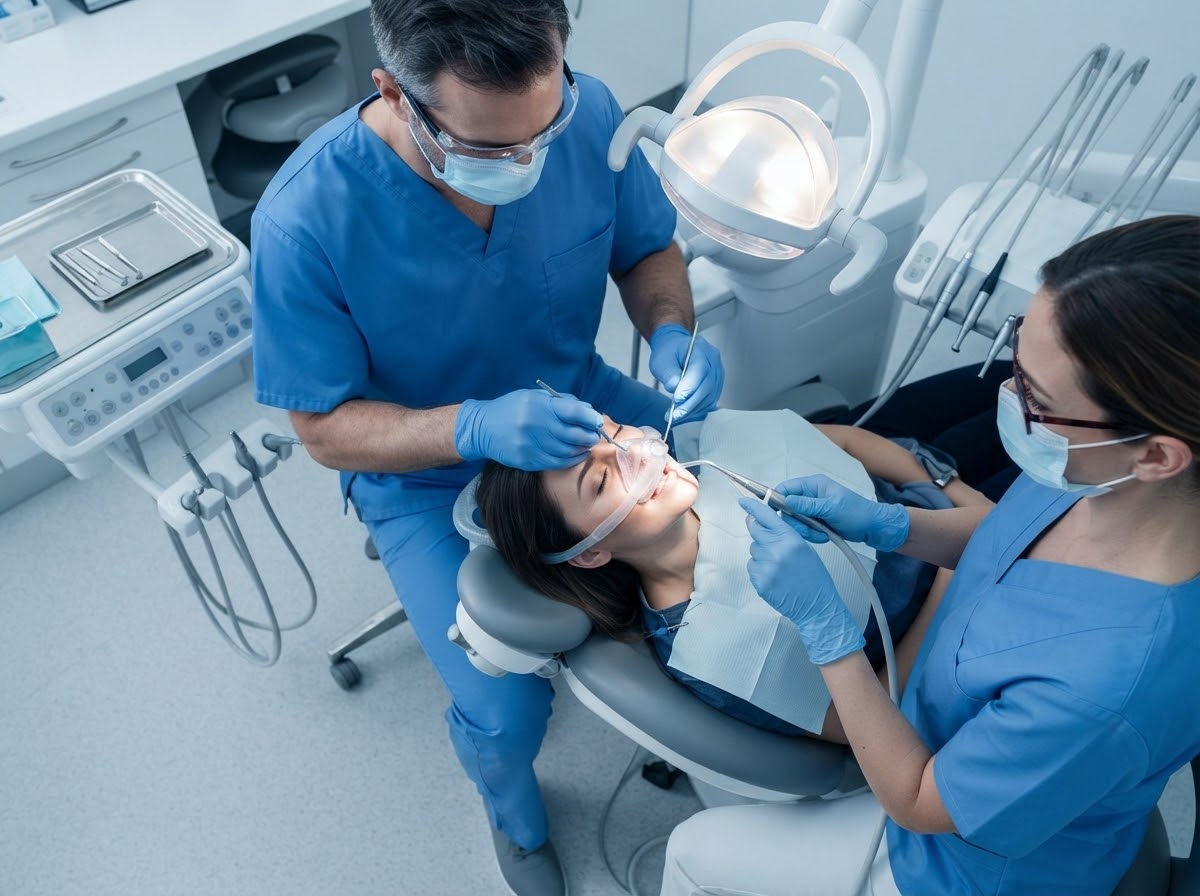
Adult orthodontic treatment generally follows a similar structure to teen treatment, an initial evaluation, a custom treatment plan, regular adjustment appointments, and a clear projected timeline based on your specific bite. The biggest difference is often simply that adult patients come in with a clearer understanding of their own goals and expectations.
Frequently Asked Questions
Is there an age limit for traditional braces?
No. As long as your teeth and gums are healthy enough to support treatment, age alone is rarely a disqualifying factor.
Will braces take longer for adults than teenagers?
Treatment time depends more on the complexity of your bite than your age specifically, though individual healing and movement rates can vary.
Can I still get braces if I had them before as a teenager?
Yes. Relapse after previous orthodontic treatment is a common reason adults seek treatment again, often with a retainer plan to help maintain results this time.
Do braces look different or more subtle for adults?
Smaller, less noticeable bracket designs are often available, which some adult patients prefer over traditional metal brackets.
It's Not Too Late to Address Your Bite
If you have been putting off orthodontic treatment because you assumed it was "too late" as an adult, that assumption is worth reconsidering with a real evaluation.
Thinking about braces as an adult? Schedule a consultation with our North Hollywood team to explore your options.