
A smile makeover is not a single procedure. It is a coordinated plan combining several treatments to change how your entire smile looks and functions, designed as one result rather than assembled from a series of unrelated appointments.
It is also the most consequential elective dental decision most people make, and the process by which it is planned matters as much as the treatments involved.
Key Factors to Understand About Smile Makeover Planning
1. Makeover or Reconstruction? The Terms Are Not Interchangeable
A smile makeover is primarily aesthetic, usually the eight to ten teeth visible when you smile, in a mouth that is fundamentally healthy and functioning properly.
A full mouth reconstruction is restorative and functional. It rebuilds a mouth where teeth are missing, severely worn, or where the bite has collapsed and the jaw joint is affected. It typically involves every tooth, takes longer, and costs considerably more.
Many patients need elements of both. Someone with years of untreated grinding has an aesthetic problem caused by a functional one, and treating only the appearance guarantees the result will fail.
2. Sequence Matters Enormously
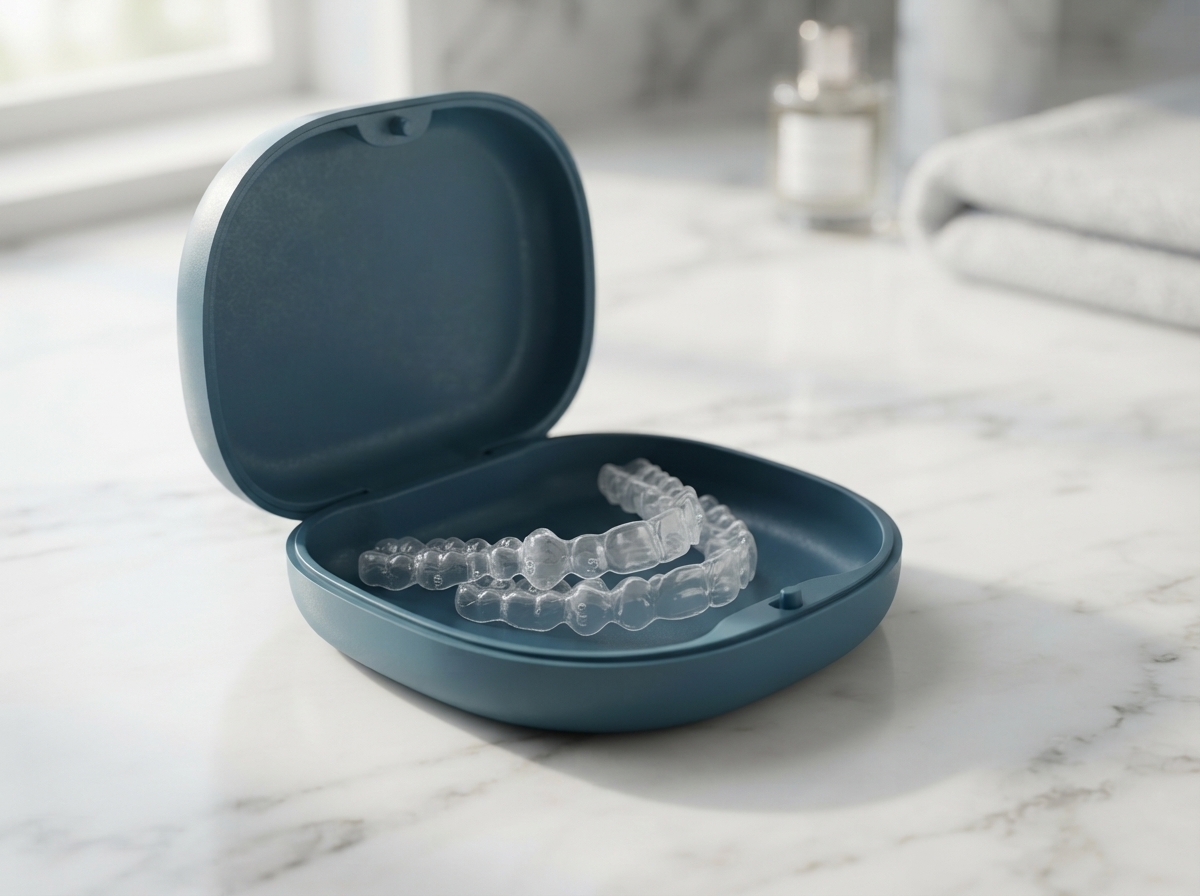
Alignment usually comes first. Straightening teeth before restorative work means thinner veneers, fewer of them, or sometimes none at all. Masking a poorly positioned tooth with porcelain requires cutting that tooth down considerably more, and enamel does not grow back.
Gum work comes next. Uneven gum levels or a gummy smile undermine an otherwise excellent restorative result, and any active gum disease must be treated first.
Whitening comes before porcelain, never after. Ceramic does not respond to bleaching. Your target shade is established with your natural teeth first, then the ceramics matched to it. Getting this order wrong is the most common sequencing error seen in second opinions.
Restorative work comes last. Veneers, crowns and implants deliver the final result once the foundation is right.
3. The Mock-Up Is the Step That Protects You
After the smile is designed digitally, that design is converted into a temporary composite mock-up placed directly over your existing teeth, without any drilling. You see the proposed smile in your own mouth, and you can walk out of the practice wearing it.
Take a few days with it. Look in different mirrors and lighting, eat with it, photograph it, and show people whose opinion you value. Then return and say what you want changed.
Nothing irreversible has happened at this point. A practice performing an extensive makeover without this stage is skipping the one step that lets you change your mind while changing your mind is still free.
4. Questions Worth Asking Anywhere You Consult
- Will I see a mock-up in my own mouth before any tooth is prepared? If the answer is no, keep looking.
- How much natural tooth will be removed? Aggressive preparation is irreversible.
- Who does the gum work? If it is referred out, your aesthetic result is being coordinated across two practices.
- Is orthodontics being considered first? A practice that never suggests alignment before veneers may be optimizing for its own revenue.
- Is a night guard included?
- What happens if a veneer chips in two years? Get the answer before, not after.
Everyday Real-Life Scenarios: Planning in Practice
Scenario A: The Consultation That Changed Direction
A patient books to discuss ten veneers for crooked upper front teeth. Assessment shows the teeth are healthy and entirely unrestored, simply out of position. Aligning them over ten months means only two ultimately need any restorative work. The revised plan costs substantially less and preserves enamel that could never have been recovered.
Scenario B: The Mock-Up That Was Rejected
Another patient approves a digital design, then wears the composite mock-up for four days and decides the front teeth are longer and more uniform than they want. The design is revised, a second mock-up made, and this one approved. Discovering the same objection after ten teeth had been prepared would have been an entirely different situation.
Scenario C: The Grinding That Had to Be Addressed First
A third patient has significantly worn front teeth and wants them rebuilt. The wear is caused by heavy bruxism, and simply placing porcelain onto teeth subjected to those forces would result in chipping within a couple of years. The bite is assessed, more fracture-resistant materials selected, and a night guard built into the plan from the outset.
Frequently Asked Questions About Smile Makeovers
Q1: How long does a smile makeover take?
A: A veneer-only case can complete in about six to eight weeks. If orthodontic alignment is part of the plan, add six to eighteen months. If implants are involved, add three to six months of healing. If you have a fixed date such as a wedding, say so at the first visit.
Q2: How much does it cost?
A: Entirely dependent on scope. Whitening with bonding runs roughly $1,500 to $4,000; six to eight porcelain veneers $9,000 to $20,000; a full mouth reconstruction $30,000 to $70,000 or more. Purely cosmetic treatment is not covered by insurance, though functional components frequently are.
Q3: Do I really need braces or aligners before veneers?
A: Often it is worth it. Masking a crooked tooth with a veneer requires removing considerably more natural tooth. Straightening first frequently means thinner veneers, fewer of them, or none at all, saving money and preserving enamel permanently.
Q4: I grind my teeth. Can I still have a smile makeover?
A: Yes, but the grinding must be part of the plan rather than ignored. Uncontrolled bruxism chips porcelain and can destroy an expensive result within a couple of years. Your bite should be assessed first, and a protective night guard included as standard.
Why Choose NoHo Dental Group for Your Smile Makeover?
Complex aesthetic cases require several disciplines working from one plan. At NoHo Dental Group on Chandler Blvd, that means a periodontist for gums and implants, an orthodontist for alignment, an endodontist for anything requiring root canal treatment, and our restorative team for the final work, all in one practice.
Why North Hollywood Patients Trust Us:
- Four Specialists, One Plan: Complex cases are sequenced correctly because everyone involved is in the same building.
- Conservative First: We suggest alignment before veneers when it saves you tooth structure.
- Nothing Irreversible Without Your Approval: The composite mock-up stage is standard practice here.
- Function Is Not Sacrificed to Appearance: With jaw joint expertise on site, bite changes are planned properly.
Bring photographs and bring your questions. Contact our friendly team today.