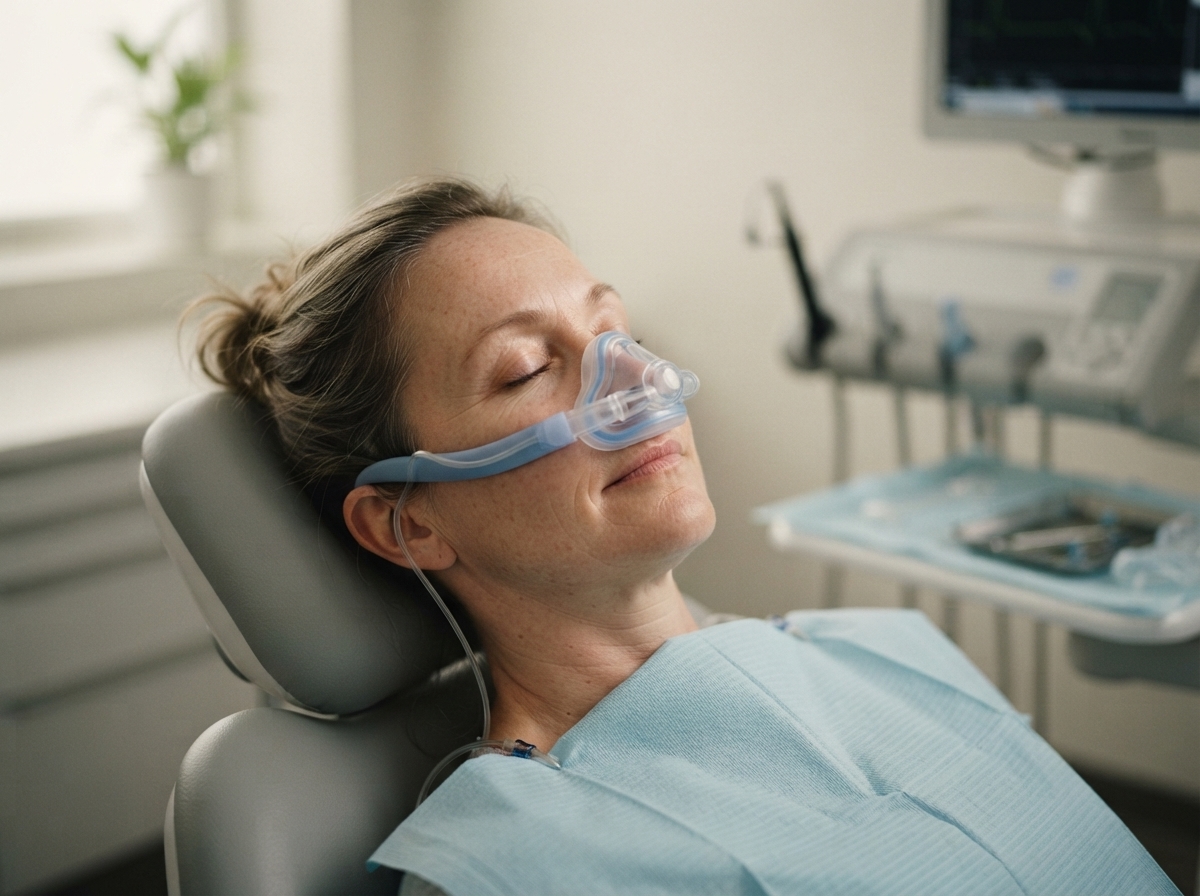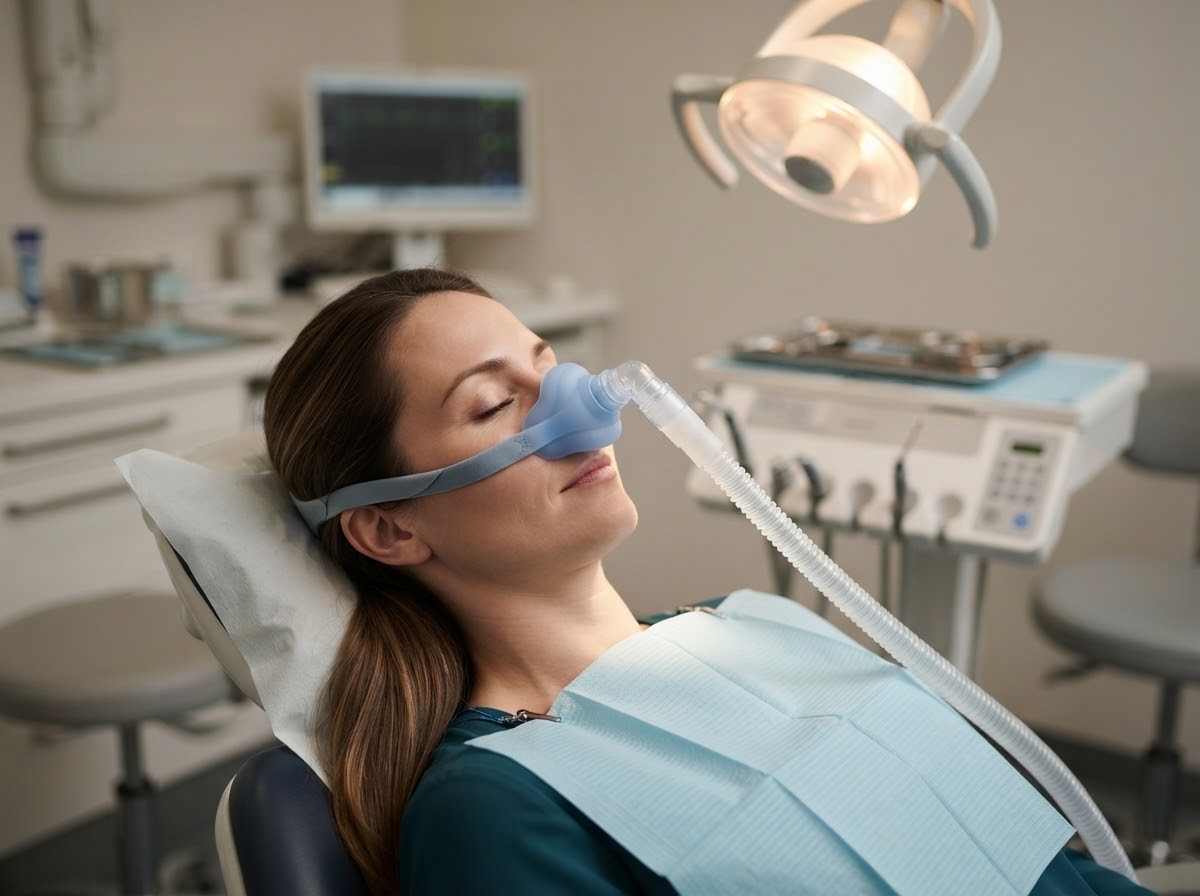
CPAP is the most effective treatment available for obstructive sleep apnea, and for patients who tolerate it, it works remarkably well. The difficulty is that a substantial proportion of people prescribed CPAP stop using it, because of the mask, the noise, claustrophobia, travel inconvenience, or simply because they cannot sleep with it.
A treatment that is not used provides no benefit at all. For patients in that position, a custom oral appliance offers a genuine alternative.
Key Factors to Understand About Oral Appliance Therapy
1. What Sleep Apnea Actually Does
Obstructive sleep apnea occurs when the soft tissues at the back of your throat relax during sleep and collapse into the airway, blocking airflow. Breathing stops until your brain registers the falling oxygen level and briefly rouses you enough to reopen the airway.
This can happen dozens of times an hour, every night, and most patients have no memory of any of it. What they experience is waking unrefreshed after eight hours in bed.
The consequences are not limited to tiredness. Untreated sleep apnea is associated with high blood pressure, cardiovascular disease, stroke risk, type 2 diabetes and significantly elevated accident risk from daytime sleepiness.
2. Signs Worth Taking Seriously
- Loud, chronic snoring, particularly with pauses noticed by a partner
- Gasping or choking sensations during sleep
- Waking unrefreshed regardless of hours slept
- Daytime sleepiness, especially while driving or in meetings
- Morning headaches
- Difficulty concentrating, memory problems or irritability
- Waking repeatedly to urinate during the night
- Dry mouth or sore throat on waking
Dentists frequently notice contributing signs during routine examinations, and these observations are often what prompts a patient to seek a sleep study.
3. How an Oral Appliance Works
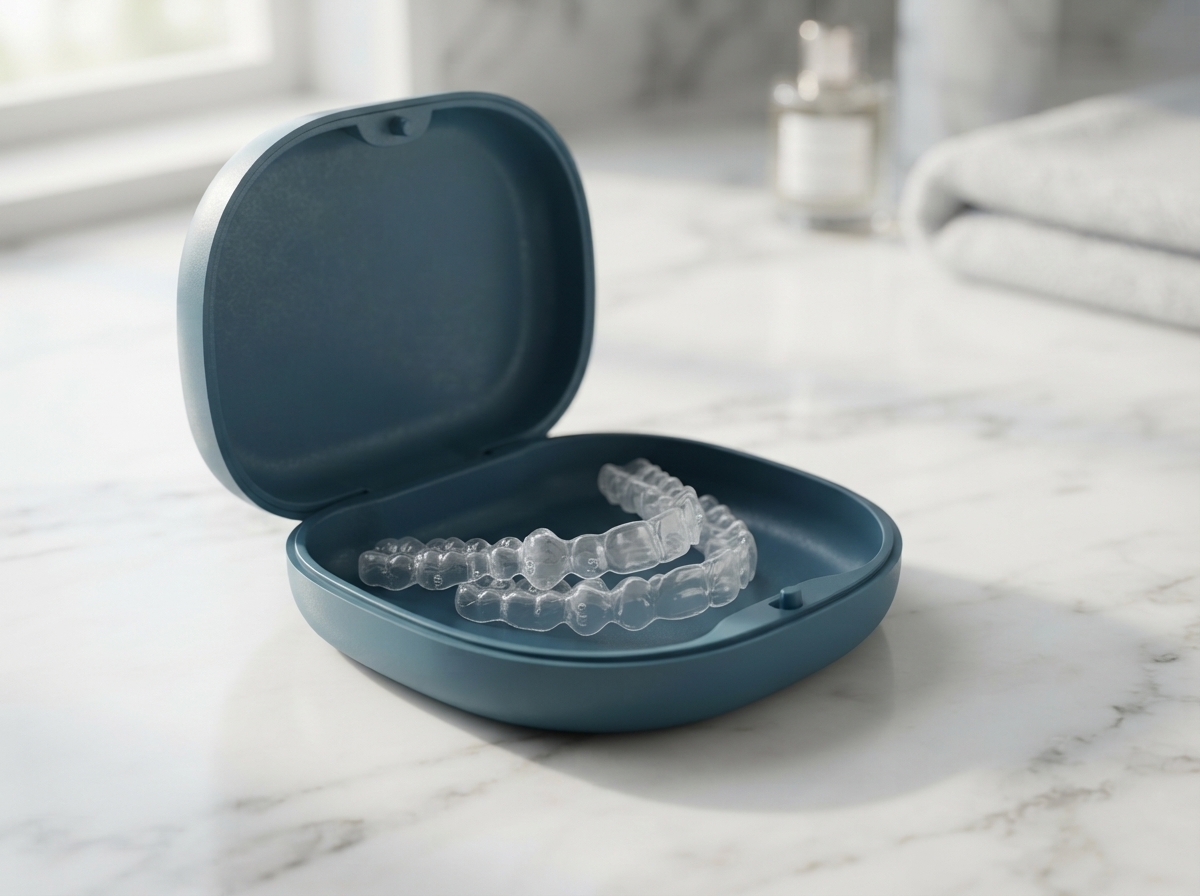
A mandibular advancement device is a custom-made appliance worn during sleep that looks somewhat like a sports mouthguard. It holds your lower jaw slightly forward, which pulls the tongue and soft tissues forward with it and keeps the airway open.
The advantages over CPAP are practical rather than clinical: it is small, silent, requires no electricity, fits in a pocket for travel, and most patients adapt within a couple of weeks. Compliance rates are substantially higher than CPAP, and for a condition where the treatment only works if you use it, that matters enormously.
The appliance is custom-made from impressions of your teeth and is adjustable, with the degree of forward positioning increased gradually.
4. Being Clear About the Limits
It is most effective for mild to moderate sleep apnea. For severe cases, CPAP remains considerably more effective.
Diagnosis must come from a sleep physician. A dentist does not diagnose sleep apnea. Treatment should follow a proper sleep study and a medical diagnosis.
Follow-up testing confirms whether it is working. A repeat sleep study while wearing the appliance verifies that your apnea events have actually reduced. Feeling better is encouraging but is not the same as objective confirmation.
There can be side effects. Jaw soreness and increased salivation are common initially and usually settle. Over longer periods some patients experience small bite changes, which is why regular monitoring is part of proper care.
Everyday Real-Life Scenarios: Alternatives That Worked
Scenario A: The CPAP That Sat in the Closet
A patient diagnosed with moderate sleep apnea used CPAP for three weeks, found the mask intolerable, and stopped, leaving the condition entirely untreated for four years. A custom oral appliance is fitted in coordination with their sleep physician, and a follow-up study confirms a substantial reduction in apnea events. It is less effective than CPAP in theory, but it is being used every night.
Scenario B: The Snoring That Was Something Else
A patient attends about snoring that is affecting their partner sleep. Examination reveals worn teeth from grinding and a narrow airway. They are referred for a sleep study, which identifies moderate obstructive sleep apnea they had no idea they had.
Scenario C: The Traveling Professional
A third patient travels for work most weeks and finds transporting a CPAP machine impractical, resulting in inconsistent treatment. An oral appliance fits in a pocket and requires no power. For a patient whose barrier was entirely logistical, consistency of use was the whole problem.
Frequently Asked Questions About Oral Appliance Therapy
Q1: Is an oral appliance as effective as CPAP?
A: Not in absolute terms. CPAP is more effective clinically, particularly for severe sleep apnea. However, effectiveness in practice depends on use, and oral appliances have considerably higher compliance rates. For a patient who cannot tolerate CPAP, a well-fitted appliance used every night delivers far more benefit than a machine that is not being used.
Q2: Can I get an appliance without a sleep study?
A: No, and you should be cautious of anyone offering to. Sleep apnea is a medical condition requiring diagnosis by a physician. Treating snoring without knowing whether underlying apnea exists risks leaving a serious condition unaddressed.
Q3: Will insurance cover an oral appliance?
A: Frequently, yes, and importantly it is often billable to medical insurance rather than dental, since sleep apnea is a medical diagnosis. Coverage typically requires documentation of the diagnosis, sleep study results, and in many cases evidence of CPAP intolerance.
Q4: Is it comfortable to sleep in?
A: Most patients adapt within one to two weeks. Initial jaw soreness on waking and increased salivation are common and usually settle. Because the appliance is adjustable, the amount of jaw advancement can be increased gradually rather than all at once.
Why Choose NoHo Dental Group for Sleep Apnea Appliances?
At NoHo Dental Group on Chandler Blvd, oral appliance therapy is provided in coordination with your physician rather than as a standalone product. Diagnosis stays with your sleep specialist; we provide and manage the appliance.
Why North Hollywood Patients Trust Us:
- Coordinated With Your Physician: We work from your sleep study and medical diagnosis, and will not fit an appliance for undiagnosed snoring.
- Custom-Made and Adjustable: Appliances made from your own impressions and adjusted incrementally.
- Bite Monitored Over Time: Long-term appliance use can produce small bite changes, so we monitor your occlusion at regular intervals.
- Honest About the Limits: If your apnea is severe and CPAP would serve you considerably better, we will tell you plainly.
Contact our friendly team today.