
Few dental recommendations generate as much suspicion as the deep cleaning. A patient arrives expecting a routine polish, leaves with a treatment plan for scaling and root planing across multiple quadrants, and understandably wonders whether they have just been sold something they do not need.
The honest answer is that a deep cleaning is absolutely necessary for some patients and entirely unnecessary for others, and the difference is not a matter of opinion. It is a matter of measurement.
Key Factors to Understand About Scaling and Root Planing
1. It Is a Different Procedure From a Regular Cleaning
A routine cleaning, technically called a prophylaxis, removes plaque and hardened calculus from the visible surfaces of your teeth and just slightly beneath the gumline. It is a preventive procedure for a mouth that is fundamentally healthy.
Scaling and root planing works below the gumline, on root surfaces inside periodontal pockets that a standard cleaning instrument cannot reach. It involves two actions: scaling, which removes hardened deposits from the root, and root planing, which smooths the root surface so bacteria have less texture to colonize and the gum tissue has a clean surface to reattach to.
2. The Recommendation Should Be Based on Measurements
Before any deep cleaning is recommended, you should have a complete periodontal chart. That means measuring the depth between gum and tooth at six separate points around every tooth, recording where the tissue bleeds when probed, and reviewing digital x-rays for bone levels.
- 1 to 3 millimeters with no bleeding: healthy. A regular cleaning is appropriate.
- 4 to 5 millimeters with bleeding: early periodontal disease. Scaling and root planing is generally indicated.
- 6 millimeters and deeper: established disease with bone loss. Deep cleaning is necessary and surgery may follow.
If a deep cleaning has been proposed without anyone measuring and telling you your numbers, it is entirely reasonable to ask for the chart.
3. The Appointment Is More Comfortable Than People Expect
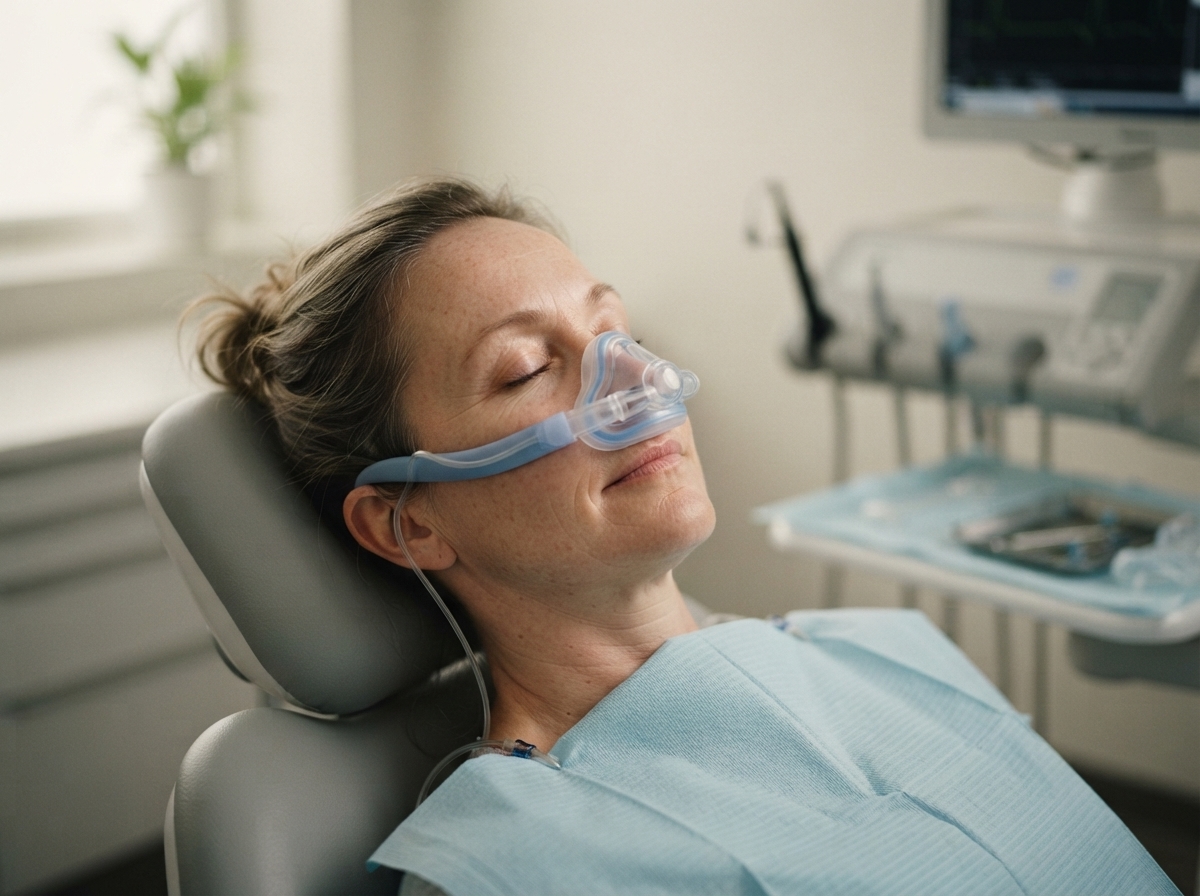
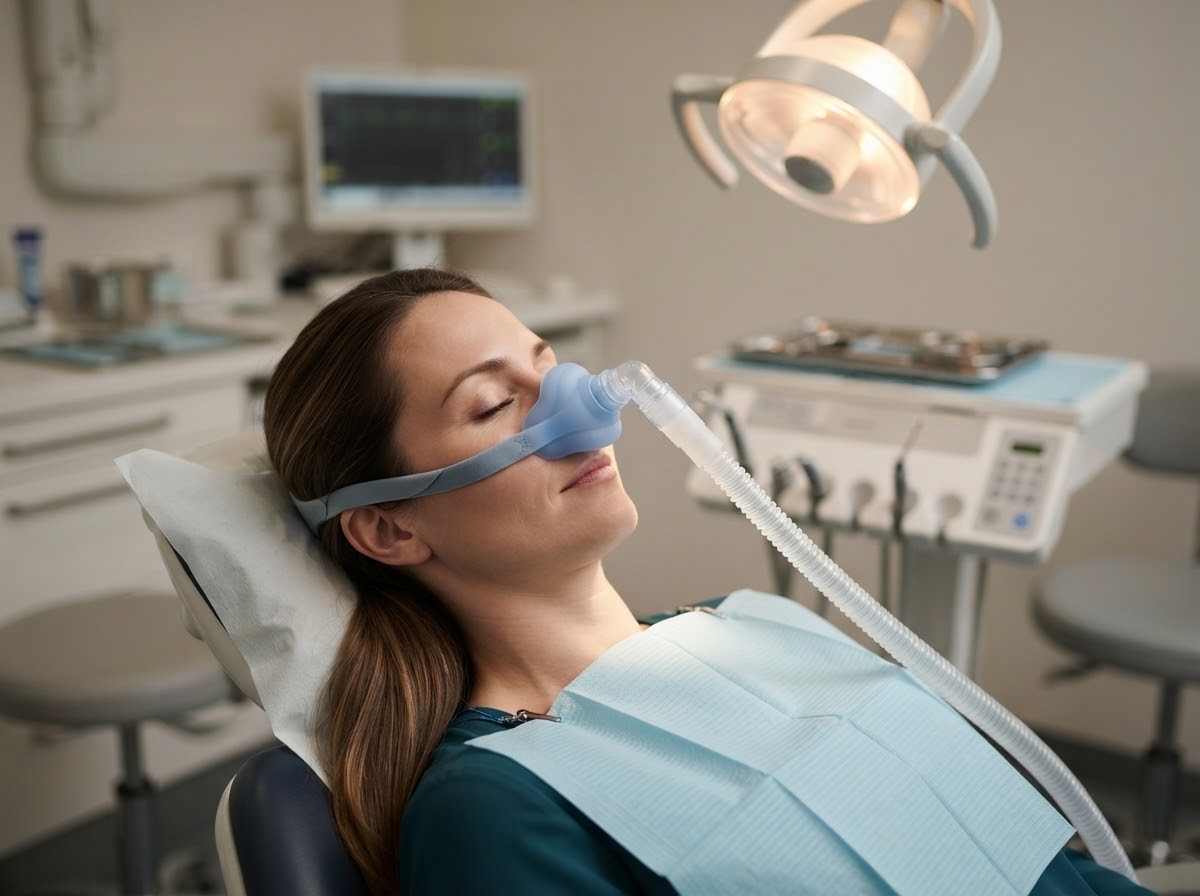
The procedure is performed under local anesthesia, exactly as a filling would be. Your mouth is fully numb. You should feel pressure and vibration but not pain. Most patients report that the anticipation was considerably worse than the experience.
Treatment is normally divided by quadrant. Many patients complete it in two appointments, treating one half each time so one side remains comfortable for eating. Each appointment typically runs sixty to ninety minutes. Afterward, expect gum tenderness for two to three days and cold sensitivity for up to a week or two.
4. The Re-Evaluation Is Where You Learn Whether It Worked
A deep cleaning is not the end of treatment, it is the first phase. Roughly four to six weeks afterward you should return for a fresh periodontal chart. The tissue has now had time to heal and tighten, and the new measurements are compared directly against your baseline.
In most early-to-moderate cases, pockets shrink measurably and bleeding stops. Where specific sites have not responded, those individual sites are addressed rather than repeating treatment across the whole mouth.
Everyday Real-Life Scenarios: How This Plays Out
Scenario A: The Patient Who Did Not Need It
A patient arrives having been told elsewhere that they need deep cleaning across all four quadrants. Full charting reveals pocket depths of two and three millimeters throughout, isolated bleeding in two spots, and no bone loss on x-ray. This is gingivitis, not periodontitis. The appropriate treatment is a thorough regular cleaning and improved home care.
Scenario B: The Straightforward Success
Another patient presents with bleeding gums and pockets of four to five millimeters across the back teeth, with early bone loss confirmed radiographically. Scaling and root planing is completed across two appointments. At the six-week re-evaluation, pockets have reduced to two and three millimeters and bleeding has stopped almost entirely.
Scenario C: The Case That Needed More
A third patient arrives with pockets of seven and eight millimeters and substantial bone loss. Scaling and root planing improves matters considerably, but several sites remain too deep to clean effectively. Those specific areas proceed to periodontal surgery, where the root can be accessed directly and the pocket eliminated rather than merely managed.
Frequently Asked Questions About Deep Cleanings
Q1: How do I know whether I genuinely need a deep cleaning?
A: Ask for your periodontal chart. Legitimate scaling and root planing is indicated when there are pockets of four millimeters or deeper with bleeding, and generally with bone loss visible on x-ray. If your measurements are one to three millimeters with healthy tissue, a regular cleaning is what you need.
Q2: Does the procedure hurt?
A: Not during treatment, because the area is fully numbed with local anesthetic. You will feel pressure and vibration rather than pain. Afterward, expect gum tenderness for two to three days and cold sensitivity for a week or two while the tissue tightens around the newly cleaned root surfaces.
Q3: Will my insurance cover it?
A: Usually, yes. Scaling and root planing is a standard covered benefit on most PPO plans, frequently at fifty to eighty percent, because insurers recognize that treating periodontal disease costs far less than replacing teeth. Coverage is typically tied to documented pocket depths and x-ray evidence.
Q4: Will I need this done again?
A: Not usually as a full repeat, provided you follow through with maintenance. After active treatment you move onto periodontal maintenance visits every three to four months rather than the standard six. Patients who keep that schedule generally hold their results for years.
Why Choose NoHo Dental Group for Periodontal Treatment?
At NoHo Dental Group on Chandler Blvd, periodontal care is led by Dr. Bijan Afar, a board-certified periodontist with a DDS and Master of Science in Oral Biology from UCLA and a postgraduate research fellowship at the National Institutes of Health.
Why North Hollywood Patients Trust Us:
- We Measure Before We Recommend: Every periodontal recommendation begins with complete charting, and we show you your own numbers.
- We Tell You When You Do Not Need It: If your readings are healthy, we will say so and provide a regular cleaning.
- Re-Evaluation Is Standard: We re-chart at four to six weeks and compare against your baseline.
- Comfort Options Available: Treatment under proper local anesthesia, with sedation available.
If you have been told you need a deep cleaning and would like a clear second opinion, contact our friendly team today.