

Five years. Ten years. Sometimes longer. The gap starts for an ordinary reason, a move, a job change, losing insurance, an appointment cancelled and never rebooked. Then time passes, and something else takes hold: the longer it has been, the harder it becomes to walk back through the door, because now you are anticipating a lecture on top of everything else.
Practices see returning patients constantly, and the ones who feel worst about the gap are rarely the ones in the worst condition.
Key Factors to Understand About Coming Back
1. The First Visit Does Not Have to Include Treatment
You can book a consultation where nothing is done to your teeth at all. You come in, sit down, and talk. You explain what has been going on, what worries you, and what you would like to address. If you are willing, an examination follows. If you are not ready that day, it does not happen.
Removing the expectation that something will be done to you removes most of the dread. Many patients who have avoided care for years find the first appointment anticlimactic in the best possible way.
2. What a Comprehensive Examination Actually Involves
- Medical history: conditions and a full list of medications, which genuinely affect dental care.
- Digital x-rays: to see decay between teeth, bone levels, and anything below the gumline.
- Periodontal charting: measuring the space between gum and tooth at six points around each tooth.
- Clinical examination: each tooth checked, along with existing fillings and crowns.
- Oral cancer screening: a quick examination of soft tissues, tongue and neck.
- Discussion: what was found, what it means, and what your options are.
Nothing in that list hurts.
3. Treatment Can Be Sequenced to Suit You
A reasonable practice sequences care by priority rather than presenting everything at once:
First, anything causing pain or active infection. This is urgent and comes before everything else.
Second, anything actively progressing, such as decay that will worsen or gum disease destroying bone.
Third, restoring function, replacing missing teeth and repairing what affects your ability to eat comfortably.
Fourth, appearance, if that matters to you.
Phased across months or across two insurance benefit years, a plan that looked impossible frequently becomes manageable. Ask for it to be sequenced. It is a completely normal request.
4. Sedation Is Available and Changes Everything for Some Patients
If your avoidance stems from a genuinely traumatic experience, willpower alone may not get you through a longer appointment, and it does not have to. Nitrous oxide produces a relaxed, detached calm and clears within minutes. Oral sedation goes further, and most patients recall very little of the appointment afterward.
Mentioning anxiety when you book means it can be noted on your file before you arrive, so you never have to explain yourself at the front desk.
Everyday Real-Life Scenarios: What Coming Back Looks Like
Scenario A: Better Than Expected
A patient returns after nine years, braced for the worst. Examination reveals two cavities, moderate tartar buildup and gingivitis, with no bone loss and nothing missing. Treatment amounts to a thorough cleaning and two fillings across two appointments. Nine years of anticipated catastrophe resolves in about three hours of chair time.
Scenario B: More Involved, but Manageable
Another patient returns after twelve years with periodontal disease, several cavities and one tooth beyond saving. The plan is sequenced: the failing tooth addressed first, periodontal treatment next, restorative work after that. Spread across eight months and two benefit years, what appeared overwhelming became a series of manageable appointments.
Scenario C: The Consultation-Only First Visit
A third patient books explicitly asking that nothing be done at the first appointment. They come in, talk through a previous experience that went badly, and agree to x-rays but nothing else. They return three weeks later for a cleaning with nitrous oxide, and have attended regularly since. Control over the pace was what made the difference.
Frequently Asked Questions About Returning to Dental Care
Q1: Will I be lectured about how long it has been?
A: You should not be, and at a good practice you will not be. Gaps in dental care are extremely common and usually have entirely ordinary explanations. If you are made to feel judged, that says something about the practice rather than about you.
Q2: How much is this going to cost?
A: That cannot be answered honestly until you have been examined, but you are entitled to a written treatment plan with costs before committing to anything. Ask for it to be prioritized so you can see what is urgent versus what can wait.
Q3: What if I do not have insurance?
A: You can still be seen. Ask for costs upfront and for treatment sequenced by priority so you address urgent items first. The cost of addressing a small problem now is invariably lower than treating what it becomes.
Q4: What if I need a lot of work done?
A: Then it gets sequenced and phased. Nobody is required to complete an entire treatment plan at once. A plan spread across a year is a perfectly legitimate plan, and far better than another five years of avoidance.
Why Choose NoHo Dental Group for Your Return?
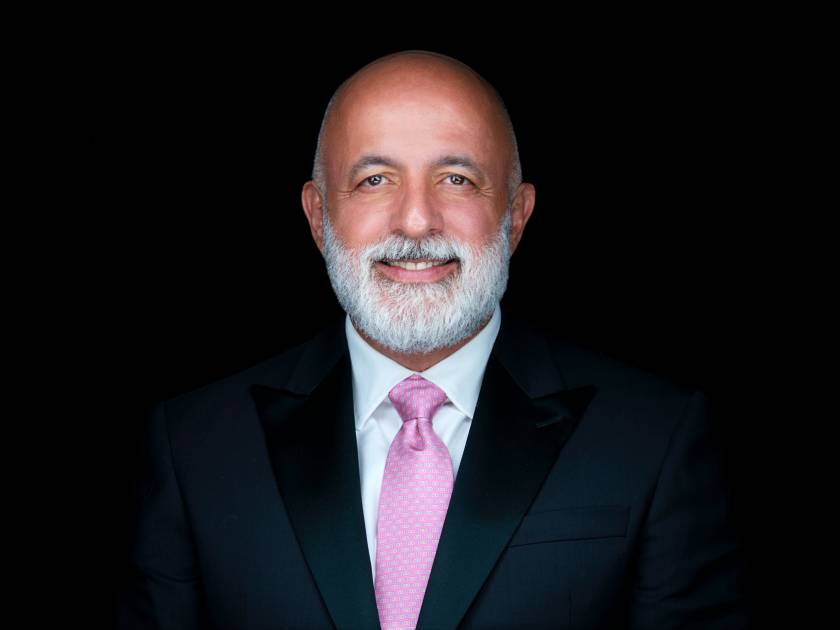
At NoHo Dental Group on Chandler Blvd, we see returning patients every week. Dr. Bijan Afar has served this community for nearly three decades and has heard every version of it has been a while.
Why Returning North Hollywood Patients Trust Us:
- No Lectures, Ever: We are interested in where you are now and where you want to get to.
- Consultation-Only First Visits: Book a conversation with no treatment. Nothing happens that you have not agreed to.
- Prioritized, Phased Treatment Plans: Written plans sequenced by urgency, with costs.
- Sedation and Comfort Options: Plus a multi-specialty team that can combine treatment into fewer visits.
Mention when you book that it has been a while. Contact our friendly team today.