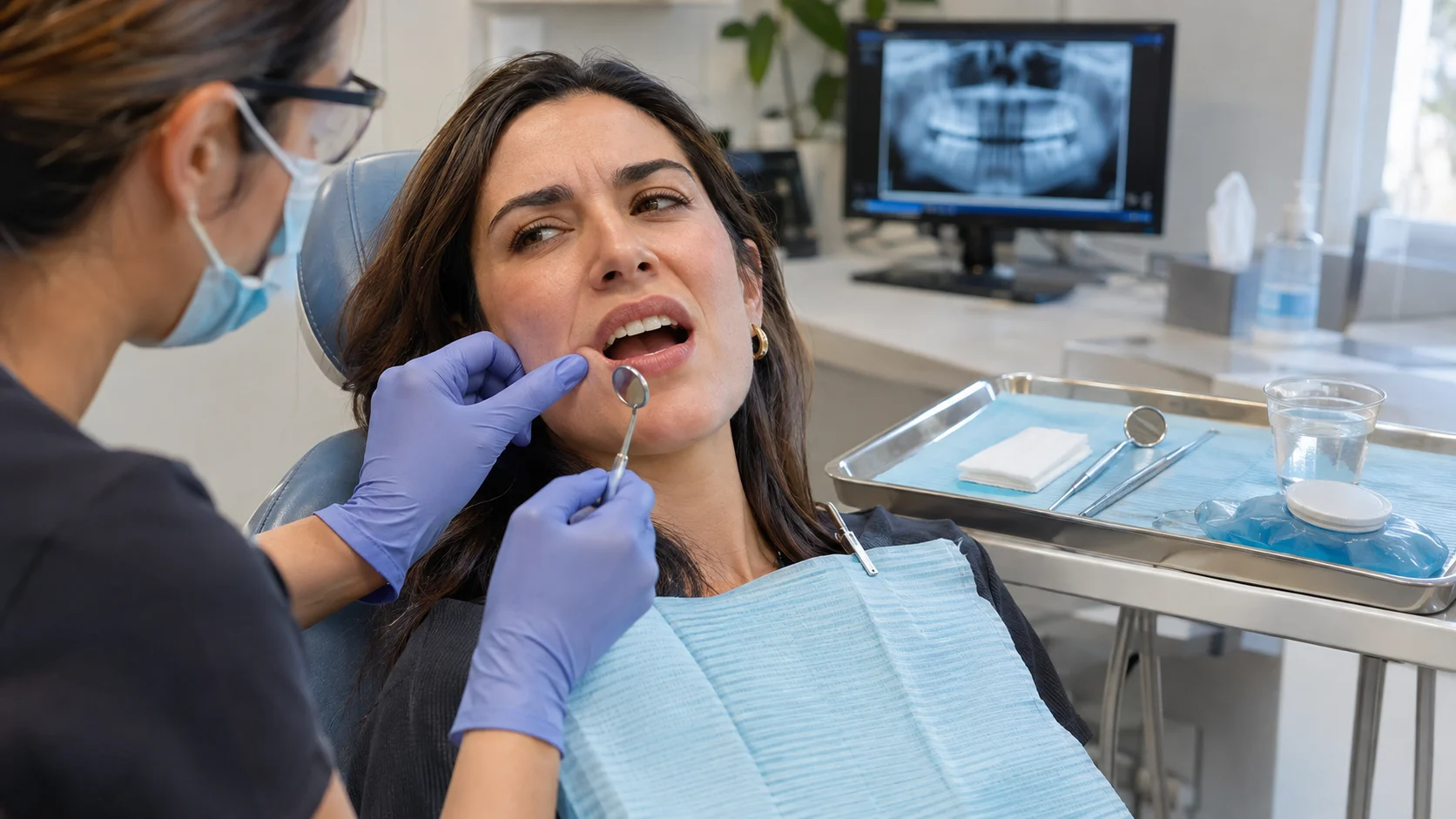

You finish treatment, the braces or aligners come off, and you finally have the smile you worked for. Then someone hands you a retainer and a set of instructions. It can feel like an anticlimax, but this is the part of orthodontic care that protects everything you just achieved. If you have been wondering about a permanent retainer versus a removable one, here is how they compare.
Why Retainers Matter at All
Teeth are held in place by bone and gum tissue, and after treatment those tissues need time to settle. Even years later, teeth can drift slowly as we age, chew and grow. Many adults who come to us for treatment tell us they had braces as a teenager and did not wear their retainer. That does not make them careless. It makes them typical. A good retainer plan is how you avoid doing the work twice.
Removable Retainers
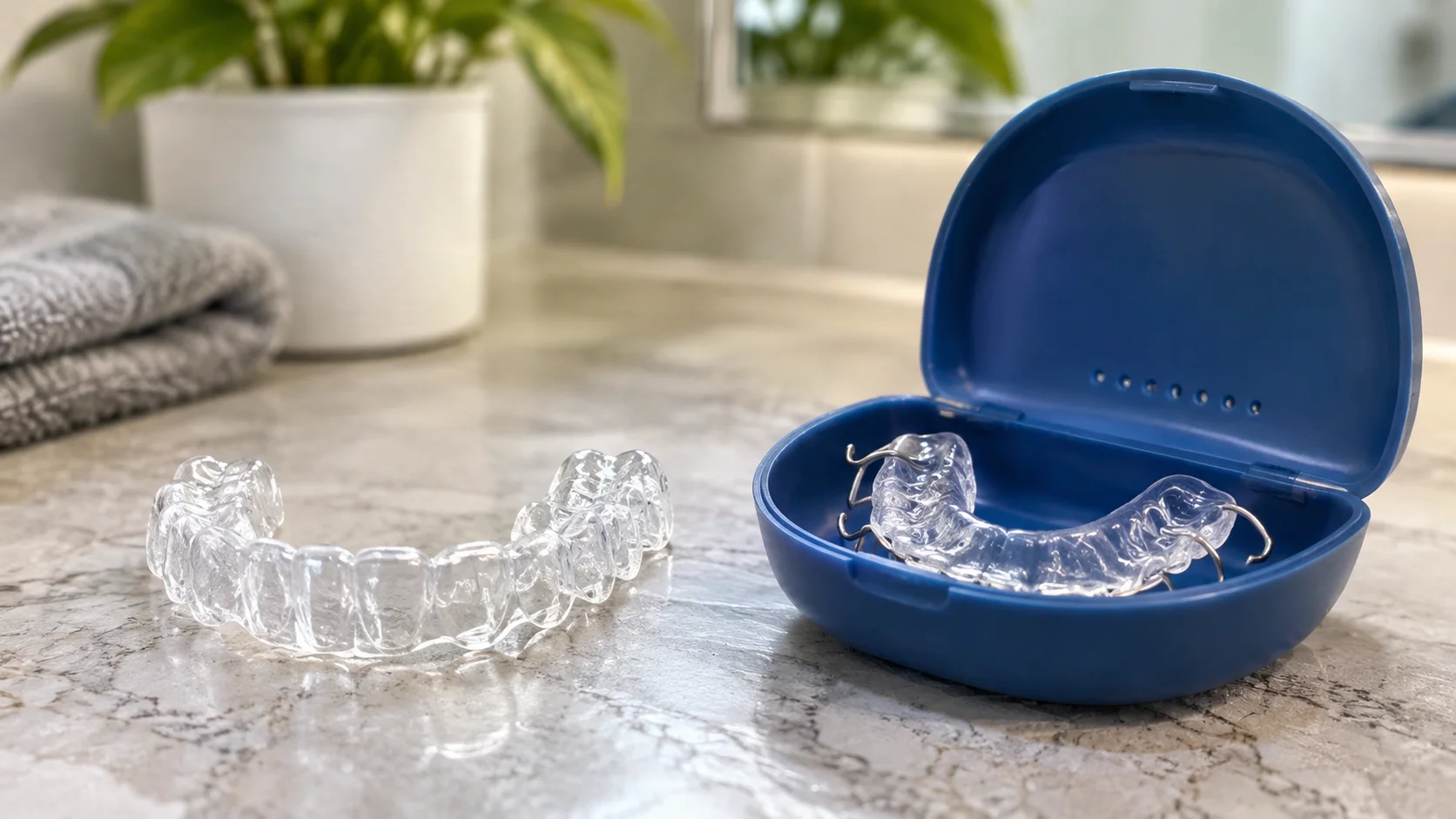
There are a few common types. Clear plastic retainers are made to fit snugly over your teeth, and wire and acrylic retainers have been used for decades. Both come out for eating and cleaning.
Advantages
- Easy to take out for brushing and flossing
- Simple to clean and replace
- No wire bonded to the back of your teeth
Trade-offs
- They only work if you wear them
- They can be lost, left in a napkin or broken
- Clear plastic versions can wear out over time
Permanent (Bonded) Retainers
A permanent retainer is a thin wire bonded to the back of your front teeth, usually on the lower arch and sometimes the upper. It stays in place day and night, so there is nothing to remember to put in.
Advantages
- Works around the clock without effort
- Cannot be lost or left at a restaurant
- Barely visible from the front
Trade-offs
- Cleaning around it takes extra effort, often with floss threaders or interdental brushes
- Plaque and tartar can build up if cleaning is neglected
- The bond can loosen or break, and you need to call your dentist if it does
Which One Is Better?
There is no single winner, and a lot depends on your case. Your dentist or orthodontist considers how likely your teeth are to shift, your oral hygiene habits, whether you grind your teeth and what you will realistically stick with. Some people use both: a bonded retainer on the lower teeth and a removable one for the upper.
The best retainer is the one you will actually use and care for. When we plan treatment, we talk about retainers at the start, not as an afterthought. That approach is part of how we work on our orthodontic services.
How Long Will I Need a Retainer?
Many providers recommend wearing a retainer long term, since teeth can move at any age. The schedule typically starts with more wear time after treatment and then eases to nightly or a few nights a week. Your provider will give you instructions based on your case.
Caring for Your Retainer
- Clean it daily as directed, and avoid hot water, which can warp plastic.
- Keep removable retainers in their case when they are out.
- Bring your retainer to your regular checkups so it can be checked.
- If you have a bonded retainer, keep your cleanings on schedule. See our cleaning tips for aligners for habits that carry over.
What If My Retainer Does Not Fit Anymore?
That is a signal your teeth may have moved. Call your dentist soon rather than forcing it. A small shift is easier to correct early. If you are wondering what to expect when treatment is still ahead, read our guide to the Invisalign daily routine and the questions that help you choose a provider.
Signs It May Be Time to Talk to Us About Your Retainer
Check in with your teeth now and then. If your retainer suddenly feels tight, if you notice new gaps or crowding, or if a bonded wire feels rough or loose, do not wait. Cracked or warped removable retainers should also be looked at. Small changes are usually simpler to correct early, and a quick visit can tell us whether your retainer needs a repair, a replacement or a new plan. If you have been without a retainer for a while, that is okay, too. We can look at where your teeth are today and talk through options.
Frequently Asked Questions
Can I eat with a permanent retainer?
Yes, though sticky or very hard foods can loosen the bond. Your dentist will advise you.
Do I need a retainer after Invisalign?
Yes. Whether you have aligners or braces, teeth benefit from a retention plan afterward.
Can a permanent retainer be removed?
Yes, a dentist can remove it if needed.
Protect the Smile You Worked For
If you are thinking about straightening your teeth, or your teeth have shifted since your last treatment, we can help you sort out the right plan. Patients from North Hollywood, Toluca Lake and the surrounding neighborhoods are welcome.
NOHO Dental Group
11126 Chandler Blvd, North Hollywood, CA 91601
Phone: (747) 339-7016
View our location on Google Maps
Request an appointment online