
Patients ask me this constantly: "Should I just get Invisalign, or would traditional braces actually be better for me?" The honest answer is that it depends less on which option is objectively superior and more on your specific bite, lifestyle, and how involved you want treatment to be. Let me break it down the way I would in an actual consultation.
Invisalign: Discreet, Removable, and Flexible
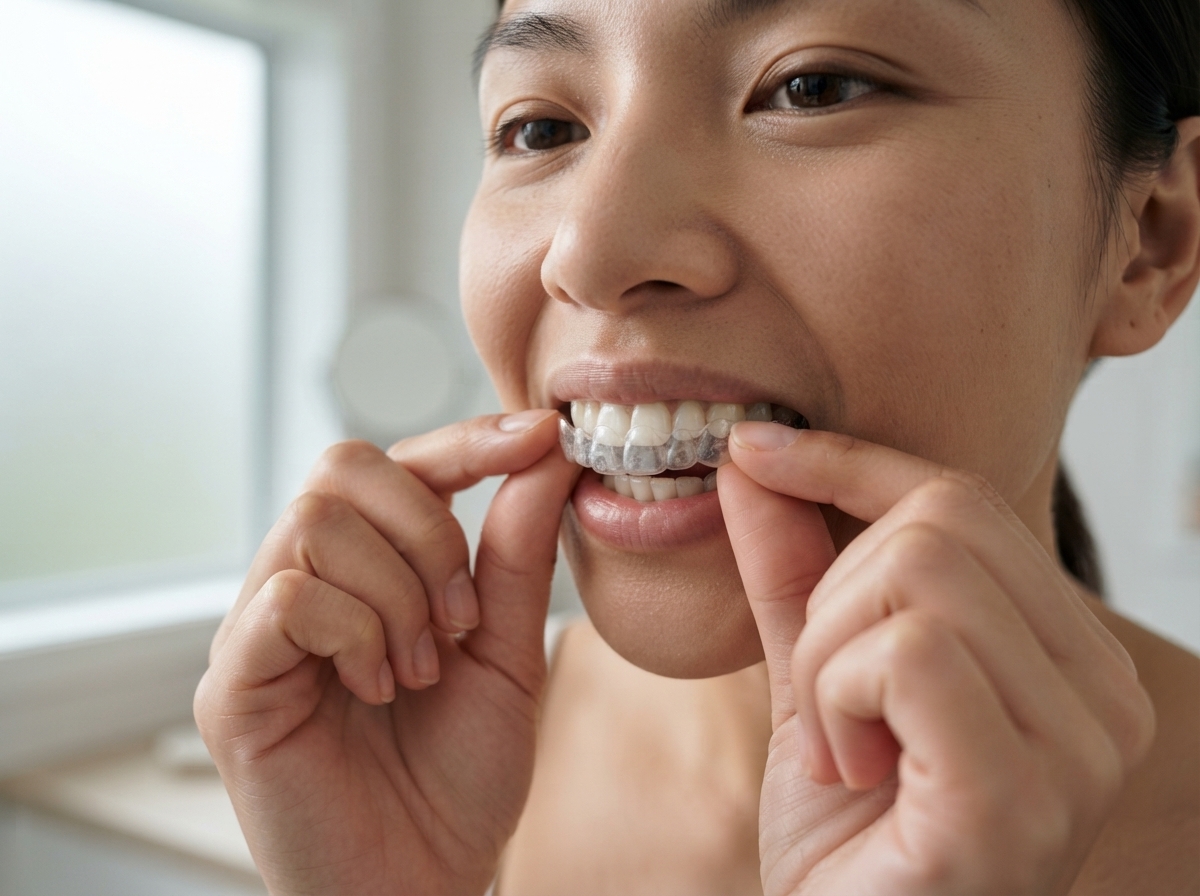
Invisalign uses a series of custom, clear, removable aligners that gradually shift your teeth into position. Because they are nearly invisible and can be taken out to eat, brush, and floss, Invisalign tends to appeal strongly to adults and image-conscious teens who want results without the look of metal brackets.
The tradeoff is that Invisalign requires discipline. Aligners need to be worn the recommended number of hours per day to stay on track, and because they are removable, success depends partly on patient consistency, unlike braces, which stay in place regardless.
Traditional Braces: Fixed, Predictable, and Often More Versatile
Traditional braces use brackets and wires that stay on your teeth throughout treatment, applying continuous, controlled pressure. This fixed nature makes braces particularly effective for more complex bite issues, including certain rotations or movements that aligners alone may not fully address.
Because braces are not removable, there is no risk of forgetting to wear them, though some patients find the appearance and dietary restrictions, like avoiding certain sticky or hard foods, to be a bigger adjustment.
How to Actually Decide
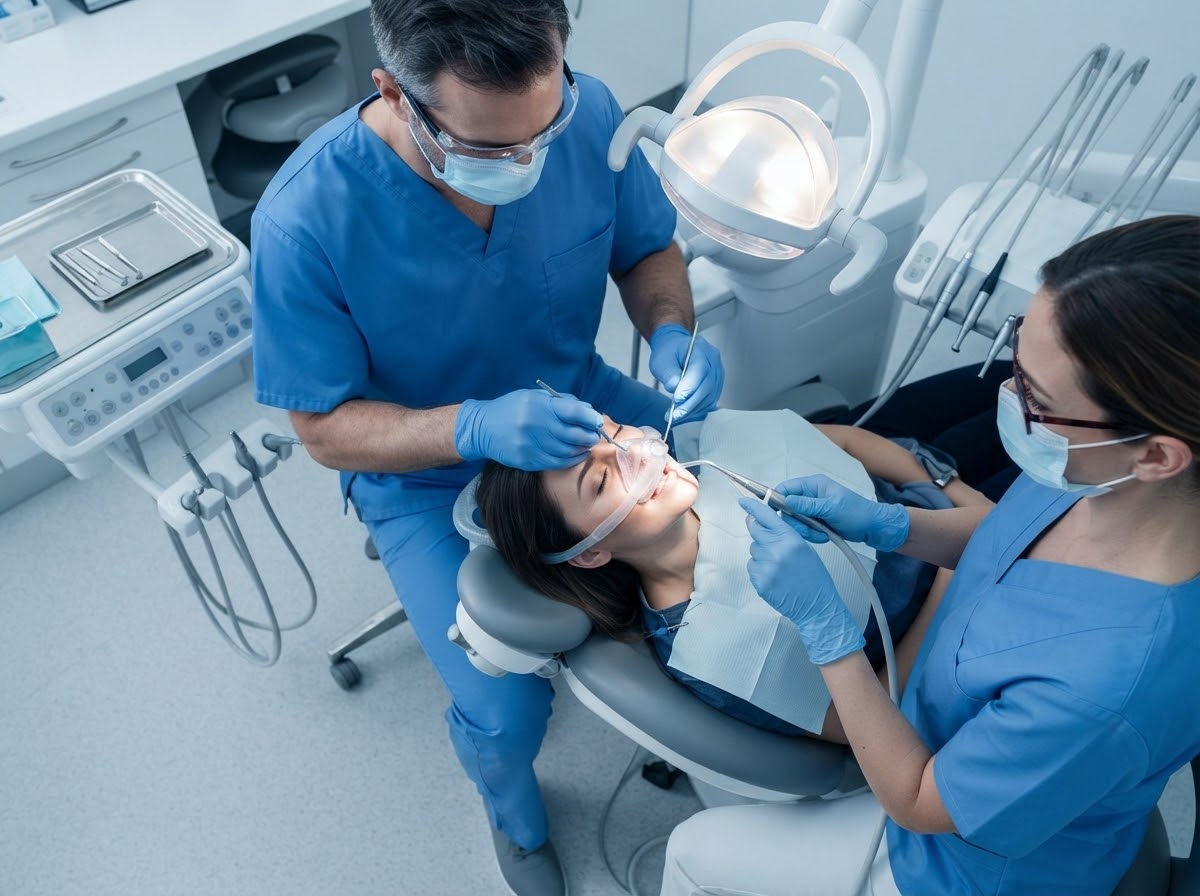
A few honest questions can help point you in the right direction. Do you want your treatment to be as visually discreet as possible? Invisalign is likely worth prioritizing. Are you managing a more complex bite issue, or concerned about staying consistent with removable aligners? Traditional braces might be the more predictable path. Either way, the right answer depends on your actual bite, which is why an evaluation matters more than a personal preference alone.
What About Cost and Timeline?
Both options vary in cost and treatment length depending on the complexity of your case, not simply which option you choose. Some cases move faster with one option over the other, which is exactly why this gets discussed individually during your consultation rather than quoted generically online.
Frequently Asked Questions
Is Invisalign always faster than braces?
Not necessarily. Treatment time depends on the complexity of the case, not solely on which option is chosen.
Can I switch from braces to Invisalign partway through treatment?
In some cases, yes, though it depends on where you are in your treatment plan. This is worth discussing directly with your orthodontic provider.
Which option is better for teenagers?
It depends on the individual teen's responsibility level, since Invisalign requires consistent wear, while braces do not rely on patient compliance in the same way.
Do I have to decide between the two today?
Not at all. Our job during a consultation is to walk through the pros and considerations of each so you can make a confident decision on your own timeline.
Let's Find Your Best Fit
Neither option is universally "better," only better suited to specific bites and lifestyles. The fastest way to find clarity is a real conversation, not more time spent comparing options online.
Not sure whether Invisalign or braces is right for you? Schedule a consultation with our North Hollywood team and let's figure it out together.