For decades, straightening your teeth meant one thing: metal brackets, wires, and a visible commitment lasting two years or more. Clear aligners changed that. But the honest clinical reality is that neither option is universally better. They are different tools, each with situations where it clearly outperforms the other.
Choosing well means understanding what each system actually does, where each one struggles, and being assessed by someone qualified to tell you the difference.
Key Factors to Consider When Choosing Between Aligners and Braces
1. Understanding How Each System Moves Teeth
Traditional braces use brackets bonded to each tooth connected by an archwire. Because the bracket is fixed and the wire applies continuous force in three dimensions, an orthodontist has extremely precise control over tipping, rotating and moving roots. The system works twenty-four hours a day regardless of patient cooperation.
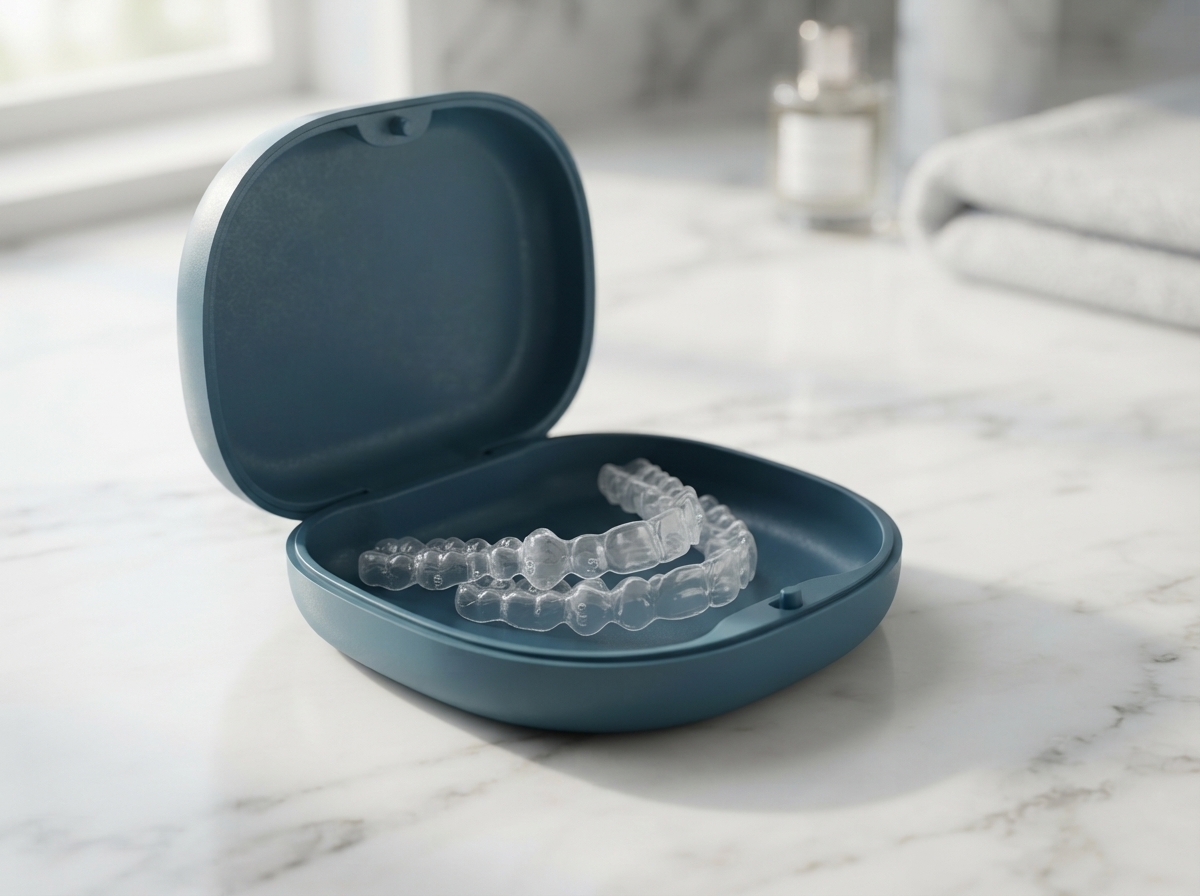
Clear aligners use a sequence of transparent trays applying gentle pressure that moves specific teeth a fraction of a millimeter. You progress to the next tray every one to two weeks. Small tooth-colored attachments bonded to certain teeth give the aligner something to grip, and interproximal reduction, polishing tenths of a millimeter of enamel between teeth, creates space where crowding is significant.
2. Where Each Option Genuinely Performs Better
- Aligners excel at: crowding and spacing, mild to moderate rotations, relapse after previous orthodontics, and many bite corrections.
- Braces perform better for: severe rotations of round-rooted teeth, large vertical movements, complex extraction cases, and situations requiring substantial root control.
- Neither option resolves: jaw discrepancies requiring surgical correction. That distinction is skeletal rather than dental, and x-rays determine which you have.
A practice offering both has no commercial reason to steer you. A practice offering only aligners has no incentive to tell you braces would work better.
3. The Lifestyle Differences Are Substantial
- Visibility: Aligners are nearly invisible; braces are openly visible throughout treatment.
- Removability: Aligners come out for meals and cleaning; braces stay on continuously.
- Food restrictions: Aligners impose none. Braces rule out hard, sticky and chewy foods.
- Daily hygiene: Aligners allow normal brushing and flossing. Braces require threaders and more time.
- Appointment frequency: Aligners every six to ten weeks; braces every four to six.
- Dependence on compliance: Aligners depend heavily on you; braces barely at all.
That last point determines outcomes more than any other. Aligners must be worn twenty-two hours a day. At eighteen or nineteen hours, teeth stop tracking, trays cease fitting properly, and treatment stretches out by months.
4. Cost and Duration Are Closer Than People Assume
In the Los Angeles market, clear aligner treatment typically runs $3,500 to $7,500, while traditional braces run roughly $3,000 to $7,000. Case complexity drives the figure far more than the system chosen.
Duration follows the same pattern. Minor crowding may resolve in four to six months with either approach. Moderate cases run nine to fifteen months. Full bite correction can take eighteen to thirty months regardless of system, because teeth move through bone at a biological rate.
One point many patients miss: a great many PPO plans carry a lifetime orthodontic benefit, commonly $1,000 to $2,500, and it usually applies equally to aligners and braces. FSA and HSA funds cover orthodontic treatment as well.
Everyday Real-Life Scenarios: Matching the Method to the Patient
Scenario A: The Professional Who Presents Daily
A patient in their thirties works in a client-facing role and is self-conscious about visible orthodontics. Their case involves moderate crowding with no skeletal complication, well within what aligners handle predictably. Treatment completes in about fourteen months without anyone at work realizing they were in treatment.
Scenario B: The Case Where Braces Were the Right Call
Another patient requests aligners for a case involving severely rotated premolars and two planned extractions requiring substantial root movement. Aligners could attempt it, but predictability would be poor. The recommendation is fixed braces, which complete the case efficiently and precisely.
Scenario C: The Relapse Case
A patient had braces as a teenager, stopped wearing their retainer, and twenty years later their lower front teeth have crowded again. This is among the most common cases treated, usually finishing in four to eight months with aligners. The lesson carried forward: retainers are worn indefinitely.
Frequently Asked Questions About Orthodontic Options
Q1: Is one option faster than the other?
A: Not inherently. Treatment time is driven by how far your teeth need to move, not by which appliance moves them. Simple cases finish in four to six months with either system; complex bite corrections take eighteen months or more regardless.
Q2: Do clear aligners hurt less than braces?
A: Most patients report aligners as more comfortable overall, largely because there are no brackets or wires to irritate the cheeks and lips. Both systems produce tightness when force is newly applied, typically lasting a day or two.
Q3: What happens if I lose an aligner?
A: Keep your previous set until the new one is fully settled, and go back to the previous tray if the current one is lost. Then contact the office promptly. The most common way aligners are lost is being wrapped in a napkin at a restaurant and thrown away.
Q4: Will I need a retainer either way?
A: Yes, indefinitely, regardless of which system straightened your teeth. Teeth have a memory and will drift back if unretained. Anyone suggesting retainers are optional is setting you up to pay for orthodontic treatment twice.
Why Choose NoHo Dental Group for Orthodontic Care?
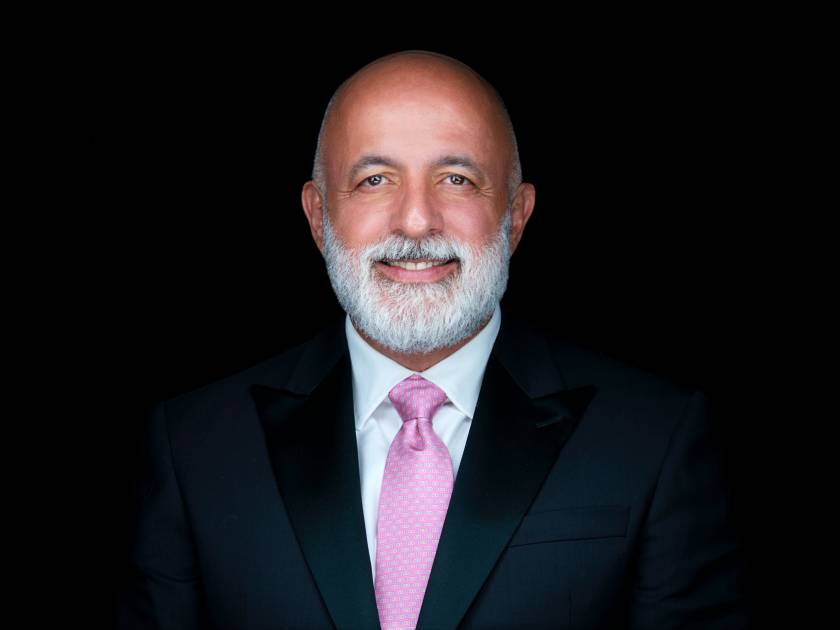
At NoHo Dental Group on Chandler Blvd, orthodontic treatment is planned and supervised by Dr. Allen Jacobson, DDS, MDS, a trained orthodontist who completed years of specialty education beyond dental school.
Why North Hollywood Patients Trust Us:
- Both Options Genuinely Available: We provide clear aligners and traditional braces, so our recommendation reflects your clinical situation.
- Specialist-Led Treatment: Your plan is designed and monitored by an orthodontist with an MDS.
- Whole-Mouth Assessment First: Gum health and decay are evaluated before any tooth is moved, with a periodontist on site.
- Refinements and Retainers Included: No unexpected invoice late in treatment.
Contact our friendly team today to schedule your consultation.