The phrase long in the tooth exists for a reason. As gum tissue pulls back from the crown of a tooth, more of the root becomes visible, and the tooth appears longer than it once did. Most patients notice it gradually, comparing an old photograph, or realizing that a tooth which never used to react to cold now sends a jolt through them.
Gum recession is extremely common and it does not reverse on its own. Tissue that has receded stays receded unless it is treated. The good news is that recession can almost always be stopped, its cause corrected, and in many cases the lost coverage surgically restored.
Key Factors to Understand About Gum Recession
1. There Are Several Different Causes
Treating recession effectively depends entirely on identifying what caused it:
- Periodontal disease: bacterial infection destroys supporting bone and tissue, and the gum follows the bone downward.
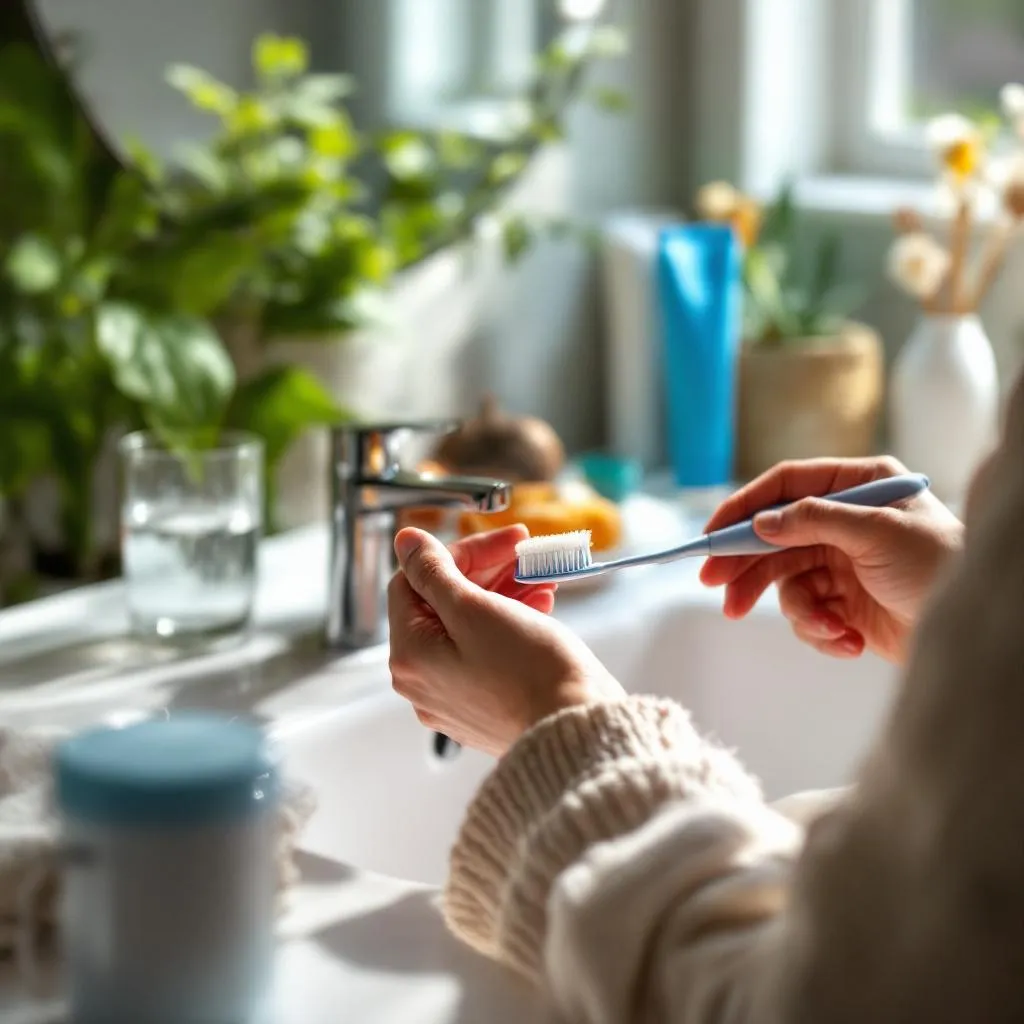
- Aggressive brushing: scrubbing hard with a firm-bristled brush abrades delicate tissue over years.
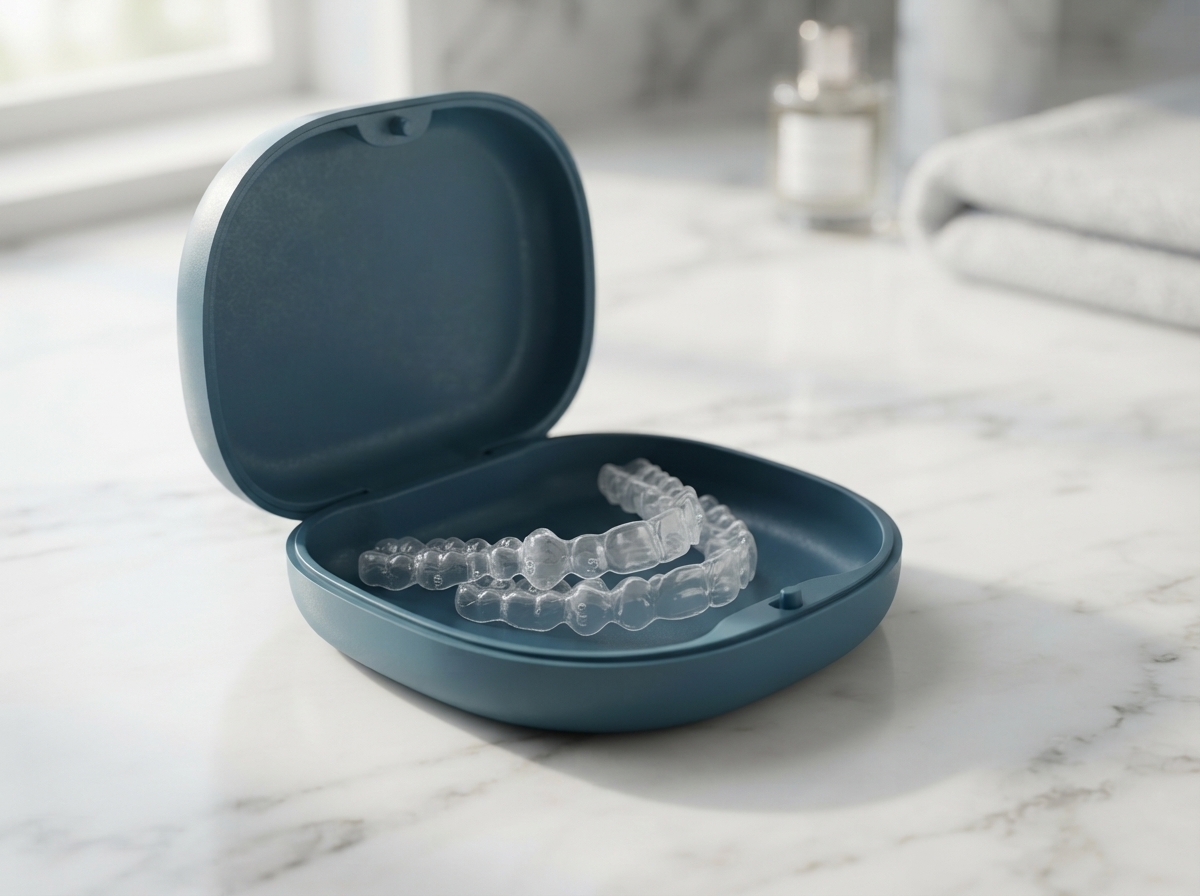
- Clenching and grinding: heavy forces flex the tooth at the gumline and contribute to tissue breakdown.
- Tooth position: a tooth sitting outside the arch has thin bone covering its root.
- Thin tissue biotype: some people inherit thinner, more fragile gum tissue.
- Oral piercings: lip and tongue jewelry rubbing against tissue is a frequent and overlooked cause.
Grafting a receded area without addressing the aggressive brushing that produced it simply produces recession again.
2. It Is Not Only Cosmetic
The root surface has no enamel. It is covered by cementum, which is considerably softer and far more vulnerable to decay and abrasion. Exposed roots develop cavities more readily and wear more quickly than crowns do. They are also the source of the sharp cold sensitivity many patients endure daily without realizing it has a treatable cause.
More significantly, recession is often the visible surface of bone loss underneath. Where recession accompanies periodontal disease, the tissue is retreating because the bone supporting the tooth is being lost, and that is a question of whether the tooth survives.
3. Treatment Ranges From Simple to Surgical
Monitoring and correction. For mild recession with an identifiable cause, correcting technique, switching to a soft brush, and treating clenching with a night guard may be enough to stop progression.
Desensitizing treatment. Fluoride varnish or bonding agents applied to exposed roots reduce sensitivity substantially and protect against root decay.
Periodontal therapy. Where recession stems from active gum disease, treating the infection is the priority. Stopping the disease stops the recession.
Gum grafting. A soft tissue graft covers the exposed root and restores a band of healthy attached tissue. This is the treatment that genuinely restores lost coverage.
4. Grafting Is More Comfortable Than Its Reputation
A gum graft is a routine periodontal procedure performed under local anesthesia, often taking under an hour for a single site. Tissue may be taken from the palate, or a donor tissue material may be used instead, the latter avoiding a second surgical site entirely and making recovery noticeably easier.
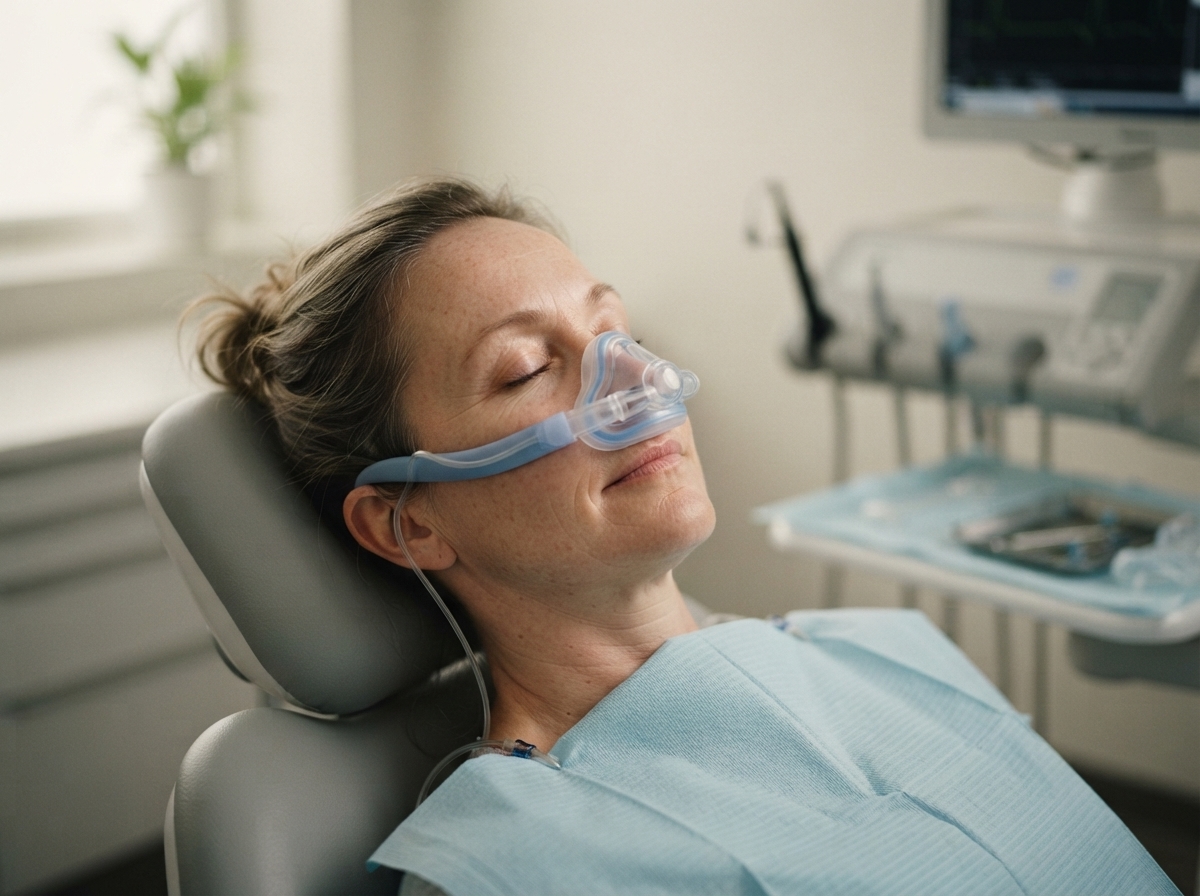
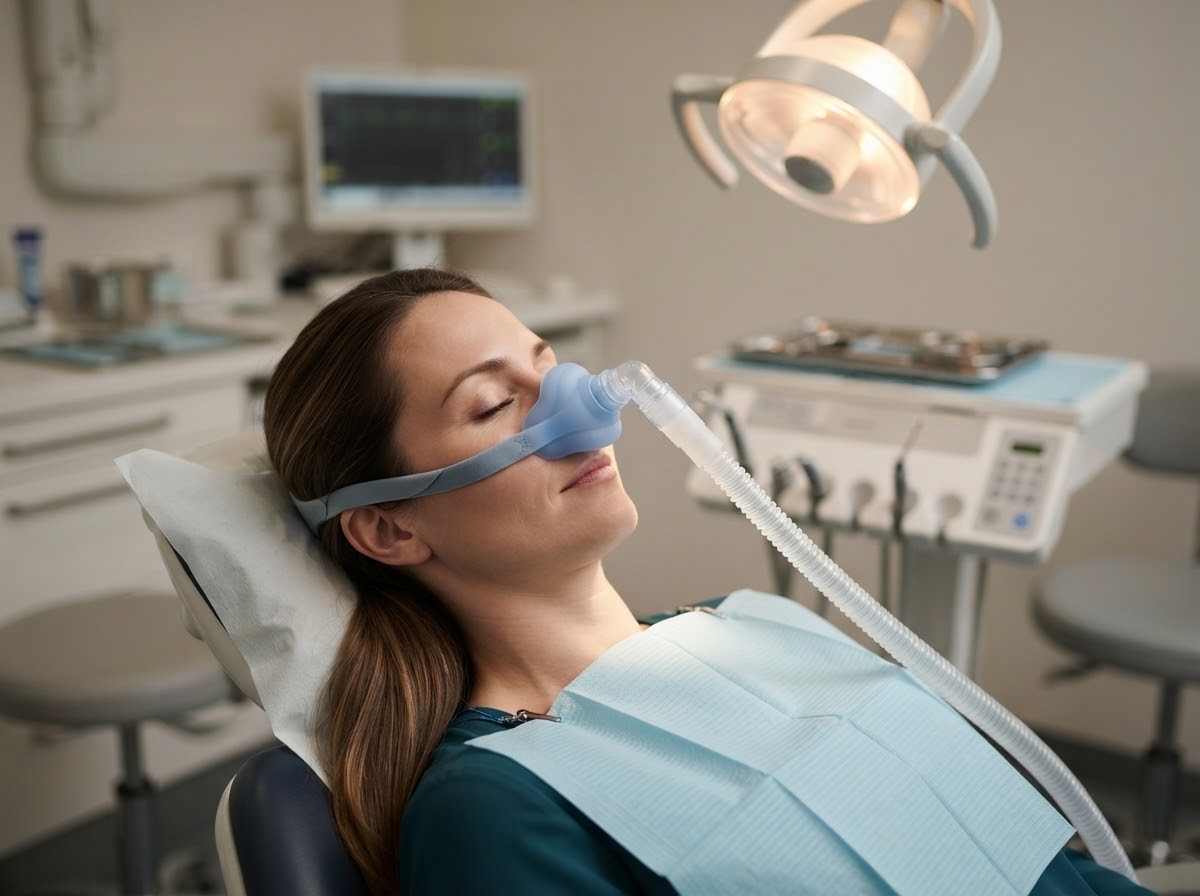
Recovery generally involves several days of tenderness, a soft diet for roughly a week, and avoiding brushing the treated area until healed. Sedation is available for those who prefer it.
Everyday Real-Life Scenarios: Why Timing Matters
Scenario A: The Early Catch
A patient in their thirties notices one lower front tooth looks slightly longer than its neighbors. Examination reveals two millimeters of recession caused by aggressive brushing with a hard-bristled brush. Technique is corrected, a soft brush provided, desensitizing treatment applied, and the site measured at each visit. Five years on, it has not progressed. No surgery was ever required.
Scenario B: The Sensitivity That Had a Cause
Another patient has avoided cold drinks for years, assuming they simply have sensitive teeth. Examination reveals four millimeters of recession across several teeth with exposed root surfaces. Grafting restores coverage at the worst sites, and the daily sensitivity that had shaped their eating habits for a decade resolves.
Scenario C: Recession as a Warning Sign
A third patient books about appearance, wanting their gumline evened out before a family event. Charting reveals the recession accompanies pockets of six millimeters and significant bone loss. Grafting alone would have treated a symptom while the underlying infection continued destroying support. The disease is treated and stabilized first.
Frequently Asked Questions About Gum Recession
Q1: Can gums grow back on their own?
A: No. Gum tissue that has receded does not regenerate spontaneously, and no toothpaste, rinse, or supplement will restore it. What can be done is stopping further recession by correcting its cause, and restoring lost coverage surgically through grafting.
Q2: Do I have to treat recession, or can I leave it?
A: It depends on cause and severity. Mild, stable recession with no periodontal disease and no sensitivity can reasonably be monitored, provided the cause has been corrected. Recession that is progressing, causing sensitivity, exposing roots to decay, or accompanying active gum disease should be treated.
Q3: How painful is a gum graft?
A: The procedure is performed under local anesthesia and is not painful during treatment. Afterward, expect tenderness for several days, particularly if tissue was taken from the palate. Using donor tissue avoids that second site and makes recovery considerably easier.
Q4: Will insurance cover gum grafting?
A: Frequently, yes, when there is documented functional need such as root exposure, sensitivity, progressive recession, or risk of root decay. Coverage is less likely when the procedure is purely cosmetic, which is why thorough charting and photographic records matter.
Why Choose NoHo Dental Group for Gum Recession Treatment?
Gum grafting is a periodontal specialty procedure. At NoHo Dental Group on Chandler Blvd, it is performed by Dr. Bijan Afar, a board-certified periodontist with a DDS and Master of Science in Oral Biology from UCLA and a research fellowship at the National Institutes of Health.
Why North Hollywood Patients Trust Us:
- Specialist-Performed Grafting: Soft tissue grafting is core periodontal surgery, performed here rather than referred out.
- We Identify the Cause First: Brushing technique, clenching, tooth position and periodontal status are all assessed before any surgical plan.
- Conservative When Appropriate: Not all recession needs surgery, and we will tell you when monitoring will hold the situation.
- Comfort-Focused Care: Donor tissue options eliminate the need for a second surgical site, and sedation is available.
If your teeth are looking longer or cold drinks have started to hurt, contact our friendly team today.