
When you lose a tooth, you generally face two serious options for replacing it: a fixed bridge anchored to the teeth either side, or a dental implant placed directly into the jawbone. Both restore your ability to chew and both look natural. They are, however, fundamentally different approaches with different costs, timelines and long-term consequences.
Much of the advice available online is written by practices that favor one option, which makes an even-handed comparison hard to find.
Key Factors to Consider When Replacing a Missing Tooth
1. Why the Gap Should Not Simply Be Left
- The teeth either side tilt into the gap, altering your bite and creating angles that trap plaque.
- The opposing tooth over-erupts, drifting into the empty space until it interferes with how your teeth meet.
- Chewing forces redistribute onto fewer teeth, accelerating wear and cracks elsewhere.
- The jawbone in the gap resorbs, because nothing is stimulating it any longer.
This happens gradually over years, which is why it is easy to postpone. The practical consequence is that a simple gap becomes a complicated case, since drifted teeth often need orthodontic correction before they can be restored properly.
2. What Each Option Actually Involves
A traditional bridge requires preparing the teeth on either side of the gap, cutting them down to receive crowns, which then carry the replacement tooth as a single fused unit. It takes two appointments over roughly two to four weeks and involves no surgery.
An implant is a titanium post placed surgically into the jawbone, which fuses with the bone over three to six months before a crown is attached. It requires surgery and considerably more time, but touches no other teeth.
3. The Honest Comparison
- Treatment time: bridge two to four weeks; implant three to nine months.
- Surgery required: bridge no; implant yes.
- Healthy teeth altered: bridge requires permanently cutting down two healthy teeth; implant touches none.
- Bone preservation: a bridge does not stimulate the bone in the gap; an implant does.
- Typical lifespan: bridge eight to fifteen years; implant frequently twenty years or more.
- Typical cost: three-unit bridge $2,500 to $5,500; single implant $3,500 to $6,500.
- Cleaning: a bridge requires a floss threader or water flosser beneath the replacement tooth; an implant is flossed normally.
- Insurance coverage: bridges are usually covered as major work at around fifty percent; implant coverage is frequently limited or excluded.
The clinical summary: for a single missing tooth with healthy neighbors, an implant is generally the better long-term decision. It preserves bone, lasts longer, and does not sacrifice two healthy teeth.
But the case for a bridge is real. It is often better when the adjacent teeth already need crowns anyway, when bone volume is insufficient and you would rather avoid grafting, when a medical condition makes surgery inadvisable, or when timeline and insurance coverage are decisive.
4. Cleaning Determines How Long a Bridge Lasts
A bridge is fused, so ordinary floss cannot pass between the units. Plaque accumulates beneath the replacement tooth and at the crown margins, and that is how bridges fail, not by breaking but through decay developing in the supporting teeth.
You will need a floss threader, superfloss or a water flosser, used daily. A well-cleaned bridge lasts fifteen years; a neglected one fails in five, and when it fails you can lose the supporting teeth too.
Everyday Real-Life Scenarios: Choosing Well
Scenario A: Where the Bridge Made More Sense
A patient is missing a lower molar, and both adjacent teeth already have large failing fillings that need crowning regardless. Since those teeth require full coverage anyway, a bridge sacrifices nothing that was not already being restored. It is completed in three weeks at a lower cost with better insurance coverage.
Scenario B: Where the Implant Was Worth the Wait
Another patient is missing a single upper premolar, with entirely healthy, unrestored teeth either side. Choosing a bridge would mean cutting down two pristine teeth to replace one. The implant takes five months rather than three weeks and costs somewhat more, but no healthy tooth structure is lost and the bone is preserved.
Scenario C: The Failure That Spread
A third patient has had a bridge for nine years and has never used a floss threader beneath it. Decay develops in one supporting tooth and progresses until that tooth cannot be saved. The entire bridge must be replaced, and the solution becomes considerably more complex than the original bridge.
Frequently Asked Questions About Bridges and Implants
Q1: Which option should I choose?
A: For a single missing tooth with healthy neighboring teeth, an implant is usually better long-term. A bridge is often better when those neighbors already need crowns, when bone is insufficient, when surgery is medically inadvisable, or when time and insurance coverage are decisive.
Q2: Why is the implant more expensive if the bridge replaces three teeth?
A: The implant fee covers surgical placement, the implant itself, an abutment, the crown and the imaging behind it. The gap narrows considerably once you account for a bridge typically needing replacement every eight to fifteen years while an implant frequently lasts decades.
Q3: How long does an implant take from start to finish?
A: Generally three to nine months. The implant must fuse with the bone before a crown can be loaded onto it, and that biological process cannot be rushed. A temporary replacement can usually be provided so you are not left with a visible gap.
Q4: Will insurance cover either option?
A: Bridges are usually covered as major work at around fifty percent, though a three-unit bridge will typically exhaust an annual maximum on its own. Implant coverage varies far more widely. Benefits should be verified specifically before you decide.
Why Choose NoHo Dental Group for Tooth Replacement?
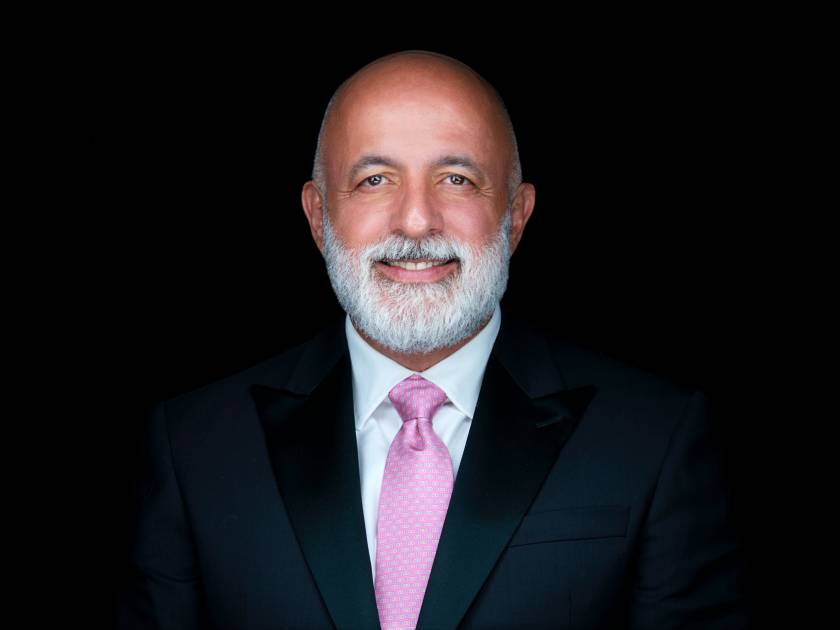
At NoHo Dental Group on Chandler Blvd, we place both bridges and implants, which means we have no commercial reason to steer you toward either. Implants are placed by Dr. Bijan Afar, a board-certified periodontist and implant specialist.
Why North Hollywood Patients Trust Us:
- Neutral Recommendations: Because we provide both treatments, our advice reflects your mouth rather than our schedule.
- Specialist Implant Placement: Dr. Afar specialty training covers the surgical placement of implants and the bone and gum tissue supporting them.
- Supporting Teeth Properly Assessed: Bone levels and vitality are evaluated before committing two healthy teeth to carrying a bridge.
- You Are Taught to Clean It: Every bridge patient leaves knowing how to clean beneath it and with the tools to do so.
Contact our friendly team today.