

If the thought of a dental appointment tightens your chest, you are neither unusual nor being difficult. A substantial share of adults avoid dental care because of fear, and many have gone years without being seen because of it. The anxiety is often entirely rational, since it usually traces back to a specific bad experience.
Sedation dentistry exists precisely for this. It allows you to receive the treatment you need while relaxed and drowsy, and in most cases remembering very little of it afterward.
Key Factors to Understand About Sedation Dentistry
1. Sedation and Numbing Do Two Different Jobs
Local anesthetic manages pain. It numbs the specific tooth and surrounding tissue so the procedure itself is not felt.
Sedation manages anxiety. It changes how you feel about what is happening, not whether the area is numb.
You will still be properly numbed under sedation. What sedation changes is that you will not mind, and most likely will not remember, including the injection itself, which for many anxious patients is the single part they dread most.
2. Nitrous Oxide: The Lightest Option
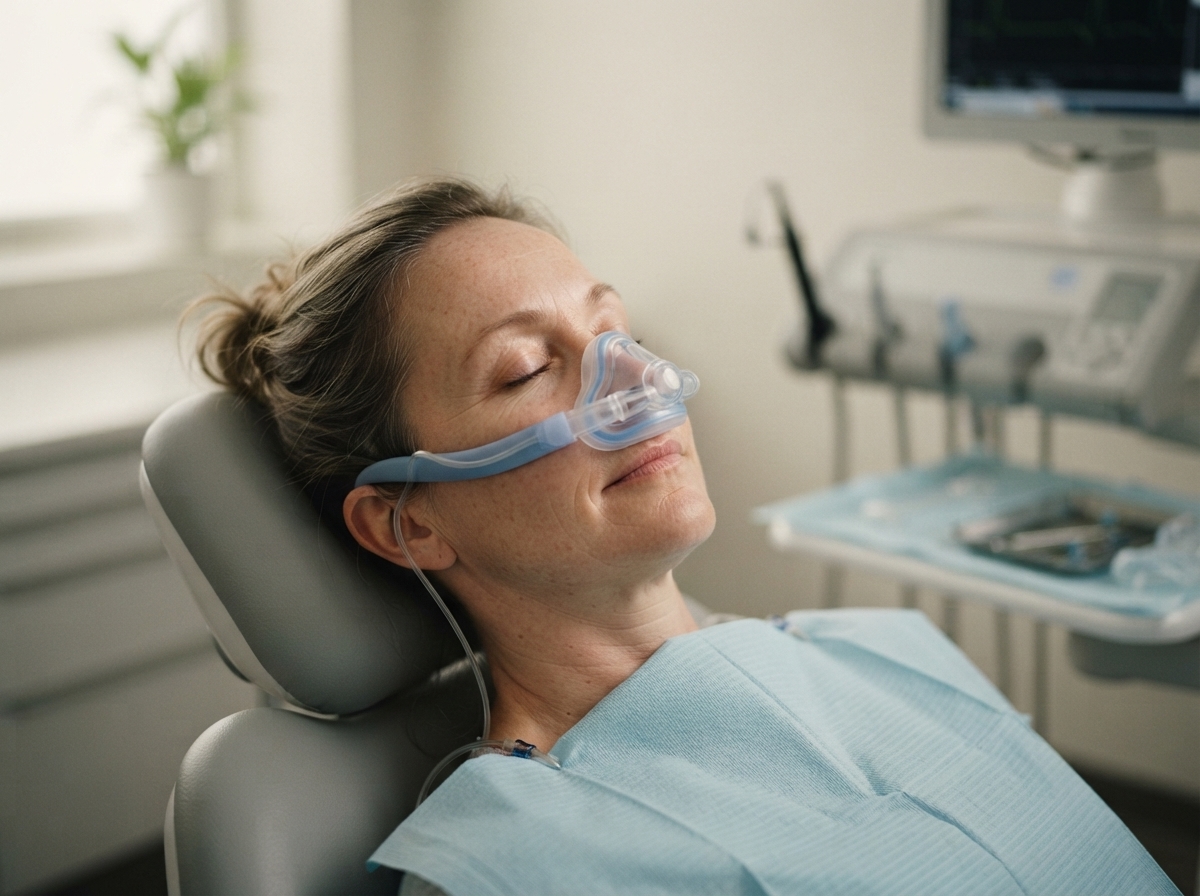
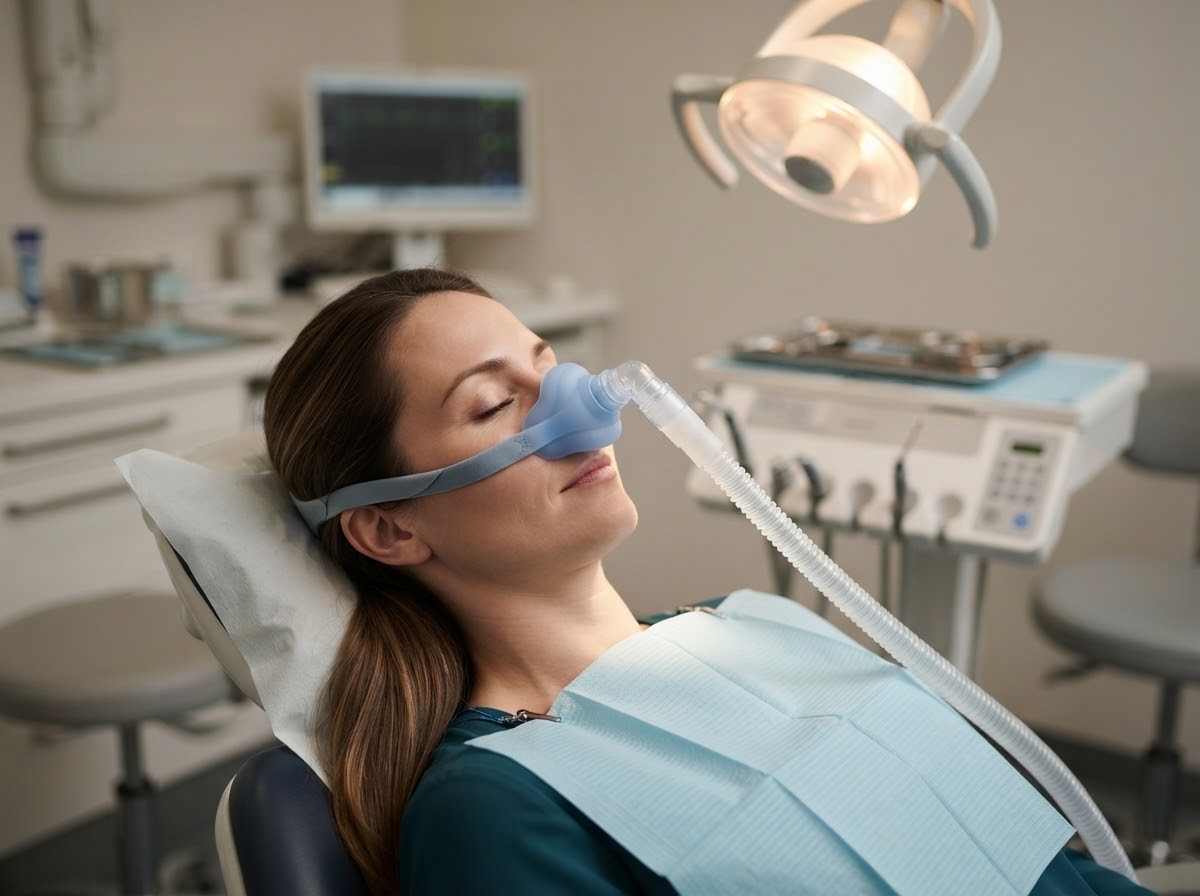
Nitrous oxide, commonly called laughing gas, is a blend of nitrous oxide and oxygen breathed through a small mask over the nose. It takes effect within about five minutes and produces a warm, floaty, pleasantly detached calm. You remain fully awake and able to talk throughout.
Its major practical advantage is how quickly it clears. Within roughly five to ten minutes of the mask being removed it is out of your system, which means you can drive yourself home and return to work the same day. It suits mild to moderate anxiety, a strong gag reflex, and routine treatment such as fillings and cleanings.
3. Oral Conscious Sedation: For Deeper Anxiety
Oral sedation involves a prescription tablet taken roughly an hour before your appointment. You remain technically conscious and able to respond, but deeply relaxed and drowsy. Most patients retain little or no memory of the procedure.
The practical requirements are stricter. You will need someone to drive you both ways, and you should not work, drive or make significant decisions for the remainder of the day. It suits moderate to severe anxiety, longer appointments, and surgical treatment. It is also the option that allows several procedures to be combined into a single visit.
4. Safety Depends on Proper Screening and Monitoring
A complete medical history comes first: every medication, supplement and condition, plus any history of sleep apnea. Certain medications interact with sedatives, which is exactly why the questions are detailed.
During treatment, oxygen saturation, pulse and blood pressure are monitored continuously by a team member whose responsibility during your appointment is watching you. Reversal agents and emergency equipment are kept on site.
Honest screening also means being told when sedation is not appropriate. Certain respiratory conditions, untreated sleep apnea, pregnancy and some cardiac conditions rule out oral sedation. It is worth being clear about what conscious sedation is not: it is not general anesthesia. You are not unconscious, not intubated, and you continue breathing on your own throughout.
Everyday Real-Life Scenarios: What Sedation Makes Possible
Scenario A: The Gag Reflex That Prevented X-Rays
A patient has a gag reflex severe enough that routine x-rays and impressions have been impossible for years, meaning nothing could be properly diagnosed. Nitrous oxide suppresses the reflex sufficiently for a complete set of images in a single visit. The problem was never willingness, it was a physical reflex with a straightforward solution.
Scenario B: Eight Years of Avoidance
Another patient has not been seen in eight years following a painful experience elsewhere. Their first appointment involves no treatment at all, just a conversation. A plan is built to combine the necessary work into two sedated visits rather than seven separate ones. They now attend routine cleanings without sedation.
Scenario C: Combining Treatment to Reduce the Ordeal
A third patient needs periodontal treatment, a root canal and a crown preparation. Scheduled conventionally that is four or five appointments, each an anticipated ordeal. With a multi-specialty team in one practice, the work is combined into a single sedated visit. Fewer appointments meant lower overall cost and a treatment plan that was actually finished.
Frequently Asked Questions About Sedation Dentistry
Q1: Will I be unconscious?
A: No. Both nitrous oxide and oral sedation are forms of conscious sedation. You breathe on your own and can respond throughout. Most oral sedation patients simply have very little memory of the appointment afterward.
Q2: Can I drive myself home?
A: After nitrous oxide, yes. It clears within five to ten minutes and you can drive and return to work the same day. After oral sedation, absolutely not. You need a responsible adult to drive you both ways and ideally stay with you for a few hours afterward.
Q3: Does insurance cover sedation?
A: It varies. Coverage is more likely when sedation accompanies surgical treatment such as extractions or periodontal surgery, and less likely for routine work considered elective. Documented medical need improves the odds considerably.
Q4: I am embarrassed about how long it has been. What will happen?
A: You will be treated normally. How long it has been is genuinely uninteresting to a good clinical team, and the people who feel worst about it are rarely in the worst condition. Your first visit can be a conversation with no treatment at all.
Why Choose NoHo Dental Group for Anxious Patients?
At NoHo Dental Group on Chandler Blvd, dental anxiety is treated as a clinical fact to be managed rather than a character flaw to be commented on. Nobody here will lecture you about the gap since your last visit.
Why Anxious North Hollywood Patients Trust Us:
- A Judgment-Free Environment: You can tell us you are frightened, ask us to stop at any point, and bring someone with you.
- Stop Signals Agreed in Advance: You raise your hand, we stop. Every time.
- Everything Possible in One Visit: With four specialists under one roof, a single sedated appointment can cover treatment that would otherwise mean several separate ordeals.
- The Lightest Option That Works: We start with the mildest approach likely to be sufficient rather than defaulting to the deepest.
Mention when you book that you are anxious and we will note it on your file beforehand. Contact our friendly team today.