When most people think of aesthetic dental procedures, they picture bright white carpet-ready smiles, perfectly aligned enamel, and dramatic physical transformations. It is easy to view aesthetic treatments strictly through the lens of vanity or superficial appearance. However, one of the most remarkable advancements in modern healthcare is the powerful bridge between aesthetics and structural biology. Far beyond simply enhancing visual appeal, advanced cosmetic dentistry can actively reinforce weakened enamel, protect compromised teeth from future cracking, and restore optimal biting function. Modern bio-compatible materials do not just cover up imperfections; they integrate with your natural tooth structure to create a durable, highly protective shield. If you have been holding back on exploring aesthetic treatments because they seem purely decorative, here are 5 surprising facts about how modern restorations strengthen your smile while making it look extraordinary.
Fact #1: Porcelain Veneers Act Like Modern Armor for Vulnerable Teeth
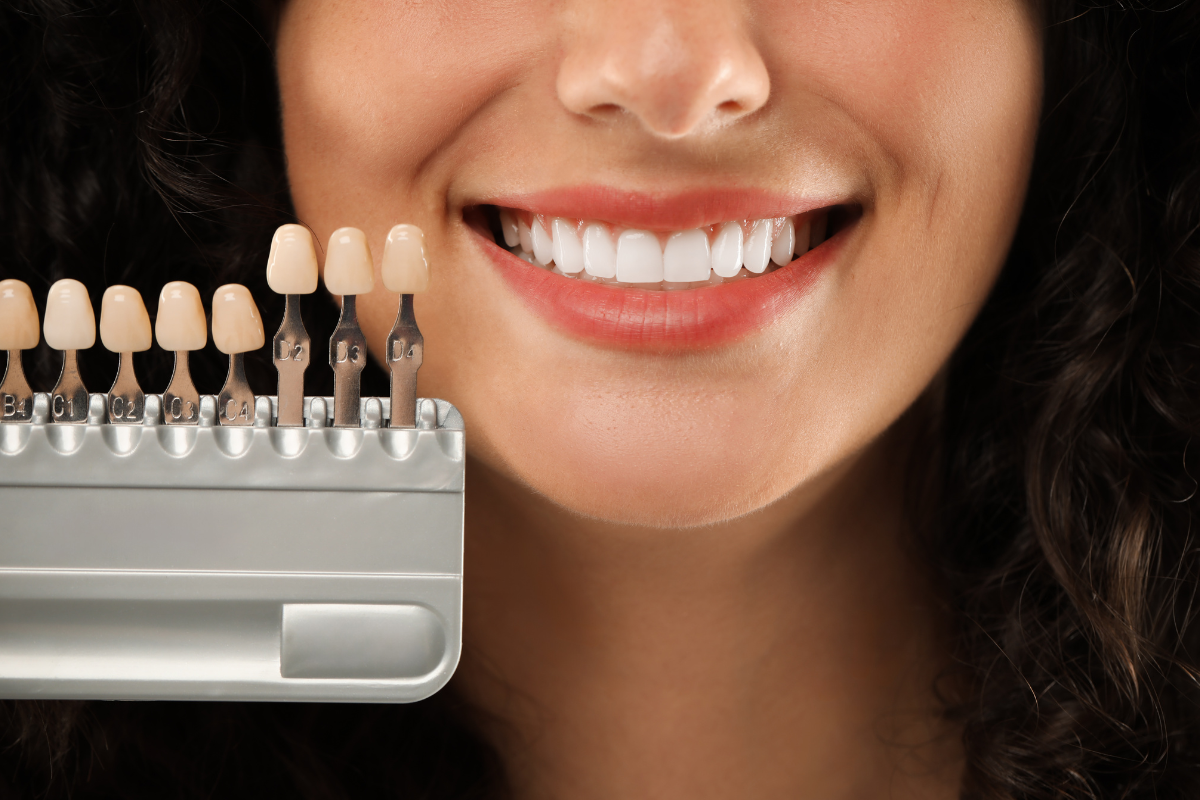
Many patients assume that getting porcelain veneers is a fragile, purely aesthetic process. In reality, high-grade dental porcelain is engineered to mimic both the light-reflecting qualities and the structural resilience of natural tooth enamel. How Veneers Reinforce Enamel: Over years of daily wear, enamel naturally thins due to acidic foods, aggressive brushing, or minor physical clenching. Thinning enamel exposes the sensitive underlying dentin, making teeth increasingly prone to micro-cracks, temperature sensitivity, and rapid bacterial decay. When custom porcelain veneers are bonded to the front surface of your teeth using advanced resin adhesives, they create a permanent, durable barrier. This structural bonding process distributes biting forces evenly across the tooth, preventing microscopic stress fractures from spreading into deeper tooth layers. By sealing the vulnerable front surface, porcelain veneers effectively stop enamel degradation in its tracks while delivering a flawless, stain-resistant appearance.
Fact #2: Aesthetic Restorations Seal Out Recurrent Bacterial Decay
Traditional silver amalgam fillings were the standard for decades, but they had a major structural drawback: metal expands and contracts in response to temperature changes from hot coffee or cold foods. Over time, this constant thermal movement creates microscopic gaps between the filling and the natural tooth, allowing destructive bacteria to seep underneath undetected. Modern tooth-colored composite restorations and porcelain inlays or onlays—cornerstones of comprehensive cosmetic dentistry—solve this structural issue through direct chemical bonding. The Biological Protection of Resin and Ceramic:
- Micro-Mechanical Bonding: Composite resins and ceramics bond directly to the tooth's remaining natural structure, forming a seamless, airtight seal.
- Bacterial Exclusion: By eliminating tiny microscopic gaps, modern aesthetic restorations prevent bacteria and food debris from penetrating deep into the tooth.
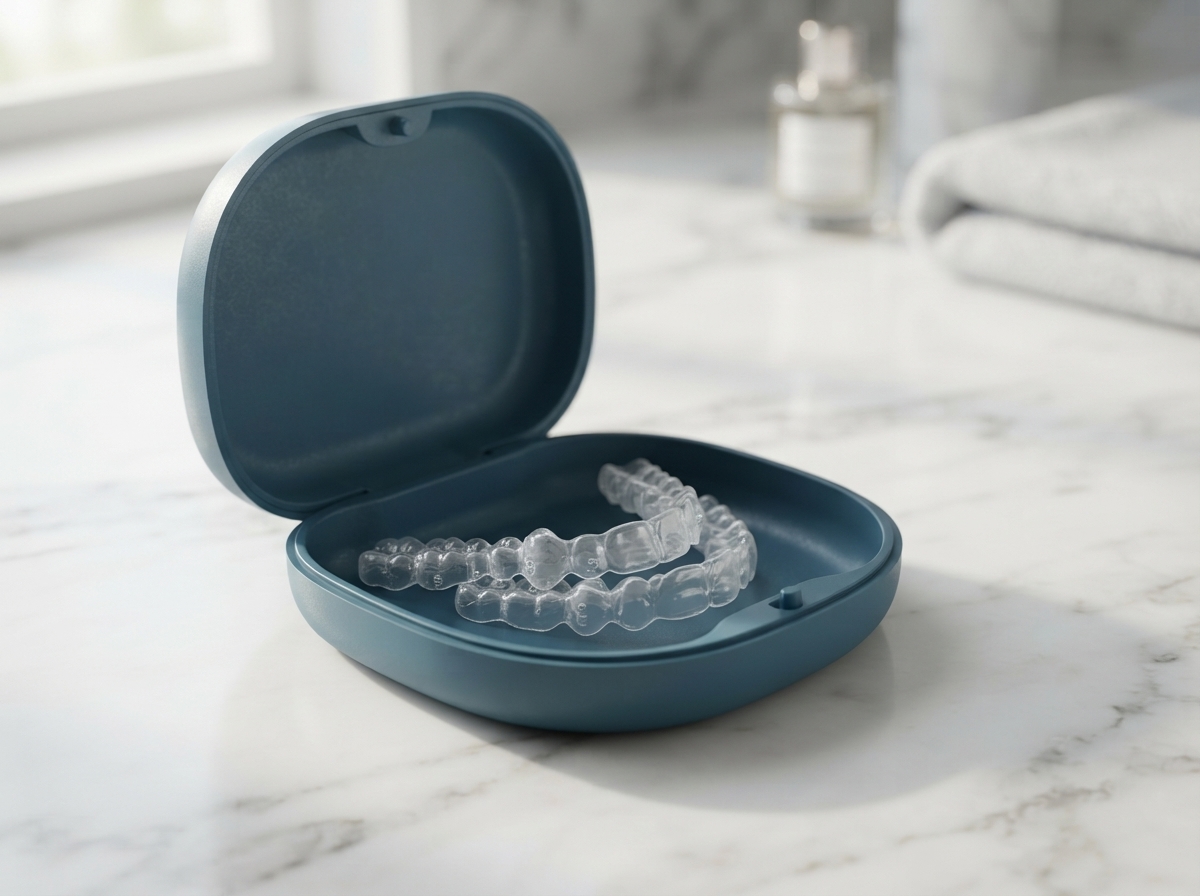
- Enamel Support: Rather than wedging inside a tooth like traditional metal fillings, bonded aesthetic restorations actually hold the remaining tooth walls together, significantly reducing the risk of a future tooth fracture. Fact #3: Aligning Your Smile Reduces Long-Term Enamel Erosion and TMJ Strain Uneven, crooked, or misaligned teeth are often viewed as a minor cosmetic frustration. However, misaligned teeth create uneven biting forces across your mouth. When certain teeth bear an unfair share of pressure during chewing, they wear down at an accelerated rate, chip prematurely, and put excessive strain on your temporomandibular joint (TMJ). Straightening your teeth with clear aligners or modern orthodontics is a prime example of functional cosmetic dentistry. Aligning your arch delivers profound structural benefits:
- Balanced Occlusion (Bite Force): Distributing chewing pressure evenly across all teeth prevents isolated enamel destruction and chipped edges.
- Easier Hygiene Maintenance: Overlapping or crowded teeth create tight bacterial traps that floss cannot easily reach. Straightening teeth allows your toothbrush and floss to glide effortlessly between surfaces, drastically reducing the risk of localized gum disease and interproximal cavities.
- Jaw Joint Relief: Properly aligned arches allow your jaw to sit in a neutral, relaxed position, mitigating painful TMJ symptoms, muscle tightness, and tension headaches. Fact #4: Custom Crowns Restore Structural Integrity After Trauma or Decay When a tooth loses a significant portion of its structure due to deep decay, repeated fillings, or an unexpected fracture, it loses its structural stability. Attempting to repair a severely compromised tooth with a basic, oversized filling creates a high risk that the natural tooth wall will break under normal chewing pressure. In these situations, a custom ceramic or porcelain-fused-to-zirconia crown offers the ultimate blend of aesthetic beauty and physical reinforcement. Zirconia and high-translucency ceramics engineered today possess incredible flexural strength, rivaling natural tooth structure. A custom crown fits completely over the remaining tooth down to the gumline, functioning as a protective helmet. This encircling effect—known in restorative medicine as the "ferrule effect"—absorbs heavy biting forces and prevents the natural tooth root from splitting, keeping your natural root securely anchored in your jawbone.
Fact #5: Tooth Replacement Options Prevent Bone Loss and Facial Collapse
A missing tooth is far more than a gap in your smile—it initiates a silent, destructive biological chain reaction. When a tooth root is lost, the surrounding jawbone no longer receives the natural mechanical stimulation required to maintain its density. As a result, the jawbone in that area begins to shrink and resorb back into the body. Furthermore, neighboring teeth naturally drift toward the open space, throwing your entire bite out of alignment. Modern aesthetic replacements—specifically permanent dental implants topped with custom porcelain crowns—provide a comprehensive solution that restores both form and function. By placing a biocompatible titanium implant post into the jawbone, your care team replicates the function of a natural tooth root. This restores mechanical stimulation during chewing, effectively halting jawbone loss and preserving your facial structure. The custom porcelain crown attached to the top seamlessly blends with surrounding teeth, completing your bite while preventing neighboring teeth from shifting out of position.
Everyday Real-Life Scenarios: Aesthetics Meeting Biological Function
Scenario A: Worn Down Edges from Nighttime Clenching
Imagine waking up with sore jaw muscles and noticing that the edges of your front central teeth are becoming short, jagged, and thin due to stress-related nighttime grinding. While a mouthguard prevents further wear, it cannot restore the lost tooth structure. Utilizing aesthetic bonding or custom porcelain veneers, your care team restores the natural height and shape of your teeth, recreating a balanced bite guide that protects your back teeth during chewing while renewing your youthfully bright smile.
Scenario B: Replacing a Dark, Cracked Silver Filling
You have an old metal filling in a lower molar that looks dark and unattractive when you laugh or speak. During a checkup, digital intraoral imaging reveals hairline stress fractures radiating from the metal filling into the surrounding enamel. Replacing the failing metal with a custom ceramic porcelain onlay restores the tooth's natural shade, bonds the weakened walls back together, and prevents the tooth from splitting in half under chewing pressure.
Frequently Asked Questions About Aesthetic & Structural Dentistry
Q1: Is the enamel removal required for porcelain veneers harmful to my teeth? A: Modern veneer techniques are exceptionally conservative. Today's high-strength porcelains can be crafted paper-thin, requiring minimal surface enamel preparation—often less than a millimeter—to ensure a seamless fit. Removing a microscopic layer of enamel is a precise, safe process that allows the high-strength resin to bond permanently, leaving the underlying tooth structure completely healthy, protected, and strong. Q2: How does aesthetic dentistry differ from standard general dentistry? A: General care focuses primarily on basic maintenance, stopping active infection, and repairing basic cavities. Advanced aesthetic care integrates those vital health goals with high-level art, material science, and facial symmetry analysis. It ensures that every repair—whether a simple filling, custom crown, or full alignment plan—not only resolves health issues but also complements your natural facial features, tooth shape, and smile line. Q3: How long do modern aesthetic restorations last? A: With diligent daily home care (brushing and flossing) and routine six-month professional cleanings, modern composite bondings can last 5 to 7 years, while high-grade porcelain veneers and custom crowns frequently last 15 to 20 years or longer. Avoiding habits like chewing ice or using your teeth as tools ensures your restorations remain strong and pristine for decades. Q4: Can cosmetic procedures help with chronic tooth sensitivity? A: Yes! Tooth sensitivity often stems from exposed dentin, worn enamel, or receding gumlines. Procedures such as composite bonding, porcelain veneers, or protective ceramic crowns cover these vulnerable, exposed areas, sealing off the tiny microscopic tubules that lead to the tooth nerve and providing immediate, long-lasting relief from hot and cold temperatures.
Experience Artistry and Strength at NoHo Dental Group
If you are ready to enhance your smile's beauty while building a foundation of lasting biological strength, NoHo Dental Group is your trusted local destination. Conveniently located on Chandler Blvd, our modern facility combines state-of-the-art restorative technology with a compassionate, patient-first approach for families across North Hollywood, Valley Village, and Burbank. Why San Fernando Valley Patients Trust Our Aesthetic Expertise:
- Comprehensive Multi-Specialty Care: From gentle preventative cleaning & exam visits and professional teeth whitening to custom tooth veneers, orthodontics, root canal therapy, and permanent dental implants, we deliver total health and beauty solutions under one roof.
- Advanced Diagnostic Technology: We utilize low-radiation digital x-rays, high-definition intraoral camera tours, and 3D digital scanners to show you every detail of your smile, planning your care with absolute precision.
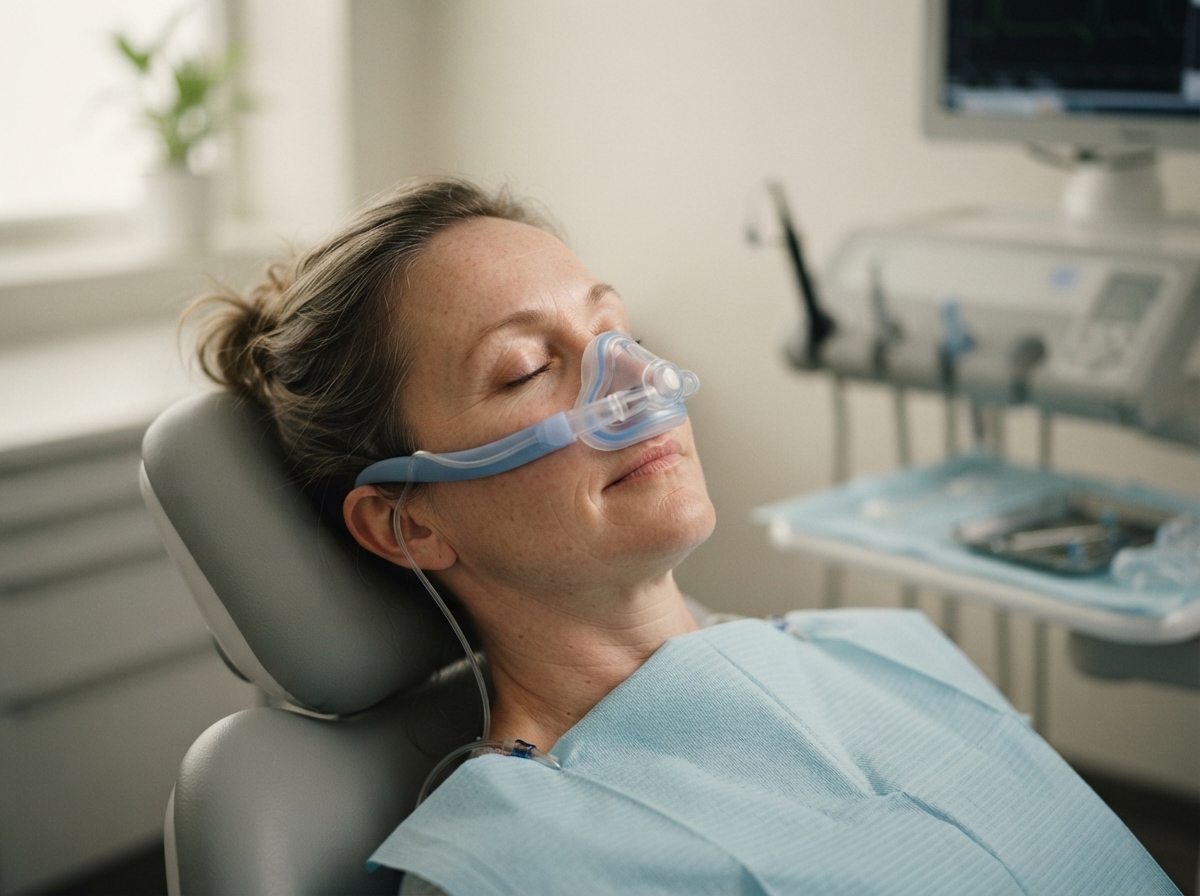
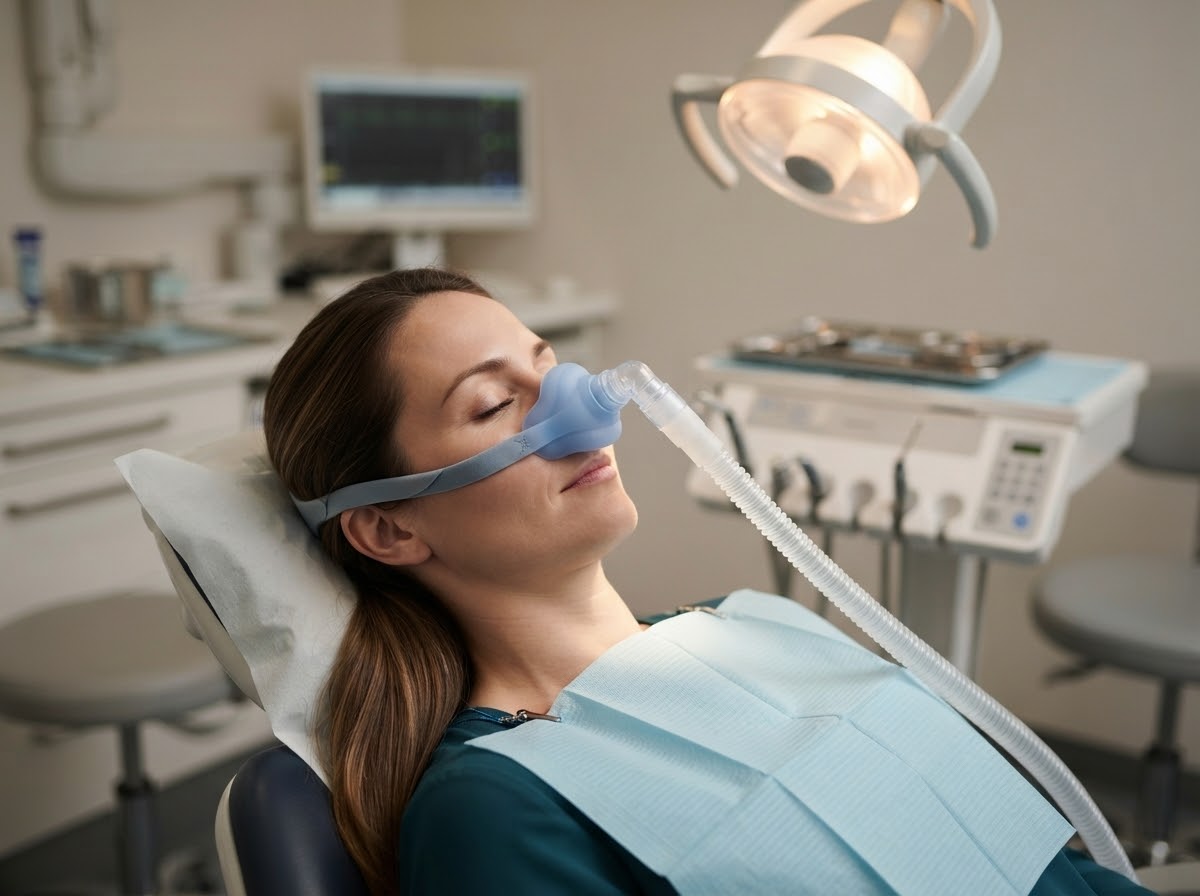
- Gentle, Stress-Free Environment: We specialize in caring for nervous or anxious patients, offering gentle topical numbing, open communication, and relaxing amenities to ensure every appointment is completely calm and comfortable.
- Honest, Transparent Guidance: We take the time to co-diagnose your smile with you, offering clear cost breakdowns and conservative, prioritized treatment options tailored to your personal goals and budget. Discover the powerful combination of physical strength and stunning aesthetics. Contact our friendly North Hollywood team today to schedule your comprehensive consultation!
Contact Information
- Practice Name: NoHo Dental Group
- Phone Number: (747) 339-7016
- Address: 11126 Chandler Blvd, North Hollywood, CA 91601
- Website: nohodentalgroup.com