Losing a tooth—whether due to severe decay, advanced gum disease, or unexpected physical trauma—impacts far more than just your self-confidence when smiling. It alters how you chew, changes your speech, and initiates a silent biological process of bone loss beneath your gums. When exploring options for tooth replacement in North Hollywood, dental implants consistently emerge as the gold standard of care. Marketed as a lifelong solution to tooth loss, many patients wonder: Are dental implants truly permanent, or will they need to be replaced down the road? To answer this question, we must examine clinical research, the biological mechanics of bone integration, and what science says about the long-term survival rates of modern implant restorations.
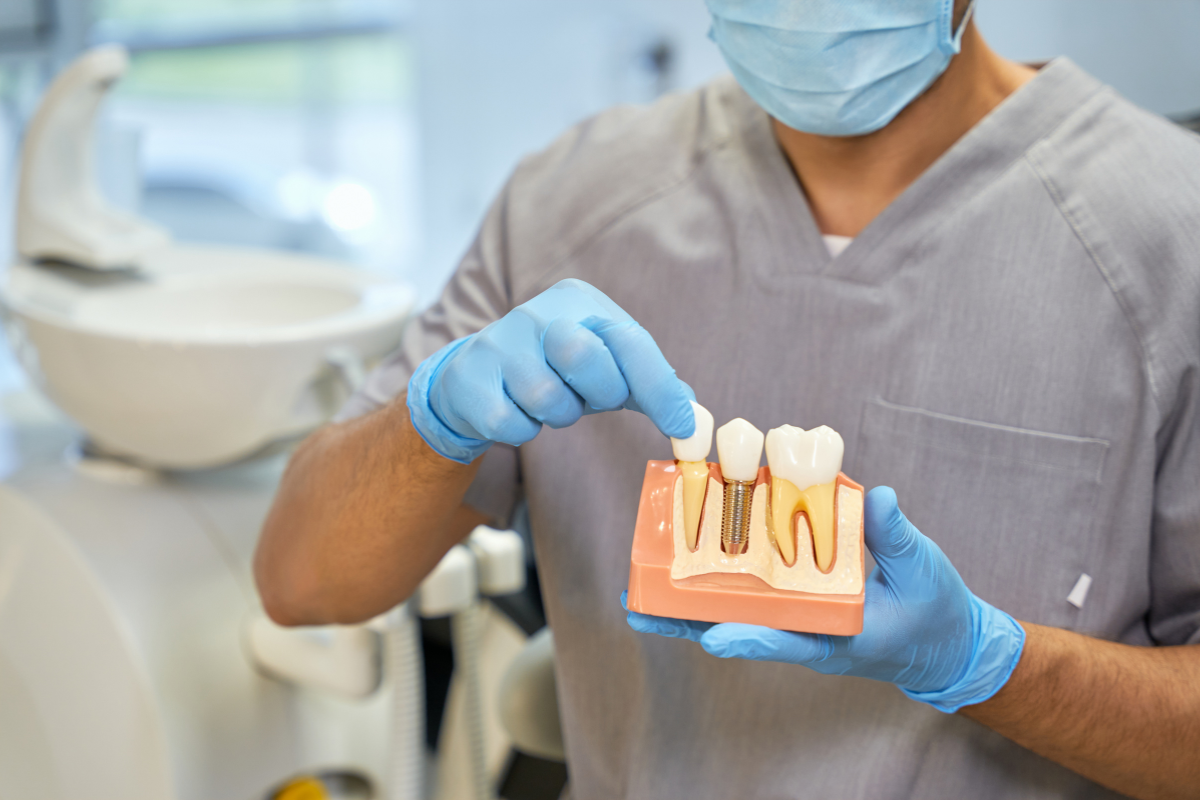
- Understanding the Anatomy: What Makes an Implant Unique? To understand the longevity of an implant, it helps to break down its structural components. Unlike removable dentures or traditional bridges that sit on top of the gums or rely on adjacent natural teeth for support, a complete implant restoration consists of three distinct parts:
- The Implant Post: A small, biocompatible screw made of medical-grade titanium or zirconia. This post is surgically placed directly into the jawbone, serving as an artificial tooth root.
- The Abutment: A durable connector piece attached to the top of the implant post that holds the final restoration securely in place.
- The Custom Restoration (Crown): The visible porcelain or ceramic tooth custom-crafted to match your surrounding teeth in color, shape, and size. When discussing whether an implant is "permanent," clinical literature distinguishes between the implant post in the jawbone and the porcelain crown attached on top. While the crown experiences daily chewing wear and may need maintenance or replacement after 15 to 20 years, the titanium implant post embedded in the jaw is engineered to last a lifetime.
- The Science of Osseointegration: Why the Post Fuses for Life The exceptional longevity of dental implants comes down to a biological process known as osseointegration. Discovered in the mid-20th century, osseointegration describes the unique ability of titanium to form a direct, structural bond with living human bone. When an implant post is surgically anchored in your jaw, surrounding bone cells grow directly into the microscopic surface texture of the titanium. What Clinical Studies Reveal About Long-Term Success:
- Overall Survival Rate: Extensive peer-reviewed clinical studies tracking implant patients over 10, 20, and 30-year periods consistently report success rates between 95% and 98%.
- Permanent Bone Preservation: Because the titanium post acts like a natural root, it transfers chewing forces into the jawbone. This mechanical stimulation signals your body to keep generating bone density, completely halting the bone loss (resorption) that naturally follows tooth loss. Once successful osseointegration occurs, the implant post effectively becomes a permanent part of your anatomy.
- Key Factors That Influence Implant Longevity While clinical science proves that implants have an unprecedented lifespan compared to traditional bridges or dentures, their ultimate permanence depends on several critical biological and behavioral factors:
A. Oral Hygiene and Peri-Implant Health
While a titanium implant post and porcelain crown cannot develop cavities, the living gum tissue and jawbone surrounding them remain vulnerable to bacterial infection. Peri-implantitis is an inflammatory condition similar to gum disease caused by plaque buildup around an implant. Left untreated, peri-implantitis degrades the supporting bone, which can cause an implant to loosen. Daily brushing, flossing, and routine professional cleanings are essential to keep the surrounding tissue healthy.
B. Bone Quality and Density
A successful implant requires a solid foundation of a healthy jawbone. Patients who have been missing teeth for years may experience jawbone thinning. In these cases, modern pre-treatment procedures—such as bone grafting or sinus lifts—rebuild the necessary bone structure to ensure the implant fuses permanently.
C. Systemic Health and Smoking
Certain medical conditions, such as uncontrolled diabetes or autoimmune disorders, can affect the body's natural healing abilities and osseointegration. Additionally, heavy tobacco use or smoking significantly reduces blood flow to the oral tissues, increasing the risk of early implant failure. Working closely with a multi-specialty clinical team ensures these risk factors are managed before procedure placement.
D. Bite Force and Bruxism (Teeth Grinding)
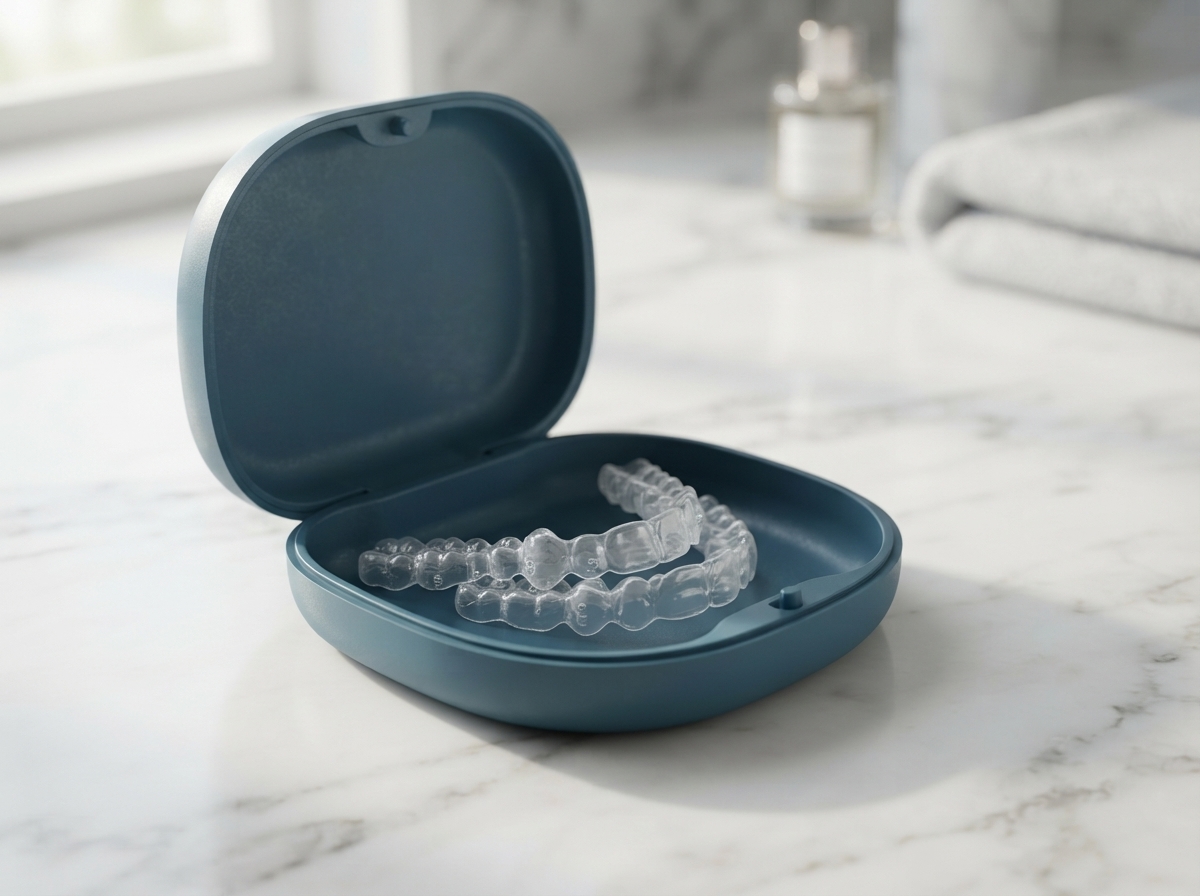
Severe, untreated nighttime clenching or grinding (bruxism) exerts extreme mechanical pressure on tooth restorations. While titanium posts can handle heavy forces, excessive grinding can wear down or chip the porcelain crown on top. Wearing a custom-fitted nightguard protects both your natural teeth and implant crowns from structural stress. 4. Dental Implants vs. Traditional Bridges: A Longevity Comparison When deciding how to replace a missing tooth, comparing long-term outcomes helps highlight why implants are considered the superior investment:
Feature
Dental Implants
Traditional Dental Bridges
Average Lifespan
Lifetime (post) / 15–20+ Years (crown)
7 to 10 Years
Impact on Adjacent Teeth
Zero impact; neighboring teeth are preserved
Adjacent healthy teeth must be shaved down
Jawbone Preservation
Active stimulation stops bone loss
Does not prevent underlying jawbone loss
Caries/Decay Risk
Titanium/Ceramic cannot decay
High risk of decay under supporting crowns
Real-World Everyday Scenarios: Biological Permanence in Action
Scenario A: Replacing a Missing Back Molar
Imagine losing a lower molar to deep decay. Choosing a traditional bridge requires grinding down two adjacent healthy, natural teeth to support the fake middle tooth. Over a decade, decay develops underneath one of the bridge crowns, requiring a costly replacement. Choosing a permanent implant instead preserves your neighboring natural teeth completely untouched, stops bone loss, and provides a stable molar that functions naturally for life.
Scenario B: Restoring Smile Aesthetics and Speech
You have a missing front tooth that makes you self-conscious during work meetings or social gatherings in the NoHo Arts District. Removable partial dentures feel loose, slide around when you speak, and require messy adhesives. Replacing the tooth with a custom-restored implant integrates seamlessly into your smile, letting you speak, laugh, and bite into crisp foods with total confidence.
Frequently Asked Questions About Implant Longevity
Q1: Is the surgery to place dental implants painful? A: Not at all. Implant placement is a gentle, highly precise procedure performed under local anesthesia to ensure you do not feel pain. Most patients report that recovery involves less discomfort than a standard tooth extraction, with mild soreness easily managed using over-the-counter or mild medication for a few days. Q2: Can a dental implant ever fail after years of successful use? A: While rare (occurring in less than 2-5% of cases), late implant failure can occur if severe peri-implantitis (bacterial infection) develops around the gums, or if unmanaged nighttime grinding creates excessive structural stress. Maintaining consistent daily oral hygiene and visiting your care team for regular checkups virtually eliminates this risk. Q3: What happens if the porcelain crown on top of the implant chips or wears out? A: Because the visible porcelain crown is attached to the titanium post via an abutment screw, your doctor can easily unscrew or unbond a worn crown and replace it with a fresh, custom-crafted crown without disturbing the underlying titanium post fused to your jawbone. Q4: Am I too old to get a permanent dental implant? A: Age is rarely a limiting factor for implant care! As long as your jawbone is fully developed and you are in good general health, implants can be placed successfully in adults of any age—whether you are 25 or 85.
Experience Lasting Tooth Replacement at NoHo Dental Group
If you are ready to replace missing teeth with permanent, natural-looking dental implants, our multi-specialty team at NoHo Dental Group is here to deliver exceptional results. Conveniently located on Chandler Blvd, our modern facility serves patients across North Hollywood, Valley Village, and Burbank with precision technology and compassionate care. Why San Fernando Valley Residents Choose Us:
- Comprehensive Multi-Specialty Care: From foundational preventative care (cleaning & exam) and kids dentistry to advanced root canal therapy, jaw pain & TMJ relief, sleep apnea appliances, tooth-colored tooth veneers, and permanent dental implants, we handle every aspect of your oral health under one roof.
- State-of-the-Art Digital Diagnostics: We utilize 3D intraoral optical scanners, low-radiation digital x-rays, and high-definition intraoral cameras to plan your implant placement with absolute surgical accuracy.
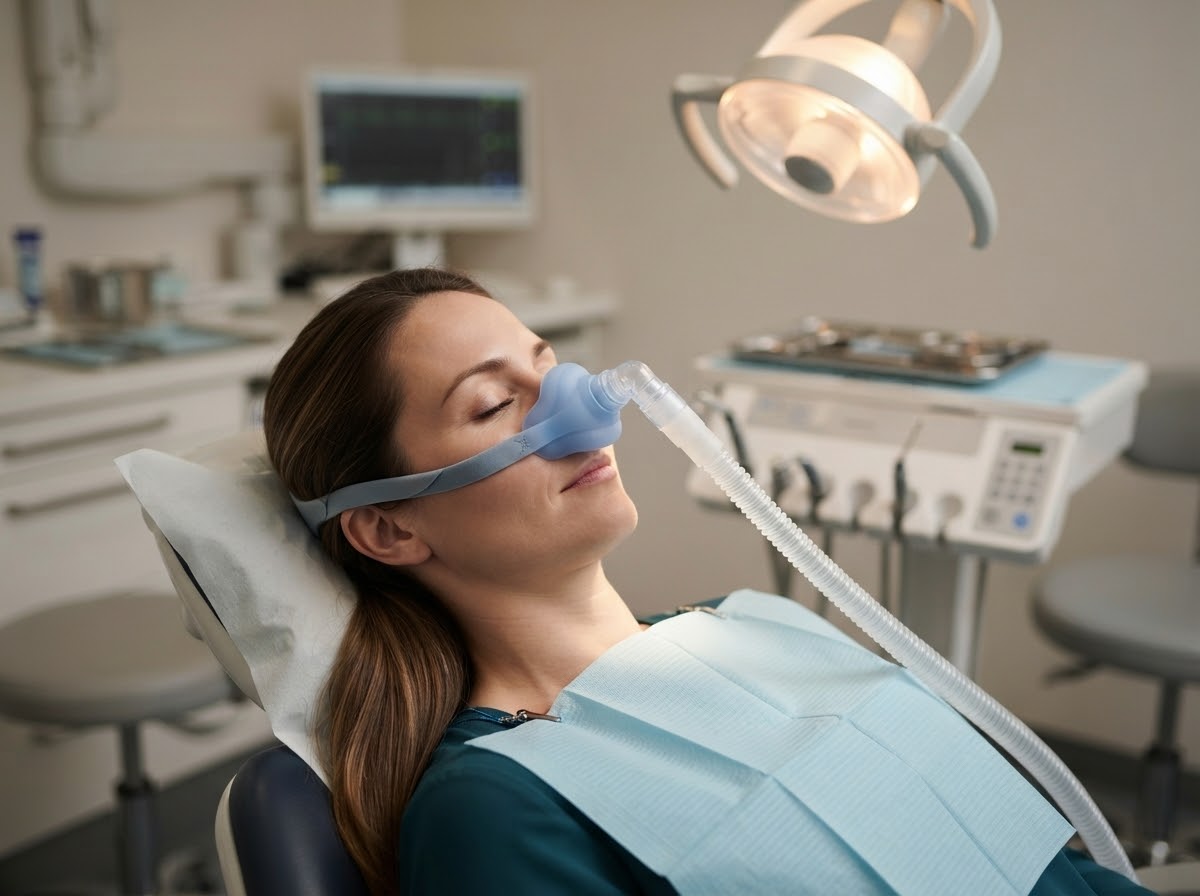
- Gentle, Stress-Free Atmosphere: We specialize in caring for anxious or nervous patients, providing gentle topical numbing techniques, relaxed communication, and a warm, welcoming environment.
- Aesthetic Excellence: Restore your confidence with options like clinical teeth whitening, clear aligner orthodontics, and custom ceramic crowns designed to match your natural smile line seamlessly. Reclaim your bite, protect your jawbone, and enjoy a smile designed to last a lifetime. Contact our friendly North Hollywood team today to schedule your comprehensive implant consultation!
Contact Information
- Practice Name: NoHo Dental Group
- Phone Number: (747) 339-7016
- Address: 11126 Chandler Blvd, North Hollywood, CA 91601
- Website: nohodentalgroup.com