
For patients missing most or all of the teeth in an arch, All-on-4 offers something conventional dentures cannot: a complete set of teeth that are fixed in place. Not a plate removed at night, not something held with adhesive, but teeth anchored to the jawbone that stay in.
It is also a significant investment, and the advertising around it can be misleading, particularly regarding what teeth in a day actually means and what a quoted price includes.
Key Factors to Understand About All-on-4 Treatment
1. The Engineering Behind the Name
All-on-4 means a complete arch of teeth supported by four titanium implants, carrying a full bridge of ten to fourteen teeth.
The insight that makes this work is angulation. The two rear implants are tilted, typically around thirty to forty-five degrees, rather than placed straight down. Tilting allows the implant to engage the denser bone toward the front of the jaw, and lets the bridge extend far enough back to provide molars, while avoiding the sinus cavity in the upper jaw and the nerve canal in the lower.
This is why All-on-4 frequently succeeds without bone grafting in patients previously told they lacked sufficient bone for implants. If you have been turned down before, it is worth being reassessed.
2. What Teeth in a Day Actually Means
In most cases a provisional fixed bridge is attached the same day as surgery, so you never go without teeth. That part is true and it matters enormously to patients.
But it is a fixed temporary, not your final teeth. The definitive prosthesis is made after three to six months of healing, once the implants have fused with the bone. Any practice implying you receive final teeth on day one is overselling.
There is a further honest caveat: immediate loading requires sufficient primary stability. In roughly one case in ten the bone proves too soft to load safely on the day, and waiting is necessary.
3. The Treatment Sequence
Consultation and 3D imaging. A CBCT scan maps bone volume, density, nerve position and sinus anatomy. You should receive a definitive plan and firm quote from this appointment.
Digital planning. Implant positions are planned virtually before you are in the chair, and a surgical guide produced from that plan.
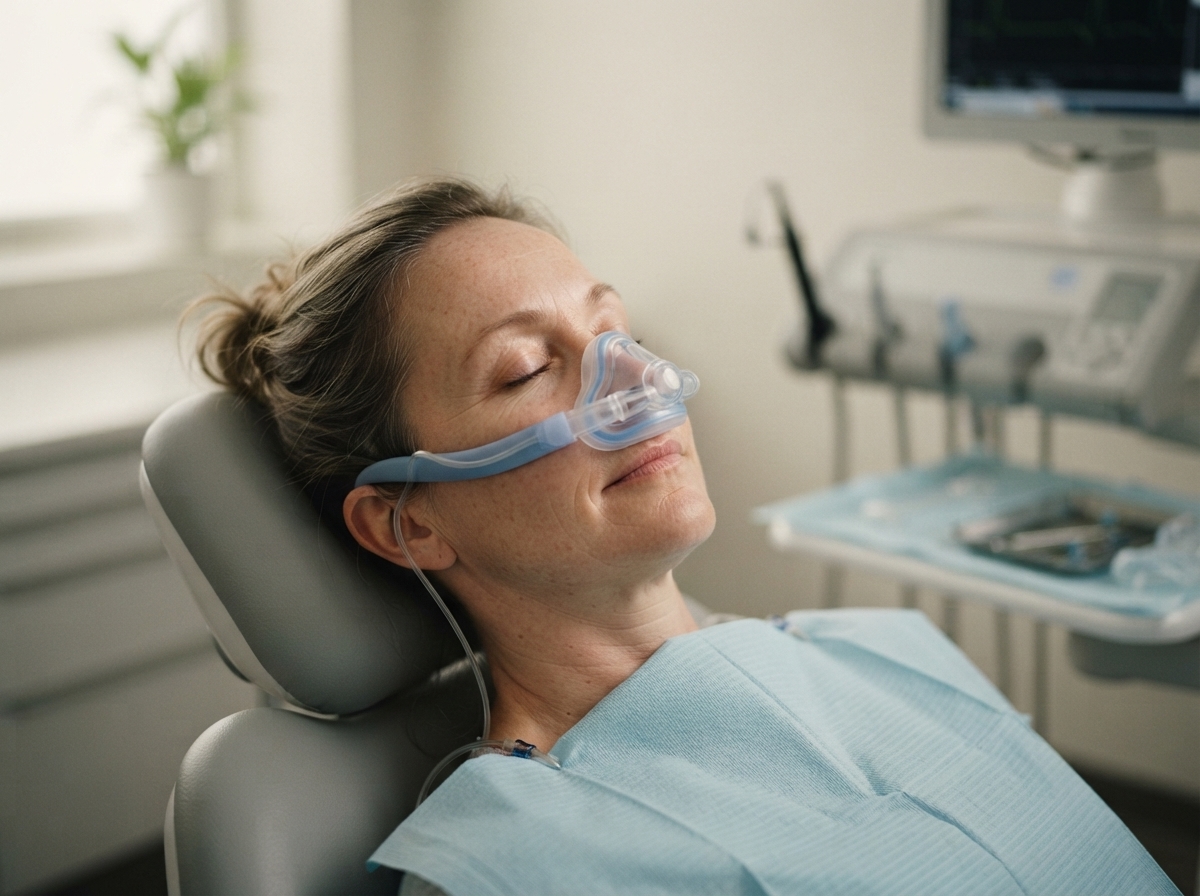
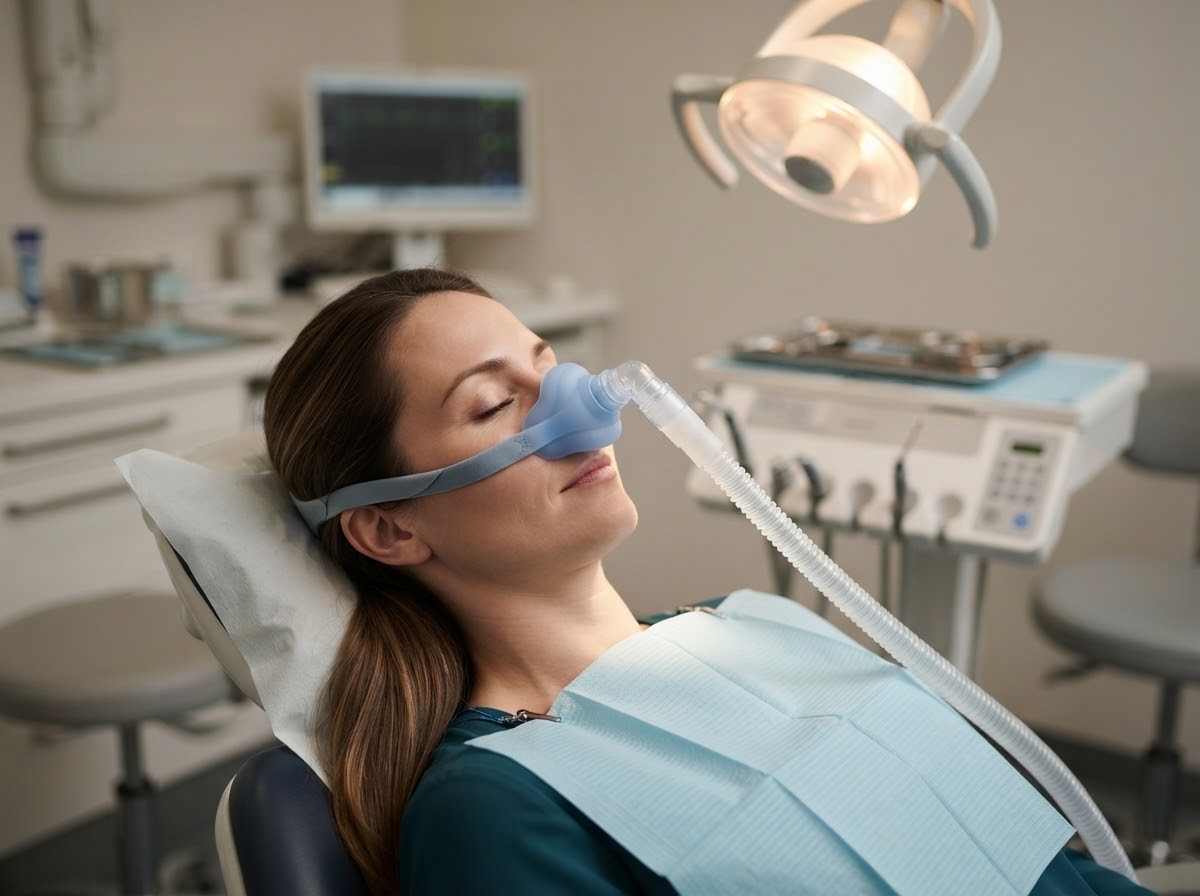
Surgery. Remaining teeth are removed, sites prepared, and four implants placed under local anesthesia with sedation. Most patients recall very little.
Healing, three to six months. The implants integrate with the bone. You wear the temporary and follow a soft-to-moderate diet.
Final prosthesis. Once integration is confirmed, final impressions are taken and your definitive bridge fitted, usually zirconia or a titanium-reinforced acrylic hybrid.
4. Understanding the Cost, and the Question to Ask
Expect $15,000 to $30,000 per arch, and $28,000 to $55,000 for both. The range is wide because the variables are real: the material of the final bridge, how many teeth need extracting, whether grafting is required, and your sedation.
A complete quote should include consultation and CBCT scan, extractions, four implants, all abutments, the surgical guide, sedation, the same-day fixed temporary, the final prosthesis, and follow-up visits through delivery.
Ask every practice whether the final prosthesis is included in the quoted price. Low advertised figures very often cover only the surgery and temporary, with the definitive bridge billed separately at several thousand dollars more.
Everyday Real-Life Scenarios: Full-Arch Decisions
Scenario A: The Patient Told They Had No Bone
A patient was declined for conventional implants years earlier because of insufficient bone height in the posterior upper jaw. A CBCT scan shows adequate bone anteriorly. By tilting the rear implants to engage that denser bone and avoid the sinus, four implants carry the arch without grafting.
Scenario B: The Quote That Was Not Complete
Another patient compares an advertised price several thousand dollars below other quotes. On questioning, that figure covers surgery and the temporary bridge only. Once totaled properly it is comparable to the alternatives. The advertised number was accurate but incomplete.
Scenario C: When an Overdenture Was the Better Fit
A third patient wants fixed teeth but has a budget well below the fixed-arch range. Rather than pushing an unaffordable plan, two implants with attachments are placed to support a snap-in overdenture at roughly a third of the cost. For their circumstances it was the better decision.
Frequently Asked Questions About All-on-4
Q1: Does the surgery hurt?
A: Not during the procedure, since it is performed under local anesthesia with sedation and most patients have no memory of it. Afterward, expect swelling and soreness peaking around forty-eight to seventy-two hours. Many patients return to desk work within three to five days.
Q2: How long do All-on-4 implants last?
A: The implants themselves frequently last decades and often a lifetime with good maintenance. The bridge on top is a wearing component: acrylic hybrids typically need significant repair or replacement at ten to fifteen years, while zirconia lasts longer. Peri-implantitis rather than mechanical failure is the most common reason implants are eventually lost.
Q3: Can I take them out to clean them?
A: No, and that is the point. The bridge is screwed onto the implants and only a dentist removes it. You clean around it daily with a water flosser and specialized floss. If being able to take your teeth out matters to you, an implant-supported overdenture is the better fit.
Q4: Will insurance cover any of it?
A: Dental insurance rarely covers a full arch outright, but many PPO plans contribute toward extractions and part of the implant cost, which is worth recovering. Financing through CareCredit is commonly used for treatment at this scale.
Why Choose NoHo Dental Group for All-on-4?
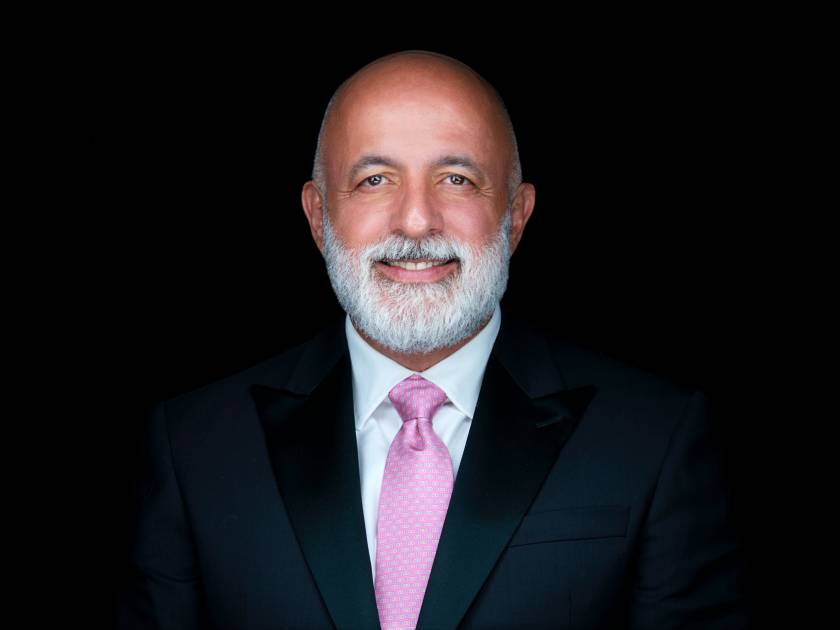
At NoHo Dental Group on Chandler Blvd, full-arch cases are handled by Dr. Bijan Afar, a board-certified periodontist and implant specialist with a DDS and Master of Science in Oral Biology from UCLA, a research fellowship at the National Institutes of Health, and nearly three decades placing implants in this community.
Why North Hollywood Patients Trust Us:
- A Periodontist Places Your Implants: Specialty training covering exactly this, the surgical placement of implants and management of the supporting bone and gum tissue.
- Surgery and Restoration Under One Roof: Extraction, placement, temporary and final prosthesis handled by one team.
- 3D-Guided Planning: CBCT imaging and a surgical guide for every full-arch case.
- Long-Term Periodontal Follow-Up: Peri-implantitis is the main long-term threat to implants, and it is precisely Dr. Afar specialty.
Contact our friendly team today to schedule your consultation.