

A persistent myth holds that orthodontics belongs to adolescence, that if you did not have braces by sixteen the window has closed. It is entirely false. Adults now represent a substantial and growing share of orthodontic patients.
Teeth move through bone throughout your entire life. That is precisely why teeth shift as you age, and it is also why they can be deliberately repositioned at forty, sixty, or beyond. The biology does not expire.
Key Factors to Consider About Adult Orthodontic Treatment
1. Why Adult Teeth Shift in the First Place
- Retainer discontinuation: by far the most common cause. Teeth straightened in adolescence drift back once retention stops.
- Natural mesial drift: teeth migrate slowly forward throughout life, gradually crowding the lower front teeth.
- Tooth loss: a missing tooth allows neighbors to tilt into the space and the opposing tooth to over-erupt.
- Periodontal bone loss: reduced support allows teeth to migrate and splay.
- Grinding and clenching: heavy forces wear and reposition teeth over decades.
Identifying the driver is part of treatment planning, because correcting alignment without addressing the cause invites the same outcome again.
2. It Is Frequently About Function, Not Just Appearance
Overlapping teeth are genuinely difficult to clean, and the areas a brush cannot reach are where decay and gum disease establish themselves. Adults with crowding frequently show localized bone loss precisely in those inaccessible spots.
An uneven bite concentrates chewing forces onto a few teeth rather than distributing them, accelerating wear, chipping and cracks. It can also contribute to jaw joint discomfort.
3. Adult Treatment Has Some Genuine Differences
Bone remodels more slowly. Adult treatment often takes somewhat longer than the equivalent case in a teenager.
Growth cannot be used. In adults, jaw relationships are fixed, so skeletal discrepancies that could be guided in a child may require surgical correction or acceptance of a compromise.
Existing dental work must be planned around. Crowns, bridges, implants and fillings all affect what is possible. An implant is fused to bone and cannot be moved orthodontically, which sometimes shapes the entire treatment sequence.
Gum health must be established first. This is the most important difference. Adults are far likelier than teenagers to have periodontal disease, and moving teeth with compromised bone support can loosen them.
4. Straightening First Often Saves Money on Cosmetic Work
Many adults consult about veneers to address crooked front teeth. Masking a poorly positioned tooth with a veneer requires cutting that tooth down considerably more to create room for the porcelain, and enamel does not grow back.
Straightening first frequently means thinner veneers, fewer of them, or occasionally none at all. Six to twelve months of aligners can save both several thousand dollars and a meaningful amount of irreplaceable tooth structure.
Everyday Real-Life Scenarios: Adults Who Made the Decision
Scenario A: The Twenty-Year Relapse
A patient in their late thirties had braces as a teenager, stopped wearing the retainer in college, and has watched their lower front teeth gradually crowd ever since. Because the teeth were once aligned and the movement required is modest, treatment finishes in roughly six months.
Scenario B: The Cosmetic Consultation That Changed Direction
Another patient books to discuss eight veneers for crooked upper front teeth. Assessment shows the teeth are healthy and unrestored, simply out of position. Aligning them over about ten months means only two teeth ultimately need any restorative work. The plan costs substantially less and preserves natural tooth structure.
Scenario C: Orthodontics as Preparation
A third patient lost a molar years ago and now wants an implant. The adjacent teeth have tilted into the gap and the opposing tooth has over-erupted, leaving insufficient space for a properly proportioned implant crown. Orthodontic treatment uprights the neighbors and creates the space before the implant is placed.
Frequently Asked Questions About Adult Orthodontics
Q1: Am I too old for orthodontic treatment?
A: No. Teeth move through bone throughout life. What matters is not your birth date but the health of your gums and the bone supporting your teeth. Patients in their sixties and seventies complete orthodontic treatment successfully.
Q2: Will treatment take longer because I am an adult?
A: Somewhat, in many cases. Adult bone remodels more slowly, so an equivalent case may take a few months longer. Case complexity remains the dominant factor.
Q3: Can I have orthodontic treatment if I have crowns, bridges, or implants?
A: Usually yes, with planning. Crowns and bridges can generally be moved, though attachments bond differently to porcelain. Implants are the genuine constraint, since they are fused to bone and cannot be moved.
Q4: Should I straighten my teeth before getting veneers?
A: Very often, yes. Masking a crooked tooth with a veneer requires removing considerably more natural tooth. Straightening first frequently means thinner veneers, fewer of them, or none. A practice that never raises this option is not giving you the full picture.
Why Choose NoHo Dental Group for Adult Orthodontics?
Adult orthodontic treatment sits at the intersection of alignment, gum health and existing restorative work. At NoHo Dental Group on Chandler Blvd, orthodontic care is led by Dr. Allen Jacobson, DDS, MDS, working alongside periodontist Dr. Bijan Afar and our restorative team.
Why North Hollywood Adults Trust Us:
- Periodontal Health Assessed First: With a periodontist on site, gum and bone health is evaluated and treated before any tooth is moved.
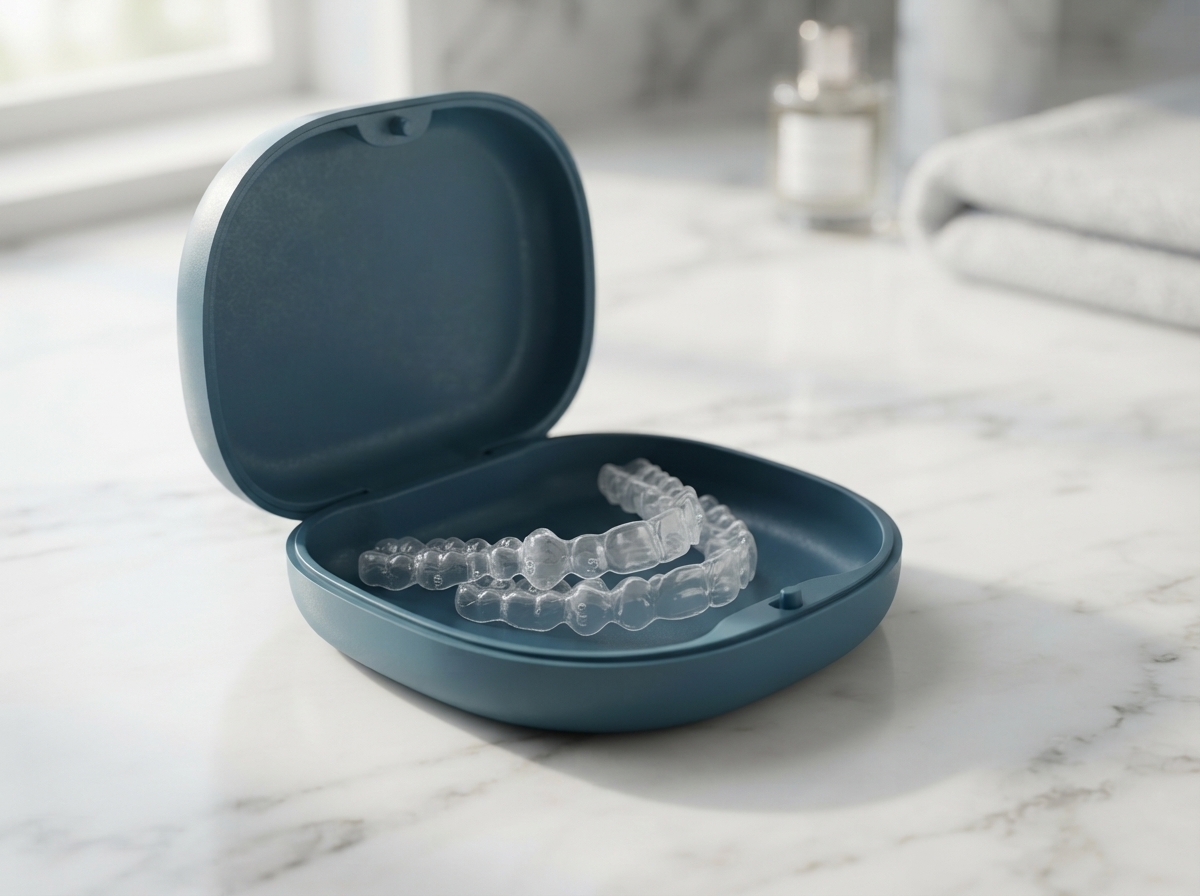
- Discreet Options: Clear aligners suit adults who would rather not advertise that they are in treatment.
- Coordinated With Restorative Plans: Where orthodontics is preparation for implants or cosmetic work, the whole sequence is planned by one team.
- Conservative Recommendations: We suggest alignment before veneers when it saves you tooth structure.
Contact our friendly team today to schedule your consultation.