As a dental implants expert practicing in North Hollywood, I often begin consultations by emphasizing how crucial long-term care is for successful tooth replacement. When patients ask what to do after surgery, I point them toward proven routines for Dental Implants that protect oral health and preserve results for decades. This introduction will guide you through everyday maintenance, professional follow-up, and practical strategies tailored for life in North Hollywood.
Dental Implants: Maintenance Essentials
Understanding the basics gives you confidence. A dental implant integrates with bone and functions like a natural tooth root, but it still requires attentive care. The surrounding gum tissue and the prosthetic crown are susceptible to plaque buildup and inflammation if neglected. Regular attention prevents peri-implantitis and other complications, protecting both your smile and your investment.
Daily care routines that make a difference
Daily maintenance is simple but must be consistent. I recommend brushing at least twice a day using a soft-bristled brush and non-abrasive toothpaste, focusing gently around the gum line where the implant meets tissue. Flossing or using interdental cleaners should be part of your evening routine to remove trapped food particles. For some patients, a water flosser helps reach the peri-implant sulcus more effectively. Rinsing with an antiseptic mouthwash can reduce bacteria, but avoid aggressive formulations that irritate soft tissues. These habits create an environment where implants can thrive for many years.
Professional care and what to expect during visits
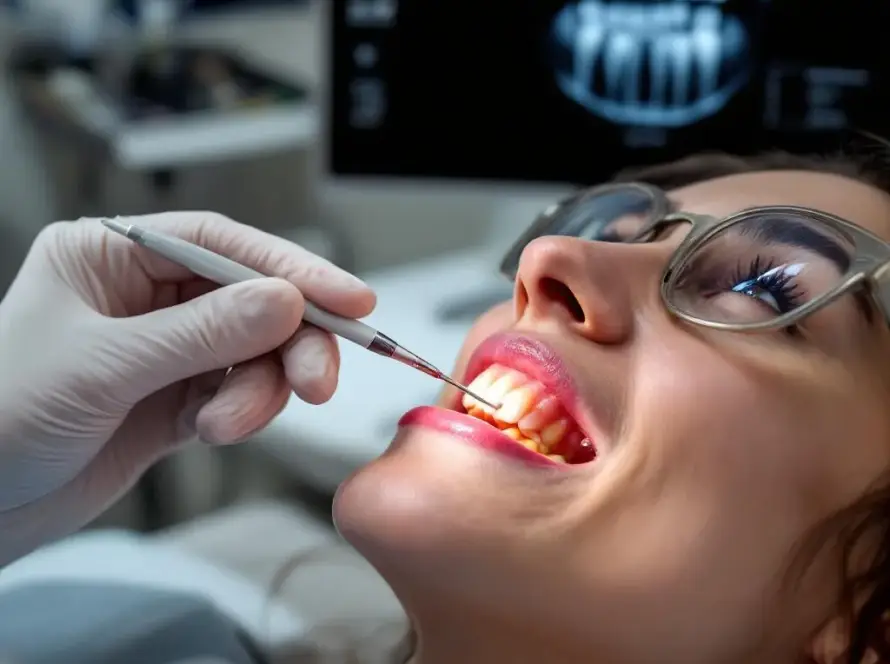
Even with excellent home care, professional maintenance is indispensable. During hygiene visits, we evaluate gum health, check the stability of the implant, and remove any stubborn deposits. Imaging may be taken periodically to monitor bone levels around the implant. If you live locally, routine appointments allow us to catch early warning signs before they become serious. I also tailor recall intervals to each patient’s risk profile — smokers or those with a history of periodontal disease may need more frequent checks.
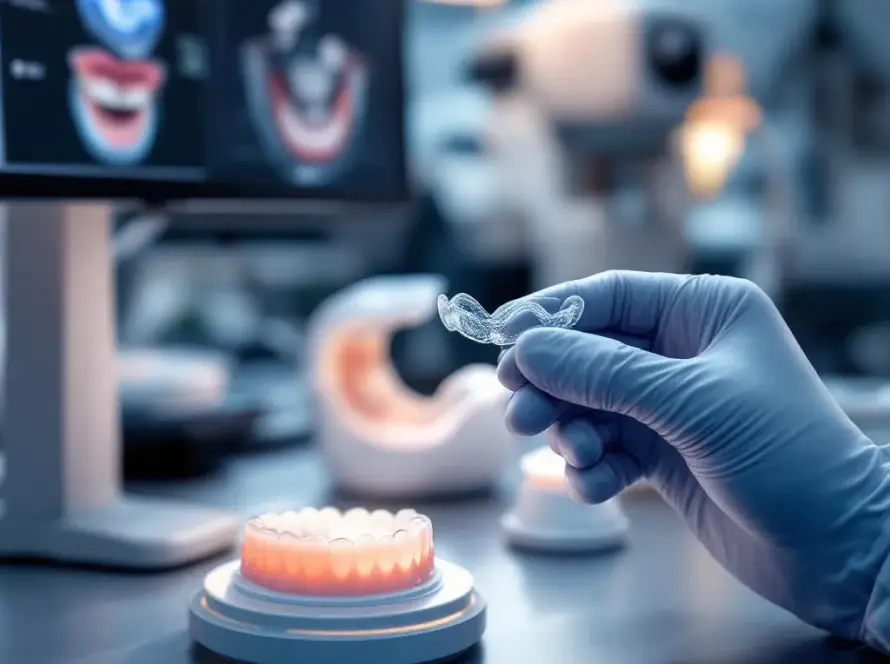
When advanced cleaning or adjustment is necessary, our team uses instruments designed for prosthetics so we don’t scratch the implant surfaces. This specialized approach differs from natural tooth care and underscores why implant maintenance should be handled by clinicians experienced with restorative work. If you are researching treatment options, consider how follow-up care will fit into your lifestyle and long-term oral health plan. For comprehensive information about treatment and follow-up, many patients begin by reviewing resources on Dental Implants to better understand what to expect.
Recognizing and managing complications
While complications are uncommon, early recognition matters. Signs like persistent redness, swelling, unusual bleeding, increased mobility of the crown, or discomfort beyond normal healing should prompt an evaluation. Often the solutions are straightforward: improved hygiene, professional cleaning, or targeted antibiotic therapy when infection is present. In more complex cases involving bone loss, regenerative procedures can restore support when performed early. My approach is to combine prevention with prompt, conservative management to avoid more invasive interventions.
Lifestyle factors that influence implant longevity
Your daily choices affect implant outcomes. Smoking, uncontrolled diabetes, and poor oral hygiene increase the risk of complications. Nighttime bruxism can place excessive force on implants and restorations; a custom nightguard can distribute pressure more evenly and protect both natural teeth and prosthetic work. Nutrition, stress management, and regular medical care all play a role in maintaining healthy bone and gum tissue. We take a holistic view of patient health because oral health is intimately linked to systemic well-being.
FAQ
How often should I schedule maintenance visits?
Most patients benefit from professional check-ups every three to six months, but frequency is personalized based on medical history, gum health, and risk factors. During these visits we assess implants, perform hygiene, and make any needed adjustments to your care plan.
Can dental implants fail after years of being stable?
Although implants have high success rates, late failures can occur, often related to infection, bone loss, or excessive mechanical stress. Lifelong maintenance and early intervention for any signs of trouble greatly reduce this risk.
Are there special tools I should use at home?
Soft toothbrushes, interdental brushes sized for the spaces around your restorations, floss designed for implants, and a water flosser are commonly recommended. Avoid metal instruments or abrasive pastes that could damage the prosthetic surfaces.
Is specialized cleaning different from regular dental hygiene?
Yes. Implant maintenance uses nonmetallic instruments and techniques that protect the implant surface while effectively removing biofilm. Our hygienists are trained in these methods to ensure your restoration is cared for properly.
Maintaining Dental Implants requires a partnership between you and your dental team. If you live in North Hollywood and want to ensure the longevity of your implants, reach out to schedule a personalized maintenance plan. Our office focuses on preventive strategies and compassionate care to keep your smile healthy and functional — learn more about ongoing care and treatment options at Dental Implants and book an appointment when you’re ready to protect your investment.
Dr. Ahdout
11126 Chandler Blvd, North Hollywood, CA 91601, United States
Phone: Find us on Google Maps