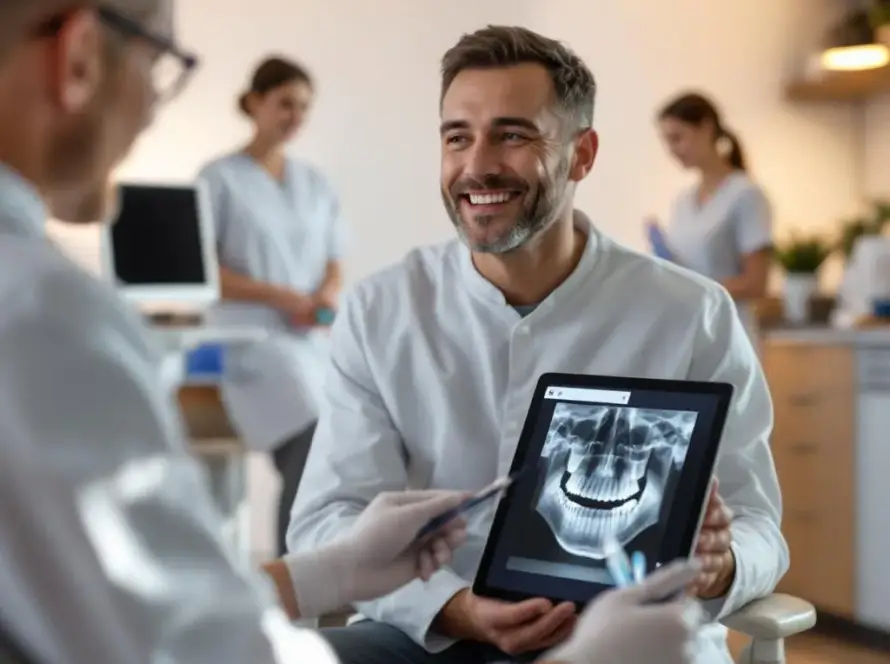
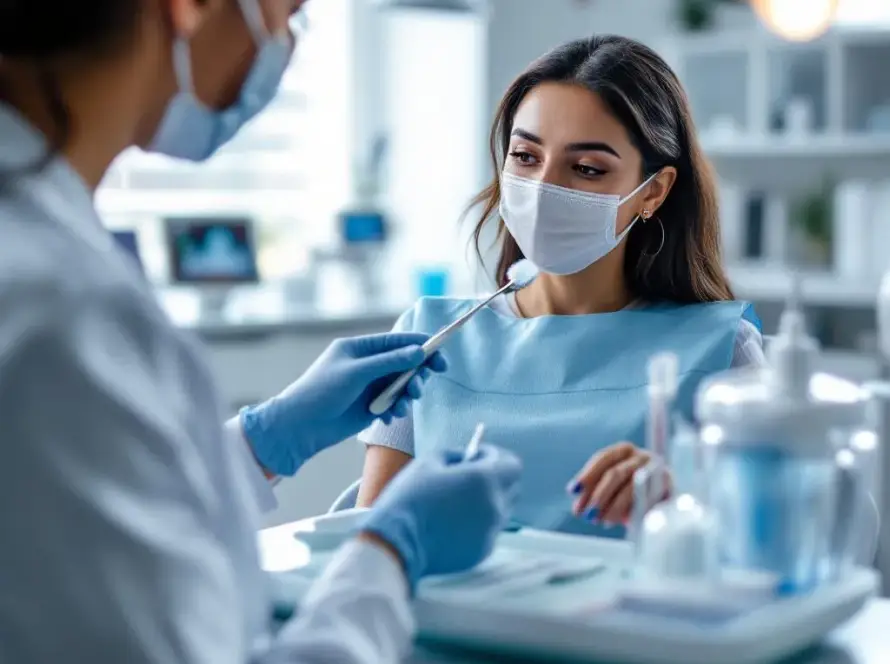
As a North Hollywood dentist who has cared for neighbors and families for years, I understand that the hours after a routine visit can shape your comfort and the long-term benefits you get from preventive care. When you leave our office feeling fresh and informed, the simple steps you take at home matter. If you recently booked or are considering a visit, our guide to Dental Cleanings & Exams explains practical aftercare that helps maintain that clean, healthy feeling.
Dental Cleanings & Exams: Gentle Aftercare in North Hollywood
After a professional cleaning and exam, it’s normal to notice sensitivity, slight gum tenderness, or a different texture as your mouth adjusts. These reactions usually fade within a day or two. I recommend soft foods for a few hours, avoiding very hot or cold beverages if you experience sensitivity, and sticking to your usual oral hygiene routine with a gentle touch. Rinsing with warm salt water can soothe inflamed areas, but vigorous swishing or harsh mouthwashes immediately after a cleaning are best avoided until any bleeding or tenderness subsides.
What to expect immediately after the appointment
Most patients return to work or school with no interruption, but it helps to plan light activities for the remainder of the day if you had deeper scaling or a more involved exam. If your gums were particularly inflamed prior to treatment, you may notice more sensitivity because removing plaque and tartar exposes the tooth roots briefly. This is a positive sign—your gums are healing. Apply a cold compress externally if swelling appears, and take over-the-counter pain relief as advised by your provider. Avoid smoking or alcohol for at least 24 hours, as these can delay healing and increase sensitivity.
Caring for your teeth and gums at home
Gentle, consistent care at home is the key to extending the benefits of a professional cleaning. Brush twice daily with a soft-bristled brush and fluoride toothpaste, using short gentle strokes where your gums meet your teeth. Floss once a day to remove debris between teeth and along the gumline. If you use interdental brushes or a water flosser, introduce them gradually after a cleaning so your gums aren’t shocked by new sensations. If your hygienist recommended a medicated rinse or a specific toothpaste for sensitivity, follow their guidance—these targeted products are often effective and safe for short-term relief.
When to expect improvement and when to call us
Improvements in gum tenderness and sensitivity usually appear within a few days to two weeks, depending on your baseline oral health. If bleeding after brushing or flossing continues beyond a week, if swelling increases, or if you develop severe pain or fever, contact our office promptly. These could be signs of an infection or an underlying condition needing attention. As your local team, we prefer a quick call to clarify symptoms and offer reassurance or an earlier follow-up if necessary.
Scheduling follow-ups and maintaining routine care
Consistency matters more than perfection. Most patients benefit from cleanings and exams every six months, though some with higher risk factors may need more frequent visits. Keeping those appointments preserves gum health and prevents small issues from becoming complex. If you’re new to the area or simply seeking a trusted practice, our approach focuses on patient education and comfortable, efficient visits. You can learn more about our services and book an appointment for Dental Cleanings & Exams directly through our website or by calling our office.
Special considerations for sensitive patients
For patients with dental anxiety, sensitive teeth, or a history of periodontal disease, we tailor aftercare plans to your needs. Desensitizing agents applied in the office, prescription-strength fluoride treatments, or temporary dietary adjustments can make recovery smoother. We also discuss strategies to minimize anxiety—like scheduling early morning appointments, using numbing gel for injections, or discussing sedation options when necessary. Open communication helps us customize a plan that helps you feel safe and supported.
Frequently Asked Questions
Q: How soon can I eat after a cleaning? A: Most people can eat immediately, but if your mouth feels numb from anesthetic or sensitive from deep cleaning, choose soft, room-temperature foods until sensation returns and tenderness decreases.
Q: Is it normal to have bleeding gums after a cleaning? A: Mild bleeding can occur if gums were inflamed before treatment. Continued bleeding beyond a week should be evaluated, so give us a call if it doesn’t improve.
Q: How long will sensitivity last? A: Sensitivity generally improves within a few days to two weeks. Using a sensitivity toothpaste and avoiding extreme temperatures will help speed recovery.
Q: Can I use mouthwash after a cleaning? A: Gentle, alcohol-free mouthwashes are usually fine, but avoid strong antiseptic rinses immediately after deep cleanings unless your clinician recommends them.
Taking a little time to follow aftercare recommendations makes a big difference in how quickly you feel back to normal and how long the benefits of a cleaning last. If you have questions about your specific condition or need personalized advice, we’re here in North Hollywood to help. Schedule your next visit for preventive care or follow-up and let us support your long-term oral health with attentive, local expertise.
If you’d like to learn more or book an appointment for Dental Cleanings & Exams, call our team or visit our site—our friendly staff will guide you through what to expect and how to prepare.
NOHO Dental Group
11126 Chandler Blvd, North Hollywood, CA 91601, United States
Phone: +1 (818) 432-8300