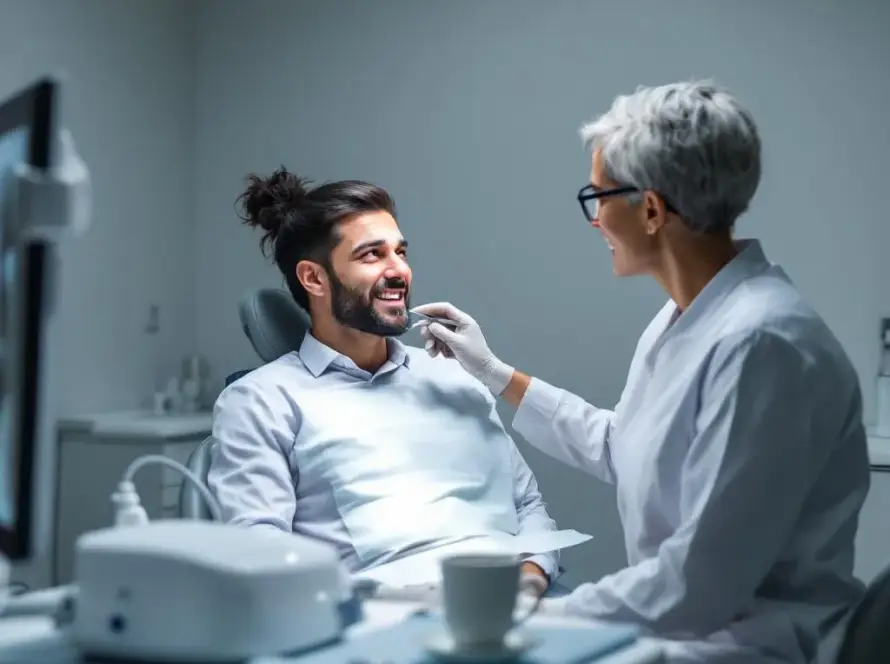
Living and working in North Hollywood means we value quick, reliable healthcare, including routine dental visits. If you’ve ever left a checkup wondering about lingering discomfort, you’re not alone. At our practice I often explain what people may feel after Dental Cleanings & Exams and why those sensations usually point to healing rather than harm.
Dental Cleanings & Exams: What to Expect
When you come in for a cleaning and exam, our goal is to remove plaque and tartar, check for cavities, and evaluate gum health. The procedures are typically straightforward, but the mouth is a sensitive environment. It’s normal to notice mild tenderness where scaling focused on stubborn buildup, and you might experience short-term sensitivity to hot or cold. Understanding what’s typical helps you distinguish routine recovery from signs that need a follow-up.
Common Issues People Notice After a Visit
Several minor complaints come up most often after a cleaning: gum tenderness, slight bleeding, tooth sensitivity, and a temporary rough or “scraped” feeling where plaque was removed. If you have crowns, veneers, or exposed root surfaces, those areas can feel different afterward because the biofilm that had been covering them is gone. This can make contact with temperature or pressure more noticeable at first, but it usually improves in a few days with gentle home care and, if appropriate, desensitizing toothpaste.
When a Reaction Could Be More Than Expected
Although most post-cleaning symptoms are mild and short-lived, there are times to be more vigilant. Severe pain, swelling, prolonged bleeding, or signs of infection such as fever and persistent throbbing are reasons to contact your dental office. People with advanced periodontal disease or an impaired immune system may also require closer monitoring after a procedure. If any discomfort doesn’t trend downward within 48 to 72 hours, a quick check can provide peace of mind and prevent complications.
Why These Issues Happen
Many of the sensations you feel after a cleaning stem from the very success of the treatment. Scaling removes hardened deposits and bacteria, and this can momentarily expose dentin or root surfaces that were previously insulated. Gentle irritation of the soft tissues can occur when debris is dislodged from periodontal pockets. Additionally, if you had a particularly thorough cleaning in areas you’ve avoided with floss or brushing, your gums may need a short recovery period as inflammation subsides.
How We Help Prevent and Manage Discomfort
At our North Hollywood office we emphasize prevention and comfort. We use techniques tailored to sensitive mouths, recommend fluoride or desensitizing varnishes for exposed areas, and walk patients through at-home steps to reduce sensitivity. Simple adjustments—using a soft-bristled brush, waiting to brush aggressively, or applying a recommended desensitizing toothpaste—often make a big difference in recovery. For those with ongoing gum disease, we discuss a maintenance plan that reduces the need for aggressive treatments over time.
For locals who want to learn more about routine care and follow-up, scheduling a conversation is easy. Our team is ready to explain tailored strategies and answer questions about recovery after procedures like Dental Cleanings & Exams, so you leave the office informed and comfortable.
Signs You Should Call Your Dentist
If bleeding continues beyond a day, if pain worsens instead of improving, or if you notice a new lump, spreading redness, or fever, those are clear reasons to reach out. We encourage patients to contact us early; prompt attention can stop an otherwise manageable issue from becoming more complicated. Even a quick phone check can reassure you or lead to an appointment if needed.
Everyday Care to Support Healing
What you do at home matters. After a cleaning, keep up with gentle brushing and flossing to prevent re-accumulation of plaque, and consider using an alcohol-free antiseptic rinse if recommended. Stay hydrated, avoid extremely hot or cold foods for a day or two if you’re sensitive, and follow any post-procedure instructions your hygienist or dentist provides. Small, consistent actions help tissues recover and reduce the chance of repeated irritation.
Is It Normal to Be Anxious About Discomfort?
Yes—many of our neighbors feel anxious about dental sensations. We prioritize communication and gradual approaches to minimize fear and discomfort. If anxiety contributes to clenching or other issues, tell your provider; we can adapt our methods and offer relaxation strategies to make your visit more comfortable.
FAQ: Is temporary bleeding normal?
Minor bleeding immediately after a cleaning can be normal, especially if gums were inflamed before treatment. If bleeding persists beyond a day or is heavy, call your dental office.
FAQ: How long does sensitivity last?
Most sensitivity fades within a few days to two weeks. Using desensitizing toothpaste and gentle oral care usually speeds recovery. If sensitivity lingers, we can evaluate for underlying issues.
FAQ: Should I avoid eating after a cleaning?
You don’t usually need to avoid eating, but choose softer, mild-temperature foods if your mouth feels tender. Avoid very hard, crunchy, or extremely hot items for a day if you’re sensitive.
FAQ: When is a follow-up appointment necessary?
If symptoms worsen, if you have systemic health issues that affect healing, or if pockets and gum inflammation persist, a follow-up helps us plan targeted care and protect your oral health.
Keeping your smile healthy in North Hollywood starts with clear information and responsive care. If you’ve had concerns after an appointment or would like a preventive plan, book an appointment for Dental Cleanings & Exams today—our team will walk you through what to expect and how to recover comfortably.
NOHO Dental Group
11126 Chandler Blvd, North Hollywood, CA 91601, United States
Phone: +1 (818) 432-8300