As a North Hollywood dental professional who has seen thousands of smiles, I always emphasize how a simple routine visit can transform oral health. If you’ve just left the office feeling refreshed, you likely had a Dental Cleanings & Exams appointment that removed plaque, assessed your gum health, and set a prevention plan in motion. Knowing how to care for your mouth in the hours and days after that visit helps you keep the momentum and protect your teeth until your next checkup.
Dental Cleanings & Exams: What to Expect
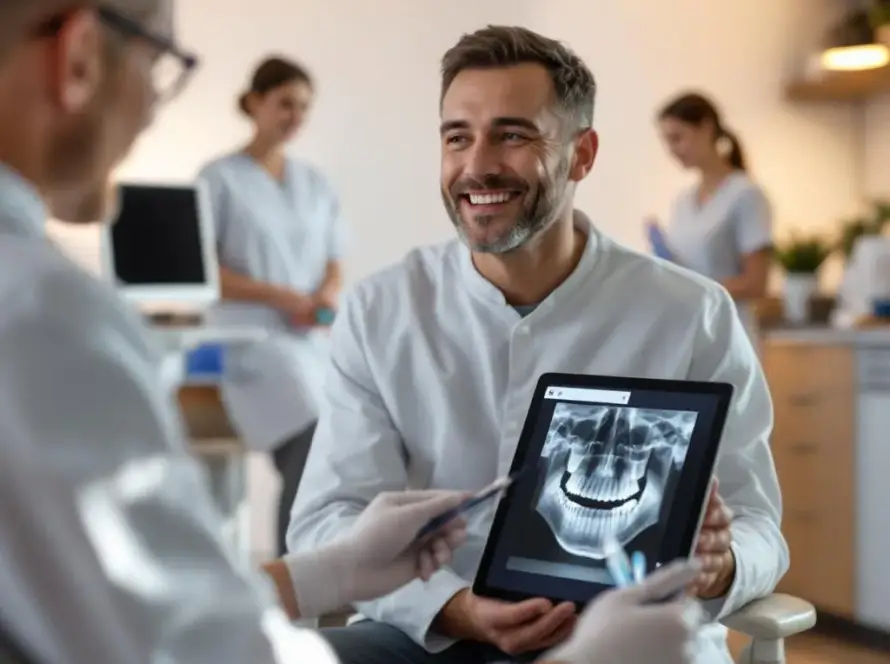
At your appointment we evaluate cavities, gum pockets, and the overall condition of your oral tissues, often combining visual inspection with X-rays or periodontal charting when necessary. The cleaning itself can include scaling to remove hardened tartar, polishing to smooth enamel, and sometimes a fluoride treatment to strengthen vulnerable areas. Most people are surprised by how much fresher their mouth feels immediately after a thorough cleaning, but it’s important to understand the normal sensations that follow and how best to respond.
Typical sensations after a professional cleaning
It’s common to notice a little sensitivity to hot or cold for a day or two, especially if scaling reached below the gumline. Slight gum tenderness or minimal bleeding can show up if you had inflammation before the cleaning. These reactions usually fade within 48 to 72 hours with gentle care. I encourage patients to avoid overly abrasive toothpaste or aggressive flossing immediately after a deep clean; instead, choose a soft-bristled toothbrush and use gentle strokes to allow tissues to calm down.
Practical post-care steps for comfort and healing
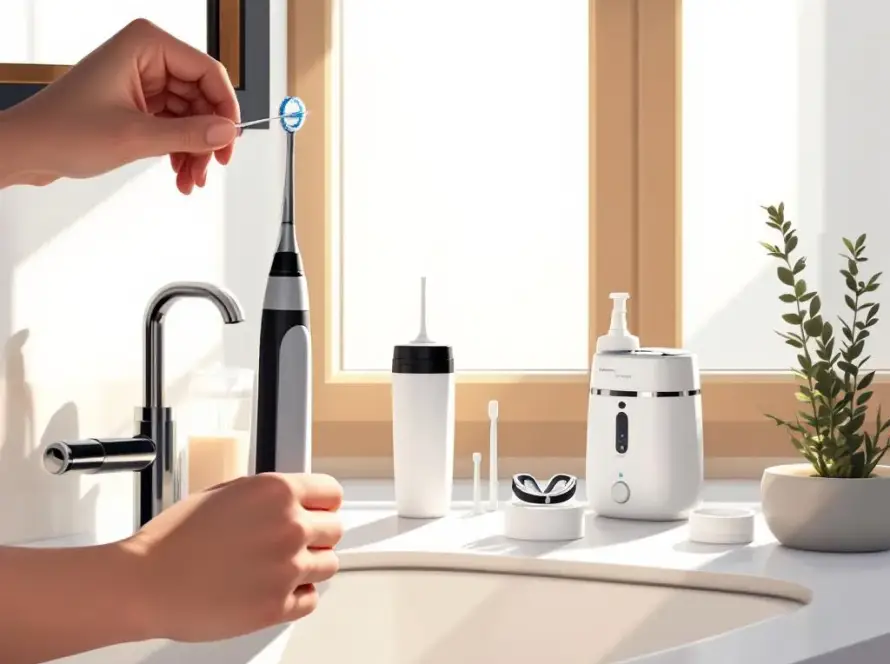
Maintain your regular oral hygiene routine but ease up on aggressive techniques for a short time. Rinse gently with warm salt water if your gums feel tender, and stick to non-spicy, non-acidic foods that won’t aggravate sensitive areas. Over-the-counter pain relievers can help with any minor discomfort, but persistent or worsening pain is a signal to contact your dental team. If you have been prescribed an antiseptic rinse or a specialized product, follow those directions closely; they are intended to reduce bacteria and promote healing.
For personalized follow-up, many patients find it reassuring to review the specific instructions given at their visit. If you’re uncertain about anything you were told, or if you notice unexpected symptoms, reach out to our clinic — we’re here to clarify and support your recovery. And when you’re planning future visits, remember that regular preventive care is the best defense against more involved treatments down the road.
If you want to revisit the basics of scheduling and what we covered during your appointment, our local resources are tailored to North Hollywood patients and can guide you through next steps. For convenience, our page on Dental Cleanings & Exams describes typical intervals and helps you understand when to come in for more frequent care if you have gum disease or other risk factors.
Managing sensitivity and special situations
Some people have naturally thin enamel or recession that exposes dentin, which can cause lingering sensitivity after a cleaning. Desensitizing toothpaste applied regularly will often reduce symptoms within a few weeks. If you are pregnant, have diabetes, or take medications that affect gum tissue, let your dental team know so we can tailor care and monitor healing more closely. For patients with bleeding disorders or on blood thinners, we coordinate with medical providers as needed to keep your treatment safe and comfortable.
When to call your dentist
Most aftercare is straightforward, but there are moments when you should contact us: if bleeding is heavy or persistent, if swelling or severe pain develops, if you develop a fever, or if you suspect an allergic reaction to any product used during your visit. In North Hollywood I’m always glad when patients call early — addressing concerns promptly usually prevents complications and restores comfort more quickly.
FAQ
Q: Will my gums always bleed after a cleaning?
A little bleeding can occur when gums are inflamed, but it typically decreases after a few days of gentle care. Persistent bleeding should be evaluated to rule out gum disease or other issues.
Q: How long does sensitivity last after a deep cleaning?
A: Sensitivity often subsides within several days to a couple of weeks. Use desensitizing toothpaste and avoid very hot or cold foods while tissues recover. If sensitivity continues, we can discuss additional treatments to protect exposed dentin.
Q: Can I eat normally after my appointment?
A: Yes, most patients can eat normally, though I recommend avoiding hard, crunchy, or very acidic foods immediately afterward if your gums are tender. Choosing softer, non-irritating foods helps comfort during the first day or two.
Q: How often should I schedule follow-up cleanings?
A: For most adults, a six-month interval works well, but patients with periodontal disease, heavy tartar buildup, or other risk factors may need more frequent visits. We tailor the schedule to your individual health needs.
Keeping your mouth healthy after a cleaning is a combination of gentle care, attention to symptoms, and consistent preventive visits. If you want guidance specific to your situation or to schedule your next appointment, our North Hollywood team is ready to help. Learn more or book directly through our appointment page for Dental Cleanings & Exams, and let us support your long-term dental health.
NOHO Dental Group
11126 Chandler Blvd, North Hollywood, CA 91601, United States
Phone: +1 (818) 432-8300