As a dentist practicing in North Hollywood, CA, I often hear patients ask how to keep their smiles healthy between appointments. The answer begins with consistent attention to Dental Services and simple daily habits that protect enamel, gums, and restorations. In this article I share practical maintenance tips, grounded in clinical experience, to help you make the most of preventive care and professional treatment.
Dental Services: Preventive Care and Maintenance
Preventive care is the cornerstone of long-term oral health. Regular brushing with a soft-bristled brush, flossing daily, and using a fluoride toothpaste create a strong foundation. But preventive care also means understanding how lifestyle factors such as diet, tobacco use, and grinding affect your teeth. When I evaluate patients, I focus not only on cavities but on early signs of wear, gum inflammation, and the condition of existing crowns, fillings, and implants. Taking a proactive approach reduces the need for complex procedures later on and preserves the function and appearance of your smile.
Routine Checkups, Professional Cleanings, and What to Expect
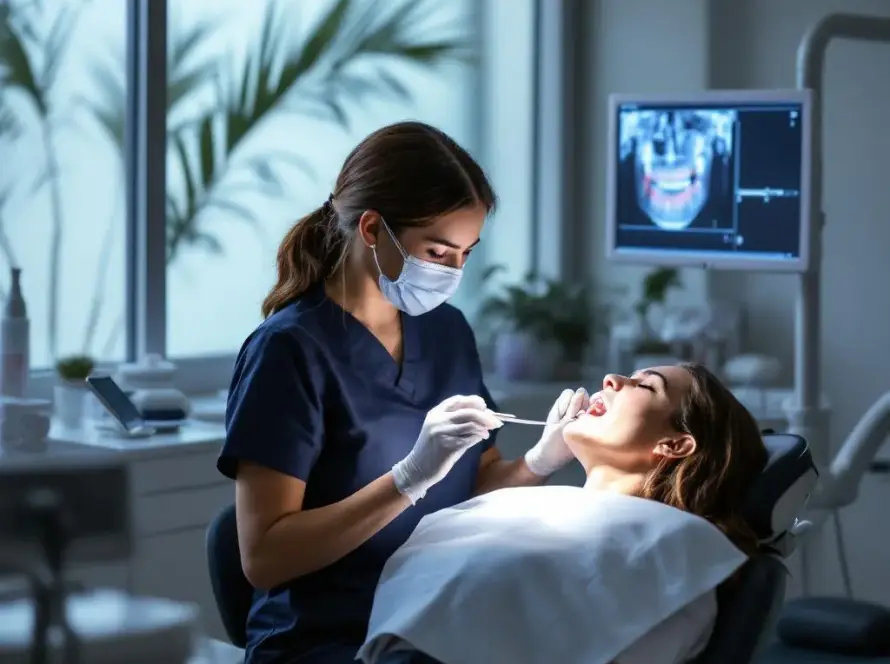
Routine visits are where many problems are caught early. During a typical appointment, we perform a thorough examination, take any necessary X-rays, and provide a professional cleaning to remove tartar in places a toothbrush can’t reach. If you have restorations, we check margins and fit, and if you use a nightguard or appliance, we assess its condition. For patients new to the area or seeking a practice focused on comprehensive care, learning about our approach to Dental Services can be reassuring and informative.
Daily At-Home Care: Techniques and Tools
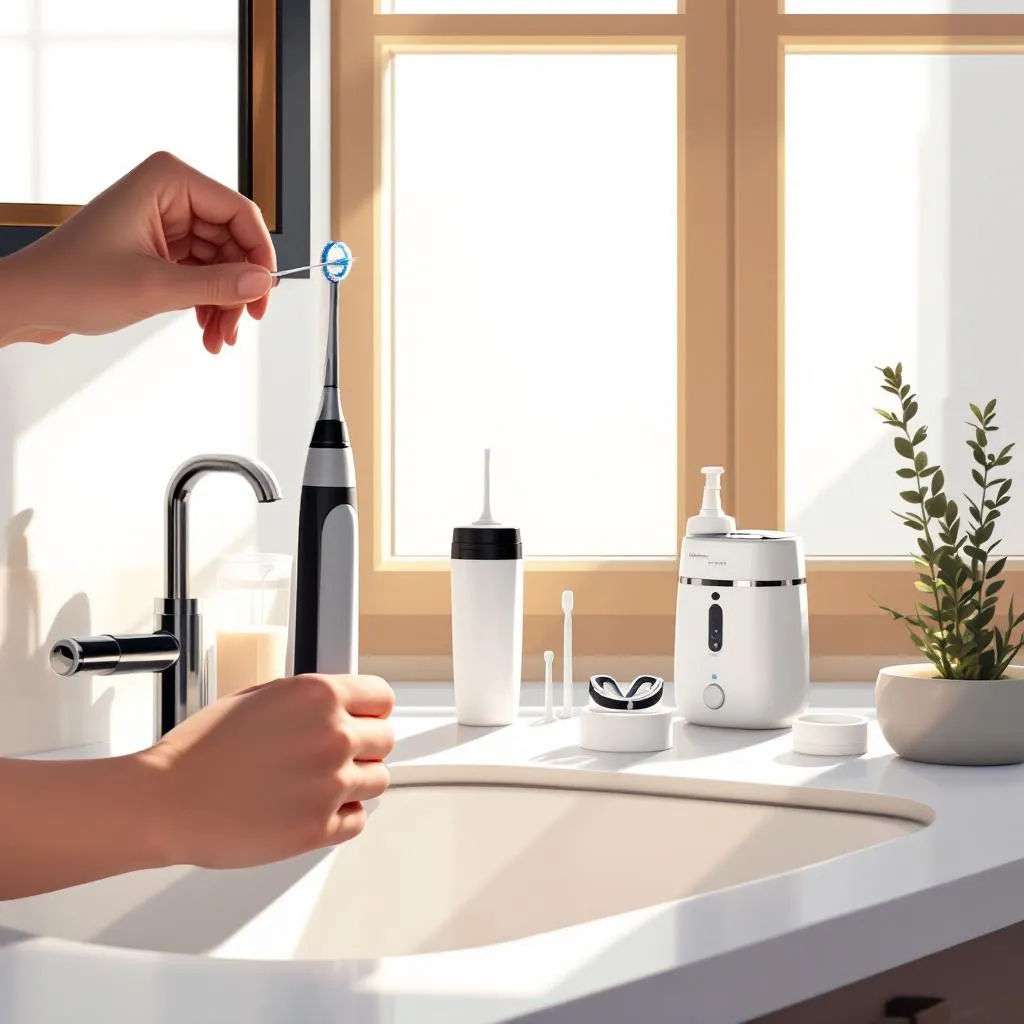
Small adjustments at home yield big benefits. I recommend using interdental brushes or floss threaders for tight contacts, and an electric toothbrush can improve plaque removal for many people. If you have sensitivity, toothpaste formulated for sensitive teeth can reduce discomfort while you address the underlying cause. For those with crowns or implants, cleaning around the restoration with special floss or a water flosser can prevent plaque accumulation and protect supporting tissues. The goal is consistent, gentle care that maintains health without causing abrasion.
Maintaining Restorations, Implants, and Appliances
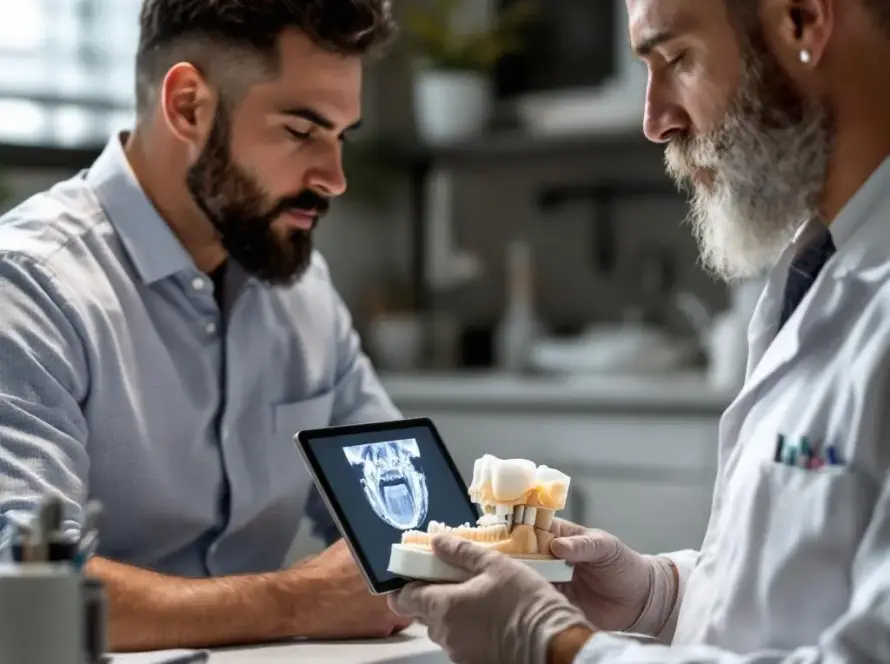
Restorations require attention to both hygiene and function. Crowns and bridges must be kept clean at the margins to prevent decay, and veneers benefit from avoiding habits that chip or stain. Dental implants are durable but rely on healthy gums and bone; regular professional maintenance is essential to monitor peri-implant tissues. If you wear an occlusal splint or retainers, keep them clean and inspect them for wear. Addressing minor issues early—such as a loose crown or a small chip—prevents more involved repairs and preserves the investment in your smile.
Handling Common Concerns: Sensitivity, Bleeding Gums, and Grinding
It’s normal to feel uncertain when new symptoms appear. Tooth sensitivity can stem from enamel loss or gum recession and often responds to desensitizing agents while we investigate the cause. Bleeding gums may indicate gingivitis, and improved home care combined with a professional cleaning usually reverses inflammation. For patients who grind, we focus on reducing stress on teeth through nightguards and behavior modification. Early intervention not only eases discomfort but prevents progression to more serious conditions.
Patient Education and Long-Term Planning
Every treatment plan should reflect your priorities, whether that’s preserving natural teeth, improving aesthetics, or managing chronic conditions. I encourage patients to ask questions and to understand the maintenance required after any procedure. Simple documentation of when appliances were placed and when restorations were completed helps guide follow-up care. Consistent communication between patient and provider is a key part of successful long-term outcomes.
Frequently Asked Questions
Q: How often should I schedule a dental checkup? A: Most patients benefit from a checkup and cleaning every six months, but individual needs may require more frequent visits based on risk factors and restorative work.
Q: Are over-the-counter whitening products safe? A: Many are safe when used as directed, but professional guidance ensures they won’t interfere with restorations or exacerbate sensitivity.
Q: What’s the best way to care for dental implants? A: Daily cleaning around the implant with appropriate tools and professional maintenance to monitor gum health are essential to implant longevity.
Q: Can I prevent gum disease at home? A: Early gum disease is often reversible with improved brushing, flossing, and a professional cleaning. Persistent issues require evaluation for deeper therapy.
Schedule Your Next Visit for Long-Term Oral Health
If you’re looking for personalized guidance on preserving your smile, our clinic offers a patient-centered approach and clear maintenance plans tailored to your needs. Whether you’re focusing on basic prevention or managing restorations, understanding how to care for your mouth between appointments makes a significant difference. Learn more about the range of care we provide at Dental Services and let us help you build a practical plan for durable oral health.
Dr. Ahdout
11126 Chandler Blvd, North Hollywood, CA 91601, United States
Phone: Find us on Google Maps