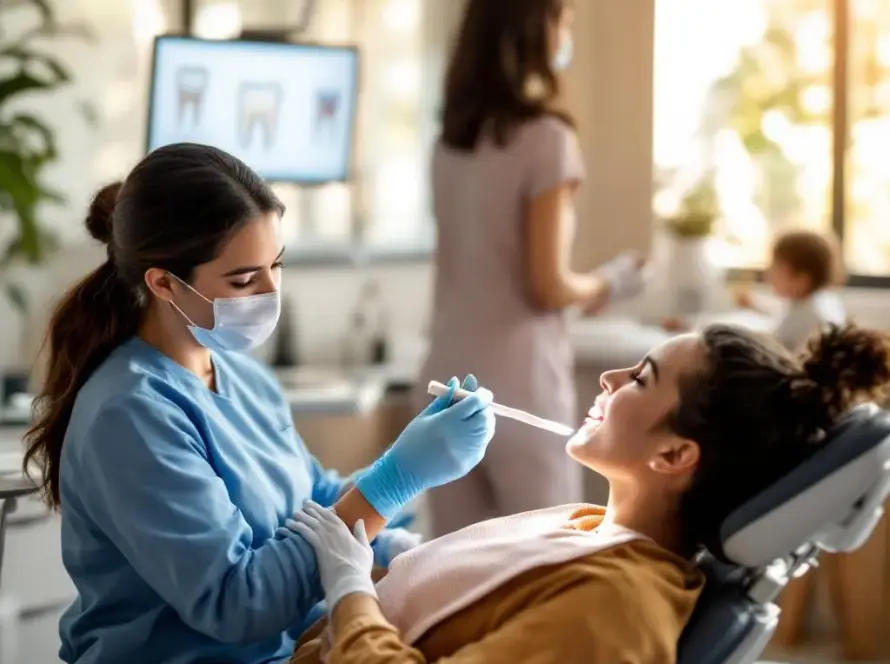
As a longtime North Hollywood clinician, I often hear patients ask what’s normal after a routine visit and when they should be concerned. If you’ve recently had Dental Cleanings & Exams, it helps to know the typical sensations and a few clear red flags. In this article I’ll walk you through common short-term effects, explain why they happen, and offer practical steps you can take at home to feel more comfortable while protecting your oral health.
Dental Cleanings & Exams: Recovery and Common Concerns
Most people leave a professional cleaning feeling refreshed, with cleaner teeth and healthier gums, but it’s also normal to experience some temporary sensitivity or tenderness. During a cleaning we remove plaque and tartar buildup, sometimes below the gumline, which can expose small areas of tooth root that were previously insulated by calculus. That exposure often leads to short-lived sensitivity to hot, cold, or sweet foods. You may also notice mild gum bleeding immediately after an exam if inflammation was present before the visit. These responses are usually a sign that the gums are healing and responding to improved cleaning rather than an indicator of a problem.
Why your mouth might feel different for a few days
There are a few predictable reasons your mouth may feel unusual after a cleaning or exam. First, the mechanical action of scalers and polishers temporarily irritates soft tissues, which can cause soreness similar to what you’d feel after a gentle scrape. Second, if work was done beneath the gumline, the body’s inflammatory response can make gums tender and slightly swollen for 24 to 72 hours. Finally, many patients notice heightened sensitivity when plaque is removed from previously insulated areas; this sensitivity usually diminishes as the tooth surface remineralizes and your gums recover. Staying hydrated, avoiding extremely hot or cold foods for a day or two, and using a toothpaste designed for sensitive teeth can make a big difference.
Common sensations and when they resolve
It’s useful to know typical timelines so you can set expectations. Mild soreness and gum tenderness commonly peak within the first 24 hours and ease over the next two to three days. Sensitivity to temperature and sweet flavors often improves within a week, though people with preexisting gum recession may notice sensitivity for a longer period. Light bleeding should stop within a day; if bleeding persists beyond 48 hours or worsens, contact your dental office. If you’re curious about what your follow-up care should look like or want to confirm that your symptoms are routine, our practice page explains the steps we take during routine visits: Dental Cleanings & Exams.
Signs that need attention
While most post-cleaning issues are minor, certain symptoms require prompt evaluation. Severe pain that doesn’t respond to over-the-counter analgesics, swelling that increases rather than subsides, persistent fever, or pus around the gums can indicate an infection or a more serious problem. Also, if you experience numbness that lasts longer than a few hours after anesthesia, or if bite alignment feels off after an exam or treatment, contact the office. Early communication helps us determine whether a brief in-office check is sufficient or whether additional treatment is needed.
How to care for your mouth after a cleaning
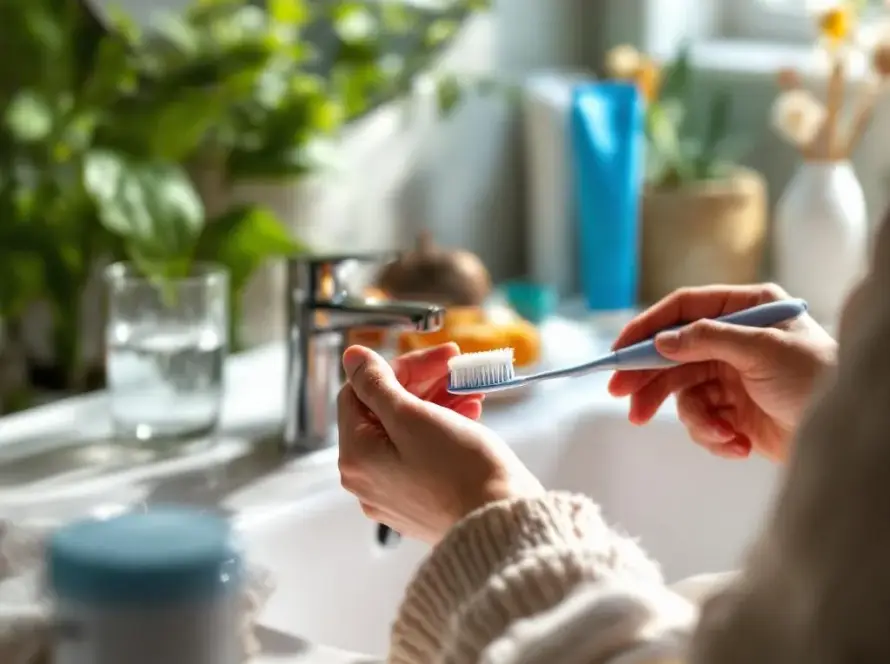
Simple self-care usually keeps recovery smooth. Use a soft-bristled toothbrush and gentle technique, and consider a desensitizing toothpaste if sensitivity is an issue. Rinsing with warm salt water can soothe tender gums, and avoiding hard or crunchy foods for a day reduces irritation. Maintain regular oral hygiene—brushing twice daily and flossing once daily—to support healing and prevent rapid re-accumulation of plaque. If you have specific concerns about healing or if you’re unsure which over-the-counter products are appropriate, a quick call to your local dentist can provide tailored guidance.
FAQ
Q: How long will sensitivity last after a cleaning? A: Sensitivity commonly improves within a few days to a week. If it persists longer, contact your dentist for evaluation.
Q: Is it normal to have some bleeding after an exam? A: Mild bleeding may occur if gums were inflamed prior to cleaning. If bleeding continues beyond 48 hours or is heavy, seek professional advice.
Q: Should I take pain medication after a cleaning? A: Most people don’t need anything stronger than acetaminophen or ibuprofen for temporary soreness. Follow label directions and consult your provider if you have medical conditions or take other medications.
Q: When should I schedule a follow-up? A: Routine follow-ups depend on your gum health and risk for decay—typically every six months for exams and cleanings, though some patients benefit from more frequent visits.
If your post-visit experience raises questions or you’d like personalized tips for recovery and prevention, we’re here to help. Our team focuses on patient comfort and long-term oral health, and we’re happy to review any concerns after your appointment. When in doubt, reach out early so small issues don’t become larger ones.
Ready to keep your smile healthy and comfortable? Learn more about how we approach prevention and patient care during Dental Cleanings & Exams and call our office to arrange a visit with a North Hollywood dental expert.
NOHO Dental Group
11126 Chandler Blvd, North Hollywood, CA 91601, United States
Phone: +1 (818) 432-8300