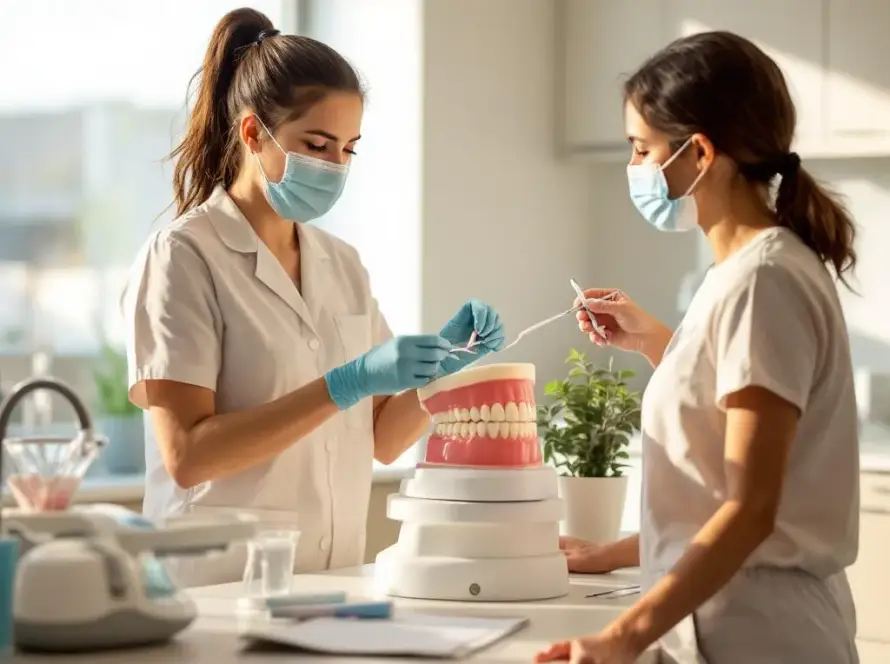
As a local dental hygienist in North Hollywood, I see many patients who leave the chair feeling refreshed but unsure about the best way to care for their mouths after a routine procedure. When you schedule Dental Cleanings & Exams, you’re investing in preventive care that pays off in comfort, confidence, and long-term oral health. In this article I’ll walk you through realistic, easy-to-follow aftercare steps tailored to our community’s needs, helping you keep that clean feeling longer and avoid common post-appointment surprises.
Why aftercare matters after a professional cleaning
Professional cleanings remove tartar and plaque that daily brushing can’t fully eliminate. That cleaning opens a window of opportunity: the mouth is cleaner and more receptive to beneficial habits. Proper aftercare reduces sensitivity, prevents bacterial rebound, and extends the effects of treatment between visits. In North Hollywood, where many of us juggle busy schedules and variable diets, these brief moments of attention to oral health can make a meaningful difference in preventing cavities and gum disease.
What to expect immediately after your appointment
Following a cleaning or exam, you might notice a temporary change in how your teeth feel—smoother, and sometimes slightly sensitive. Mild gum tenderness or light bleeding is common, particularly if pockets or inflammation were present before the visit. These sensations usually settle within 24 to 48 hours. Stay hydrated, avoid very hot or cold beverages if your teeth feel sensitive, and try to stick to softer foods for the remainder of the day if eating causes discomfort. If you received fluoride or other in-office treatments, your hygienist will give specific timing on when you can eat or rinse.
Everyday routines that protect your results
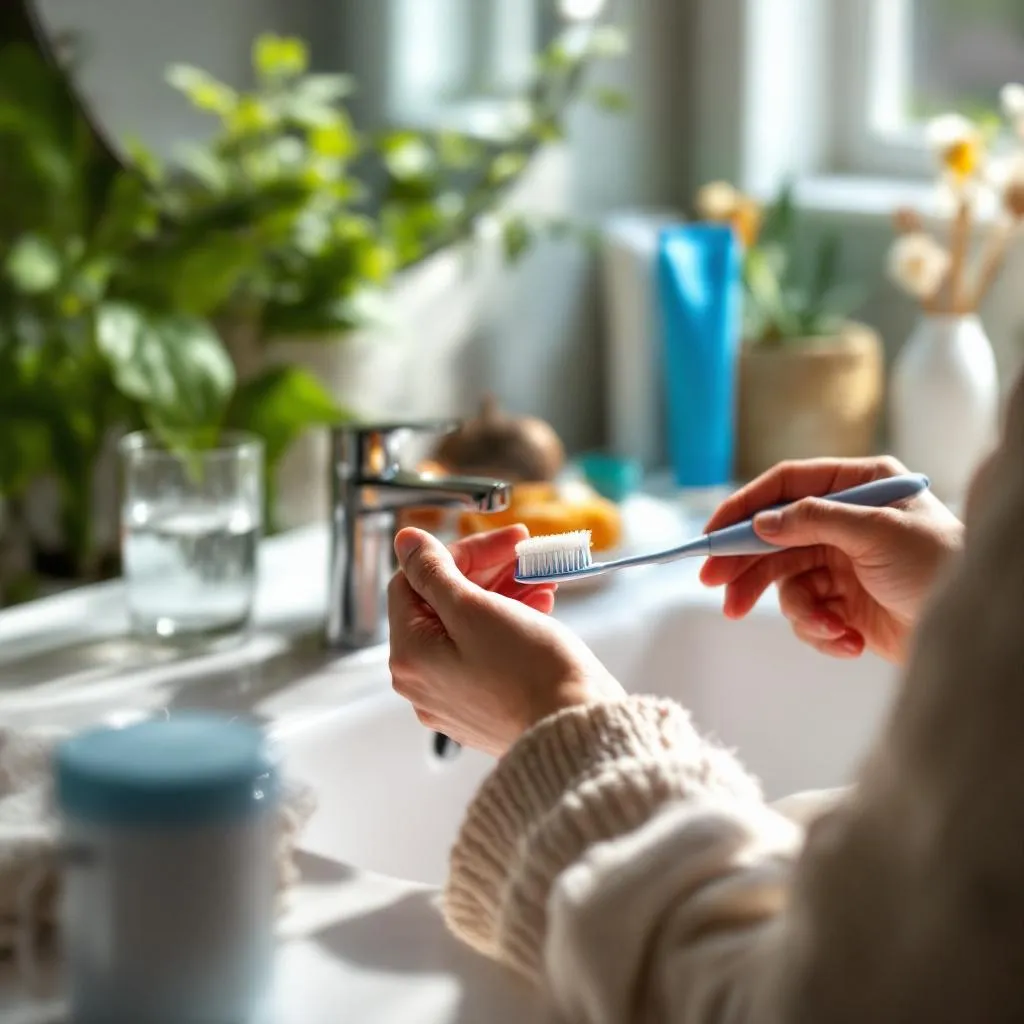
Maintaining a consistent home care routine preserves the benefits of your appointment. Gentle, thorough brushing twice daily with a soft-bristled brush and using floss or interdental cleaners once a day helps prevent plaque from reattaching. For patients who experience sensitivity after scaling, desensitizing toothpaste can provide relief within days. Mouth rinses prescribed or recommended by your clinician can also reduce bacteria without disrupting the mouth’s natural balance. Small adjustments like replacing your brush every three months and using proper technique are practical steps that yield big rewards.
When to expect tenderness and how to manage it
Tenderness is usually short-lived. Over-the-counter pain relievers and cold compresses can help with soreness related to prolonged procedures. If you experience tenderness specifically at a spot where tartar was heavy, that sensitivity often fades as gum tissue heals and reattaches slightly tighter to the tooth surface. However, if pain persists beyond a week, intensifies, or is accompanied by swelling or fever, contact our office so we can evaluate for infection or other concerns. Early assessment prevents complications and keeps your oral health on track.
Healthy habits to avoid reversing progress
Certain habits undo the benefits of a cleaning more quickly than others. Tobacco use, frequent snacking on sugary foods, and aggressive brushing can all accelerate plaque build-up or irritate gums. Instead, aim for balanced meals, limit between-meal sugary drinks, and consider routine touchpoints—like a midday mouth rinse or sugar-free gum after meals—to minimize bacterial activity. Regular recall appointments help us catch issues early; keeping those visits ensures the long-term value of each cleaning.
Scheduling follow-up and continuing care
Some patients benefit from more frequent monitoring, particularly if they have a history of gum disease, certain medical conditions, or orthodontic appliances. If you’re unsure about the ideal recall interval, we’ll personalize a plan based on your risk factors and lifestyle. For convenience, you can review our services and book appointments directly through our online page for Dental Cleanings & Exams, or call our front desk for a time that fits your routine.
FAQ
How soon after a cleaning can I eat normally?
Most patients can eat right away unless you received a specific in-office treatment. If your mouth is sensitive, choose softer foods for the rest of the day and avoid extreme temperatures. If fluoride varnish was applied, wait the recommended window—usually 30 minutes to an hour—before eating.
Will my gums always bleed after a cleaning?
Bleeding that happens only during cleaning is typically a sign of inflammation from plaque buildup. With consistent home care and regular professional cleanings, bleeding should decrease over time. Persistent or heavy bleeding warrants an evaluation because it may indicate advanced gum disease or a medical condition needing attention.
What can I do for sensitivity after scaling?
Sensitivity often resolves within a few days to a couple of weeks. Use a desensitizing toothpaste, avoid highly acidic foods, and brush gently with a soft brush. If sensitivity is severe or long-lasting, we can recommend targeted treatments during a follow-up visit.
How often should I get professional cleanings?
For most healthy adults, twice-yearly cleanings are effective. Patients with elevated risk for periodontal disease or other risk factors may benefit from more frequent visits. We tailor the plan to your oral health status and lifestyle.
Taking care of your smile after a visit is as important as the appointment itself. If you’re ready to protect your oral health with professional, compassionate care here in town, schedule your next Dental Cleanings & Exams today—we’ll help you build a sustainable plan that fits your life and keeps your smile strong.
NOHO Dental Group
11126 Chandler Blvd, North Hollywood, CA 91601, United States
Phone: +1 (818) 432-8300